M State Fergus Falls camp lets high school students explore health careers
M State Fergus Falls is opening a hands-on health careers camp for grades 10-12, linking local teens to jobs hospitals and clinics still need.
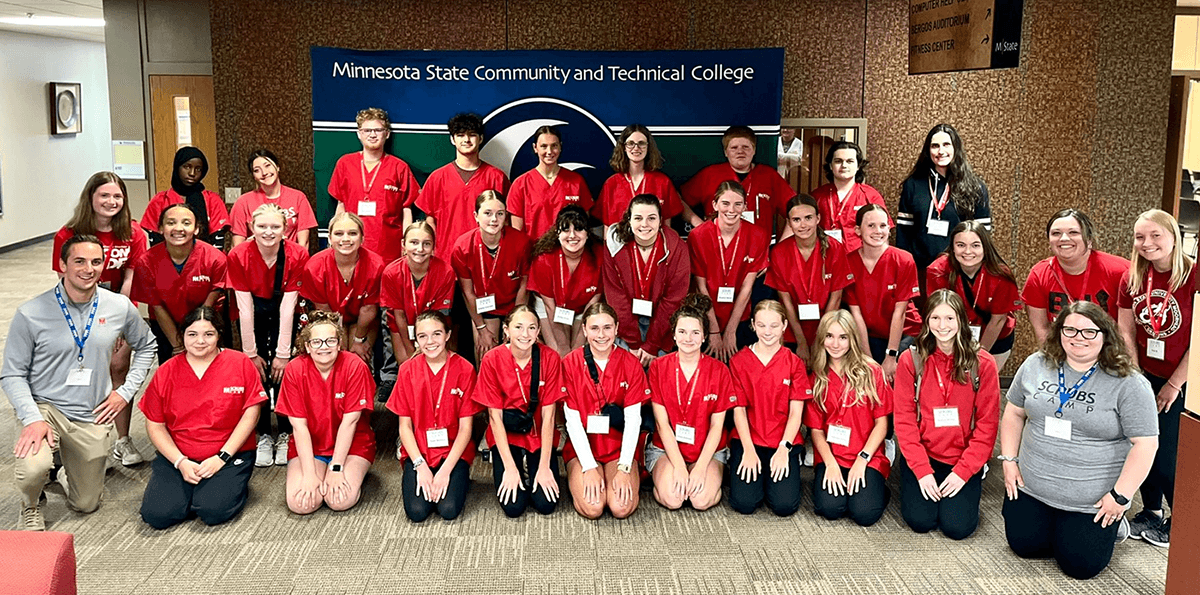
M State Fergus Falls is turning a summer camp into a workforce pipeline for Otter Tail County, giving high school students a first look at health jobs that remain in demand across rural Minnesota.
Who the camp is for
Minnesota State Community and Technical College in Fergus Falls is inviting students entering grades 10-12 to explore health careers through its summer program. Registration is open through the college website, and the camp is part of a broader Minnesota State effort to introduce teens to healthcare before they leave high school.
The timing matters for families weighing what comes after graduation. By reaching students in grades 10 through 12, the camp catches young people at the point when college plans, technical training and first job ideas are starting to harden into real choices.
What students can explore
The Fergus Falls camp is aimed at a broad set of health pathways, not just nursing. Students can explore nursing, medical lab tech, phlebotomy, surgical tech, sonography, dental, biology, chemistry, rad tech and related fields.
That mix reflects the way healthcare hiring works in smaller communities. Hospitals and clinics need nurses, but they also rely on people who can collect blood samples, run lab tests, support surgery, handle imaging equipment and move patients through the system safely and efficiently. A student who enters the field through one of those technical routes may find more direct access to a job after training, especially in a region where employers often need a steady local pipeline.
Why the camp matters in Otter Tail County
The camp is more than a chance to sample a new subject. In a place like Fergus Falls and the wider Otter Tail County area, it connects students to jobs that help keep healthcare services staffed close to home.
Rural hospitals, clinics and long-term care providers often need trained workers who can stay in the region. When students can see those careers early, they are more likely to view health work as a realistic path rather than something that only happens in a larger metro area. That is especially important in a county where medical access, senior care and staffing stability all affect daily life.
The bigger economic point is simple: a local student who trains for a health career is not just filling one job. That student may also help preserve care capacity in the community, support a local employer and avoid the need to leave Otter Tail County for work.
How the training ladder works
Minnesota North College offers a useful picture of how the health pipeline can continue after high school. Its health sciences coursework is designed to prepare students for transfer into a broad array of health sciences majors, and its Health Sciences broad-field associate degree is designed to fulfill health science baccalaureate requirements at Minnesota State system universities offering related degrees.
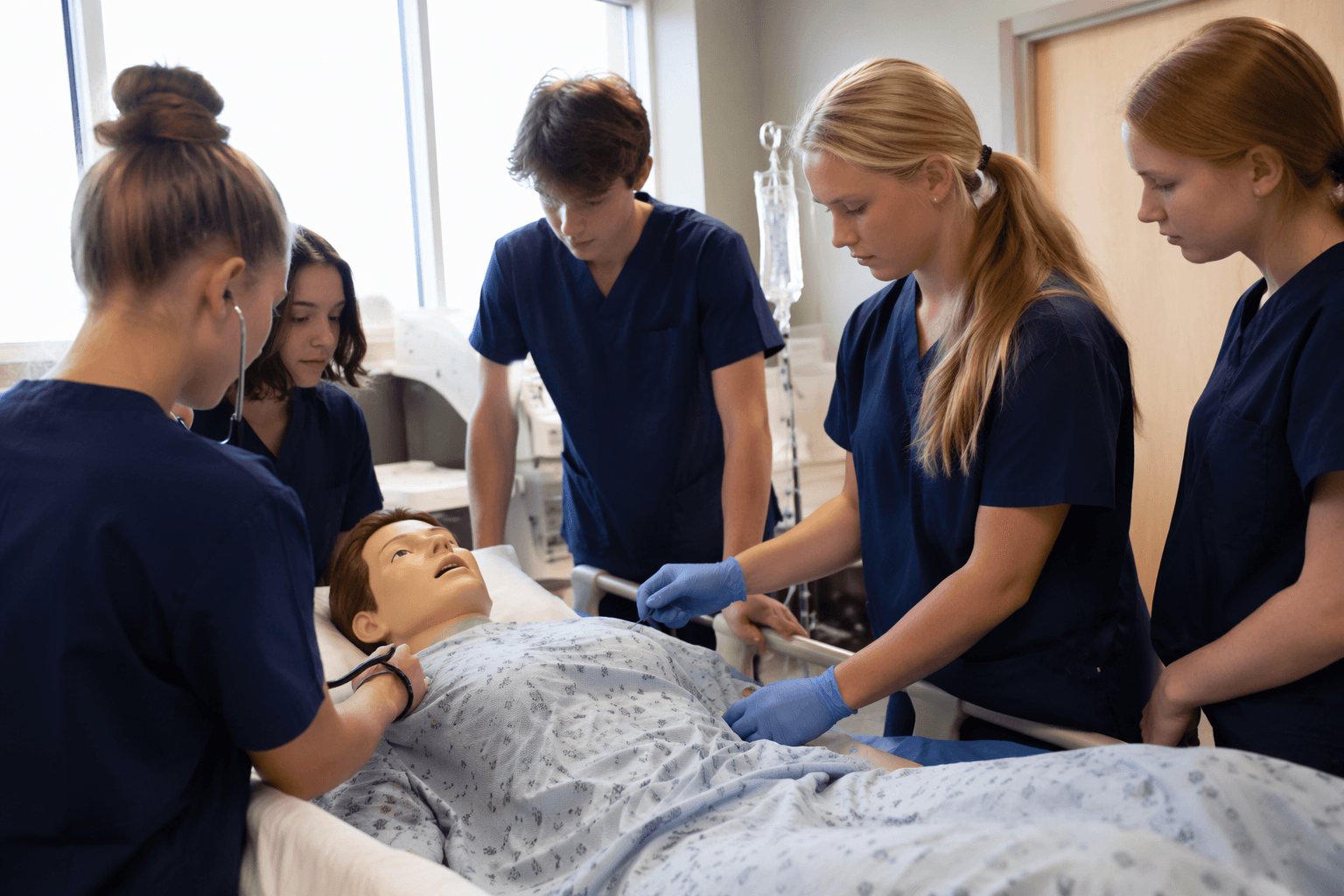
That transfer structure matters for families who want options. A student can begin with a practical, career-focused program and still leave the door open to a four-year degree later. Minnesota North College also describes its health professions program as a broad transfer track with options such as pre-physical therapy, pre-occupational therapy, pre-physician assistant and pre-pharmacy.
For students who are still deciding between direct entry into work and more school, that flexibility can be a major advantage. It creates a path that can start with hands-on training and end with a deeper credential without forcing an immediate all-or-nothing decision.
What students learn in lab-centered fields
The lab side of healthcare is one of the clearest examples of why early exposure matters. Minnesota North College says its Medical Laboratory Technology program includes a wide range of laboratory tests, including microscopic examination of blood and identification of bacteria and viruses.
Those skills are not abstract. Medical lab technicians help diagnose illnesses and guide treatment, and the program notes that the field can involve tests that help diagnose conditions such as AIDS, diabetes and cancer. For students who like science but want a practical career with direct community impact, that is a strong fit.
Minnesota North College’s nursing program also shows how training stays grounded in the real world. The college says clinical experiences are provided in community hospitals, clinics, nursing homes and other community-based healthcare agencies. That kind of training gives students a clearer picture of the daily demands of patient care and the settings where they may eventually work.
Part of a larger regional model
Fergus Falls is not operating in isolation. Minnesota North College describes its summer career experiences as free career camps for students still in high school, and nearby Minnesota State campuses are already using summer healthcare camps to expose teens to professions such as nursing, dentistry, veterinary medicine, athletic training, mental health and medical research.
Minnesota State University Moorhead’s Scrubs Camp is one of the clearest examples. It is a week-long healthcare career camp for students entering grades 9-12, scheduled for June 22-25, 2026, with a listed cost of $200 and scholarship applications open. The camp is co-sponsored by HealthForce MN, Essentia Health and M State.
That regional pattern shows a broader workforce strategy at work. Minnesota colleges are not waiting until students apply for a degree to explain healthcare careers. They are meeting teens earlier, when they can still picture themselves in the field and still make education choices that align with local labor needs.
Minnesota North College also says Perkins V supports high-quality career and technical education that meets both student and employer needs. That is the core of the Fergus Falls camp as well: give students a real look at health work now, and build a pipeline of trained graduates who can step into jobs that matter in Otter Tail County later.
This article was produced by Prism’s automated news system from verified source data, official records, and press releases, then run through automated quality and moderation checks before publishing. The system is built and supervised by the people who set the standards it runs under. Read our full AI policy.
Know something we missed? Have a correction or additional information?
Submit a Tip