New York Mills Schools Approve $500,000 in Cuts, Protecting Classroom Sizes
New York Mills school board approved more than $500,000 in cuts for 2026-27 while committing to leave classroom sizes untouched.
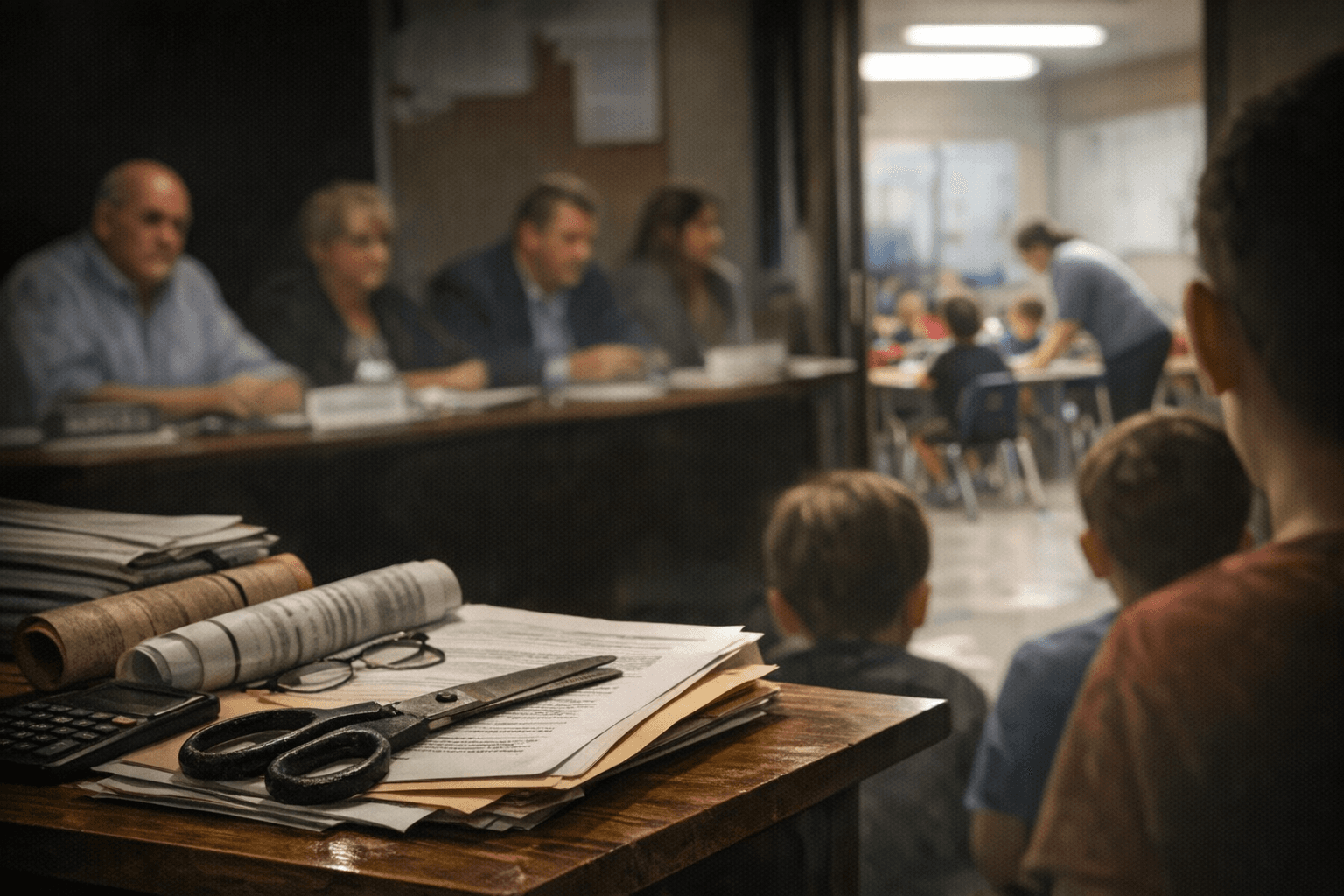
The New York Mills Public Schools Board of Education signed off on more than $500,000 in spending reductions last week, moving to close a projected fiscal shortfall for 2026-27 while pledging that classroom sizes would remain unchanged.
The board acted at its regularly scheduled March 31 meeting, approving a package of reductions that district officials framed as necessary to bring revenues and expenses into balance for the upcoming school year. The emphasis on preserving class sizes suggests the cuts are concentrated in non-instructional areas, with position freezes, program consolidations, operating efficiencies, and discretionary spending absorbing the adjustment before any teaching positions.
For a district the size of New York Mills, a gap exceeding $500,000 carries real weight. That scale of shortfall can force decisions about extracurricular programming, transportation budgets, paraprofessional staffing, curriculum purchases, and building maintenance. Even with classroom instruction protected, services families count on beyond the school day, including counseling, special education support, and activity stipends, can absorb significant pressure when a district draws a line around core teaching positions.
The full breakdown of where the reductions fall will come into view as the budget moves toward final adoption. State requirements call for public notices and hearings before the district files its completed spending plan with the Minnesota Department of Education.
New York Mills is navigating the same terrain as many Minnesota school districts this budget cycle. Enrollment shifts, inflationary operating costs, and a state funding formula that regularly leaves local boards short have combined to place structural deficits on agendas across the state. Approving more than $500,000 in reductions while holding classroom sizes steady reflects a deliberate sequencing: protect the instructional core, absorb the shortfall elsewhere, and give families reason to believe the quality of the school day remains intact.
This article was produced by Prism’s automated news system from verified source data, official records, and press releases, then run through automated quality and moderation checks before publishing. The system is built and supervised by the people who set the standards it runs under. Read our full AI policy.
Did this article answer your question?