Otter Tail County eyes road funding after Minnesota session ends
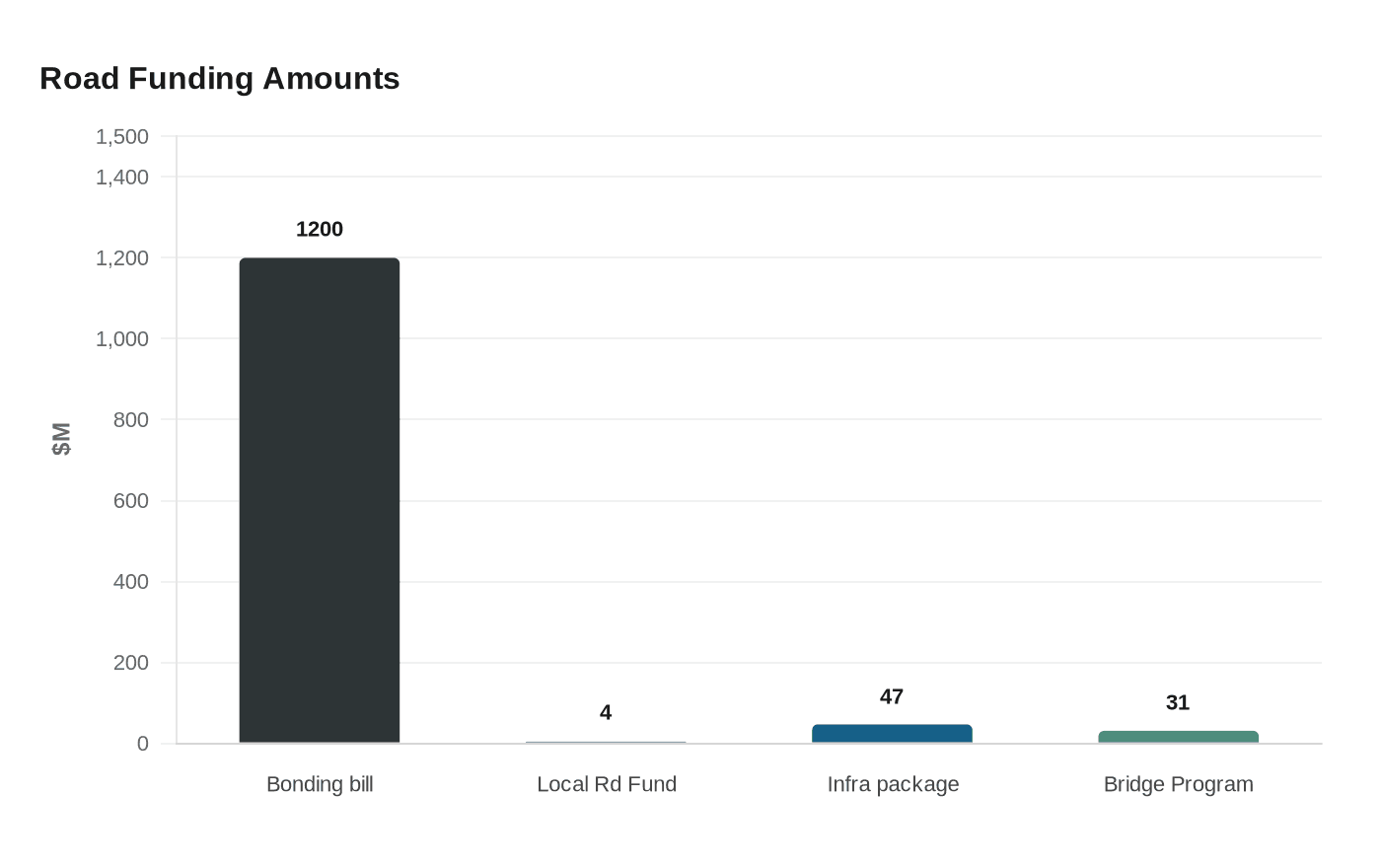
Otter Tail County is set to lean on new road aid, fee relief and IT money after lawmakers closed a 67-67 session with a $1.2 billion bonding bill.
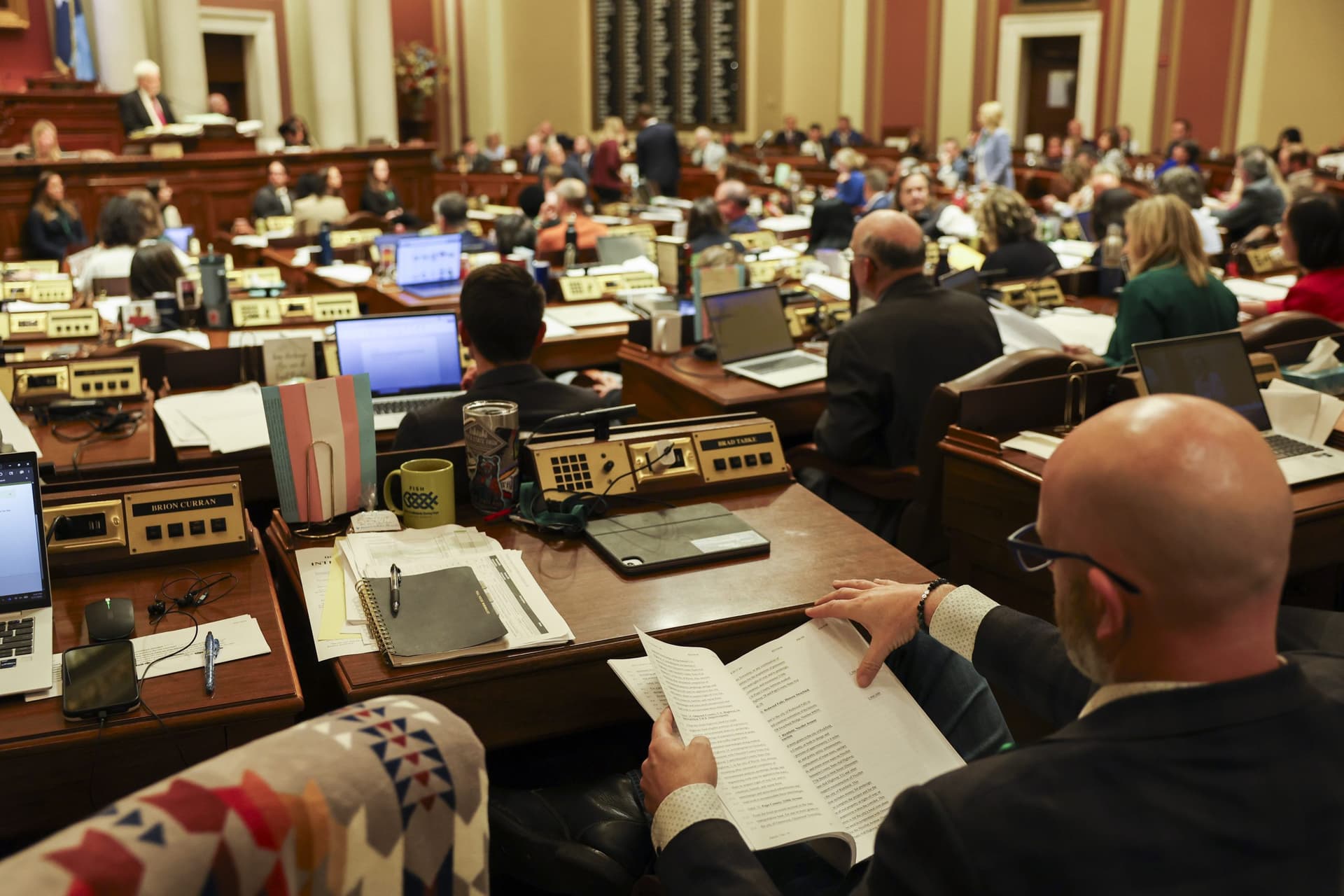
A $1.2 billion bonding bill, a temporary cut in vehicle registration fees and new county IT modernization money were among the last-minute decisions that closed Minnesota’s 2026 session, and Otter Tail County stands to feel the effects most on roads. The Legislature was scheduled to adjourn May 18 and did so late Sunday night after lawmakers pushed through final deals in a House split 67-67.
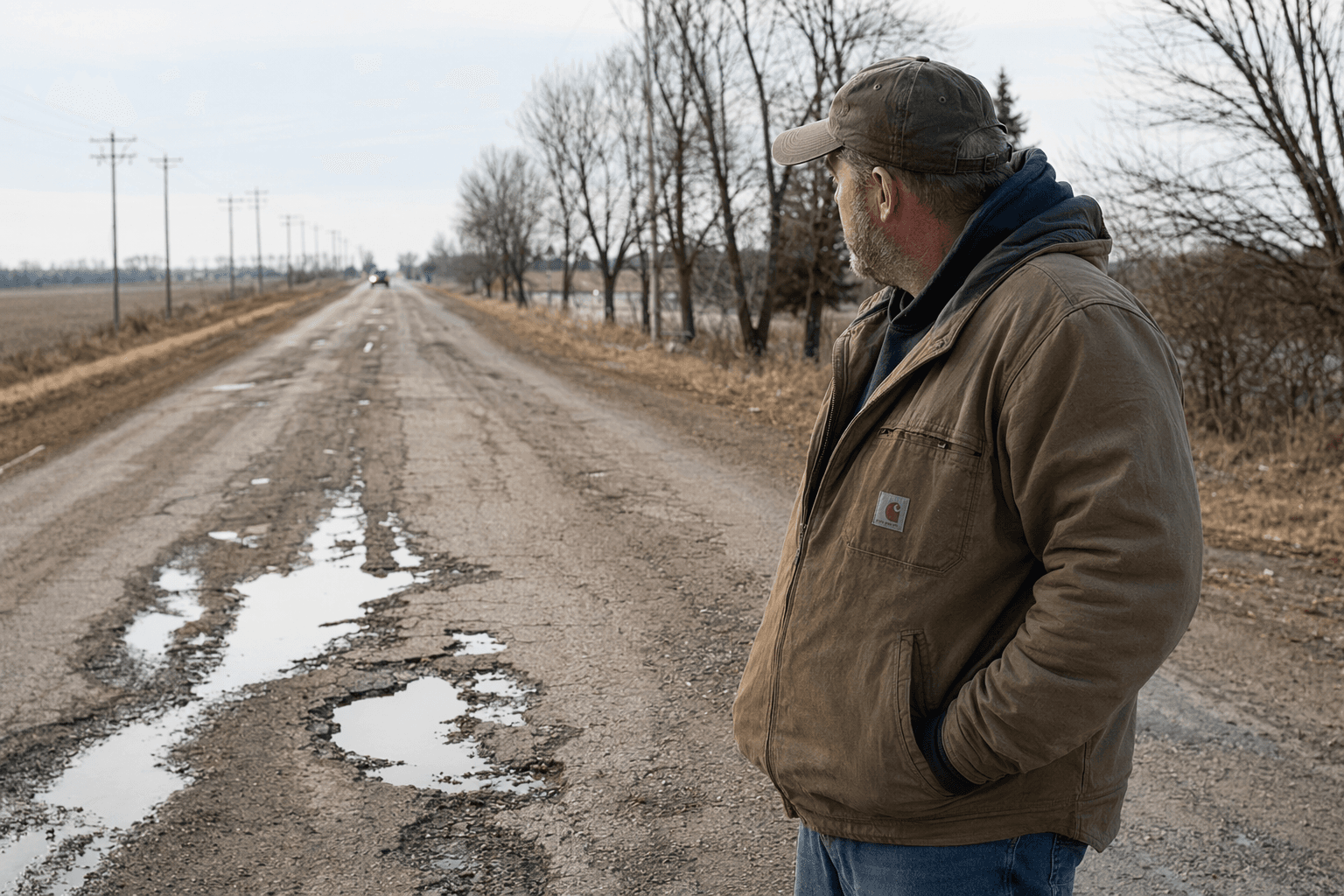
For Otter Tail County, the clearest payoff is transportation. The county manages about 1,067 miles of roadway, and county officials have been working through a 2050 Transportation Plan that centers on road, bridge, resurfacing and safety projects. In early May, the county received $4 million in Local Road Improvement Program funding, adding to a 2025 infrastructure package that directed $47 million to the program and $31 million to the Local Bridge Replacement Program.
One of the most specific projects tied to the Capitol finish is HF2612 and SF2654, which target improvements along Trunk Highway 210 between Aurdal Township and Nidaros Township. The work would rely on state bonds and still needs county board approval, but it gives Otter Tail County a concrete route for turning state capital spending into local pavement and bridge work.
Local taxpayers are already part of that financing mix. Otter Tail County began collecting a half-cent sales tax for roads in 2016 under legislative authority granted in 2008, and the county board extended that tax through 2031. The county also added a $10 vehicle tab fee for road and bridge maintenance. Against that backdrop, a temporary reduction in vehicle registration fees from Saint Paul could soften what drivers pay even as the county keeps leaning on dedicated local revenue to maintain roads and bridges.
The session’s county impact was not limited to asphalt. Lawmakers also included county IT modernization funding in the final package, a priority for local governments that still rely on outdated systems and face more manual work and higher fraud risk when software lags. For a county like Otter Tail, where staff and budgets are stretched across a wide rural geography, those modernization dollars could matter as much as a road patch on a township highway.
The broader session ended with divided-government compromises that left many major issues until the deadline, but Otter Tail County now has a clearer picture of what can move first: road projects, bridge work, fee relief and the county systems needed to keep local government functioning.
Know something we missed? Have a correction or additional information?
Submit a Tip