Otter Tail County's celebrity roots run deeper than American Idol
Chris Tungseth's American Idol run put Fergus Falls back on the map, but Otter Tail County's celebrity story starts with B. M. Bower and the archives that still keep it.

The American Idol moment is only the latest chapter
Fergus Falls is celebrating singer Chris Tungseth after his American Idol run ended on May 4, 2026, with a top-three finish that Perham Focus said was a first for Minnesota. Karen Tolkkinen wrote in a May 14 Star Tribune column that Saturday's community celebration in Fergus Falls should not be mistaken for a first brush with fame. The larger story in Otter Tail County is not that one singer broke through, but that the county has been producing recognizable names, public memory, and cultural pride for generations.
That matters because celebrity here is not just a feel-good headline. It is a test of place, of whether the county’s institutions, habits, and stories still create openings for local kids, or whether the memory of past success has become a polished form of nostalgia. Otter Tail County has a long record worth measuring against the present moment, and the record begins well before network television.
A county organized long before the cameras arrived
Otter Tail County was officially established on September 12, 1868, when commissioners held their first official meeting in Clitherall. County history says Native Americans used the area for hunting and fishing before European settlement, and it notes that two Native American tribes were in constant conflict in the area. That deeper history is essential, because it places the county’s public identity on land with a far older human story than any modern celebrity cycle.
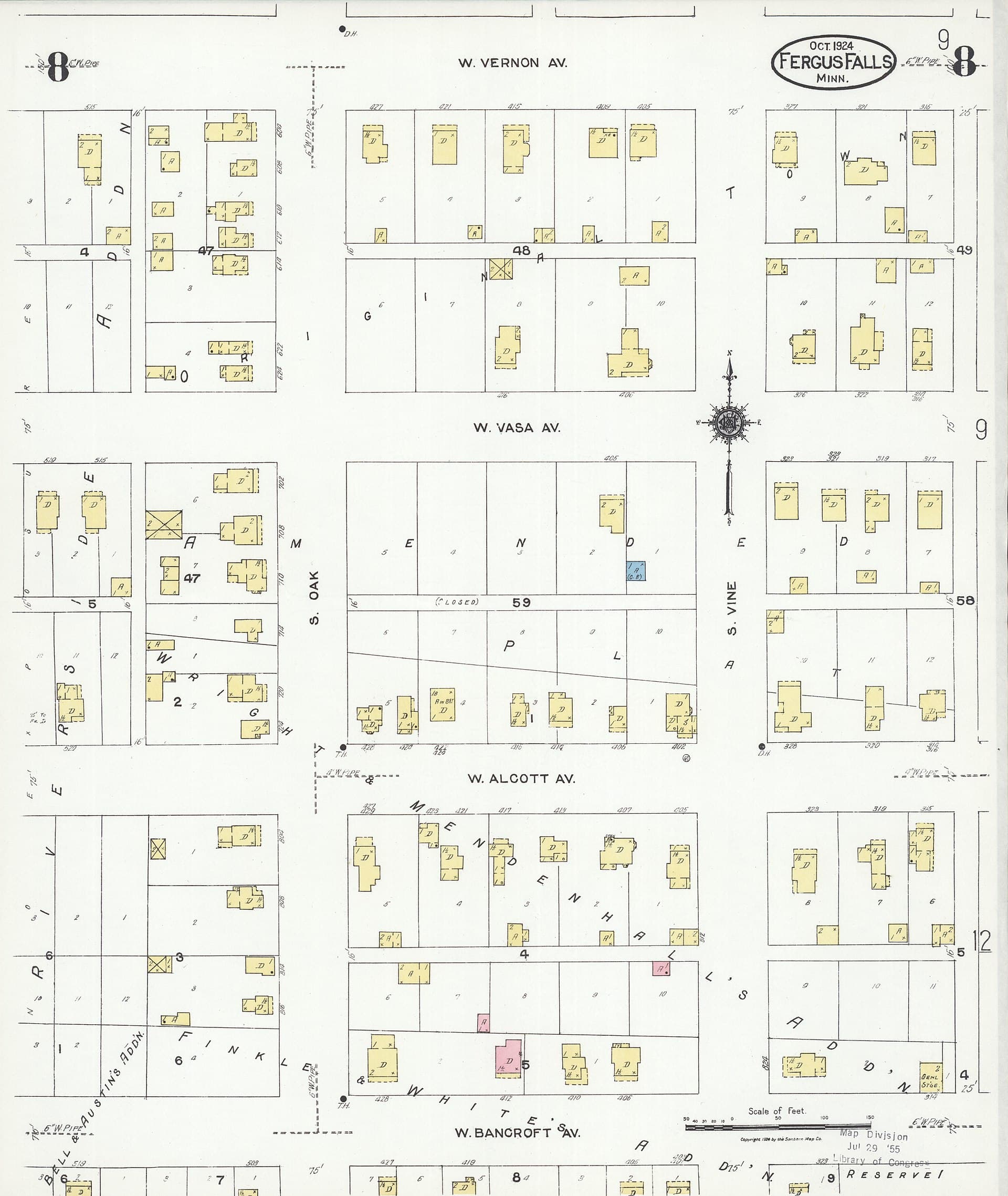
The county government describes Otter Tail as a west-central Minnesota county with more than 1,000 lakes and two state parks, Glendalough and Maplewood. Its landscape, according to county history pages, was shaped by the Otter Tail River and by the forces that drove late-1800s development: railroads, lumber, and agriculture. Most towns grew along railroad lines, which means the county’s settlement pattern was built by transportation and industry as much as by geography.
That mix of natural abundance and economic change helps explain why Otter Tail County has always produced a strong public identity. Places that are tied together by lakes, rail corridors, farms, and small-town civic life tend to build their own storytellers, archivists, and local legends. Tungseth’s current spotlight fits into that pattern rather than standing outside it.
The institutions that preserve the record
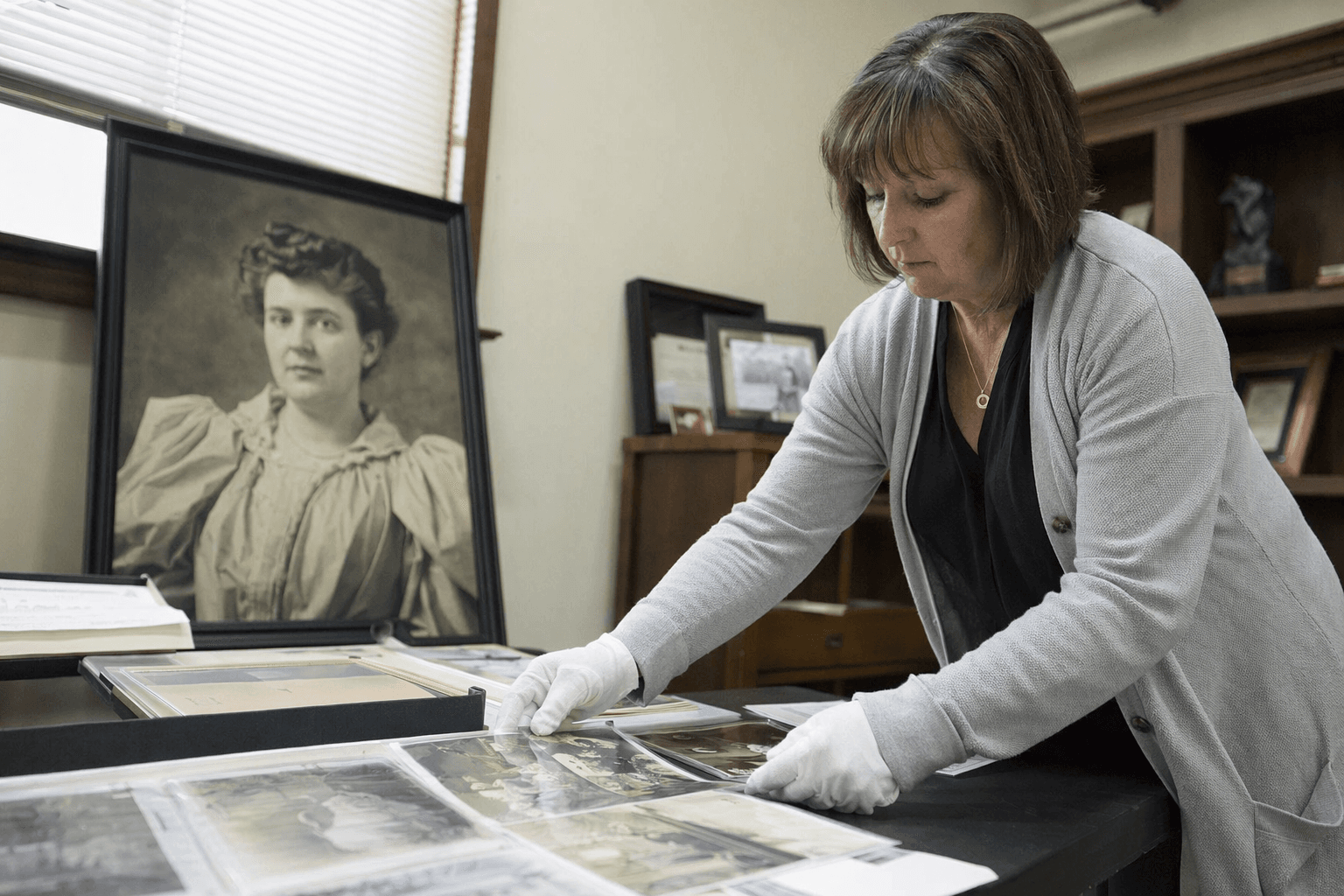
The Otter Tail County Historical Society says it preserves county history through a museum, research library, and educational resource facility in Fergus Falls. The Minnesota Digital Library says the society has contributed more than 130 images documenting early county development, a visual record of what Otter Tail looked like as communities formed, businesses opened, and everyday life took shape. That kind of preservation is not ornamental. It is how a county keeps a memory large enough to hold more than one famous name.

The History Museum of East Otter Tail County adds another layer of context. Its exhibits cover Native American history, immigration, agriculture, and recreation from the late 1800s and early 1900s, which broadens the county’s story beyond entertainment and into the social and economic forces that built it. Taken together, these institutions show a county that has spent real effort documenting itself, not just celebrating itself.
That work matters now because celebrity moments can vanish quickly. Archives, exhibits, and local historical collections make it harder for a community to flatten its past into one simple narrative. They also show the difference between applause and legacy. A singer can draw attention for a season, but the institutions decide whether the county keeps a deeper record of who it has been and how it changed.
B. M. Bower shows the pattern is older than television
Otter Tail County’s earlier celebrity history reaches back to B. M. Bower, born Bertha Muzzy in 1871. The western writer’s life is a reminder that rural Minnesota has long produced figures who later reached far beyond county lines. Her name belongs in the same conversation as Tungseth because both reflect the same underlying reality: a place with a strong local identity can still send people into national view.
That is why Tolkkinen’s argument lands beyond the moment. Otter Tail County did not wait for American Idol to discover that it had cultural export value. The county had already produced a writer whose work traveled, an archive that preserves early photographs, and museums that tell a story of Native life, immigration, farming, and recreation. The current wave of attention simply gives residents another chance to ask what kind of pipeline still exists today.
What the legacy means now
The accountable question is not whether Otter Tail County can produce another famous name. It already has. The question is whether the county’s institutions, from the historical society to the museum network to the public memory preserved in county history pages, still translate that legacy into real opportunity for the next generation.
That means the story of Fergus Falls and Perham is bigger than a TV finale. It includes the rail towns built in the late 1800s, the lakes and parks that shape daily life, the record keepers who saved more than 130 images, and the writers and singers who put Otter Tail County on a broader map. The celebrity moment is real, but the deeper measure of the county is whether it keeps building the conditions that make such moments possible in the first place.
This article was produced by Prism’s automated news system from verified source data, official records, and press releases, then run through automated quality and moderation checks before publishing. The system is built and supervised by the people who set the standards it runs under. Read our full AI policy.
Did this article answer your question?