Pelican Rapids seeks state grants for airport runway upgrades
Pelican Rapids is seeking three state airport grants to keep Lyon Field lit and maintained as 14 based aircraft rely on its lone turf runway.

Pelican Rapids is asking MnDOT Aeronautics for three airport capital grants to cover maintenance and enhanced parking lot lighting at Lyon Field, the city-owned airport that serves general aviation needs in Otter Tail County. The request was announced at the Pelican Rapids City Council meeting on May 12, putting a small but costly piece of public infrastructure back in front of state aviation officials.
The grants would come through MnDOT Aeronautics’ Airport Capital Grant Program, which is funded by the State Airports Fund and supports eligible projects at Minnesota’s 132 publicly funded airports. Each project must be submitted separately so it can be scored on its own, and the state’s capital improvement program is updated every year from airport sponsor project lists before being prioritized statewide for state and federal funding. Eligible work can include paving, lighting, navigational aids, obstruction removal, fencing, noise mitigation and other safety or operational needs.
For Pelican Rapids, the stakes are tied to a modest airport that still matters to the people who use it. Lyon Field, identified by the FAA as 47Y, is served by one turf runway. The airport master plan said it had 14 based single-engine aircraft, a small fleet that reflects the airport’s role as a local general aviation facility rather than a busy commercial hub. In that setting, lighting and routine maintenance are not cosmetic projects. They are the kind of investments that keep the airfield usable, visible and in service.
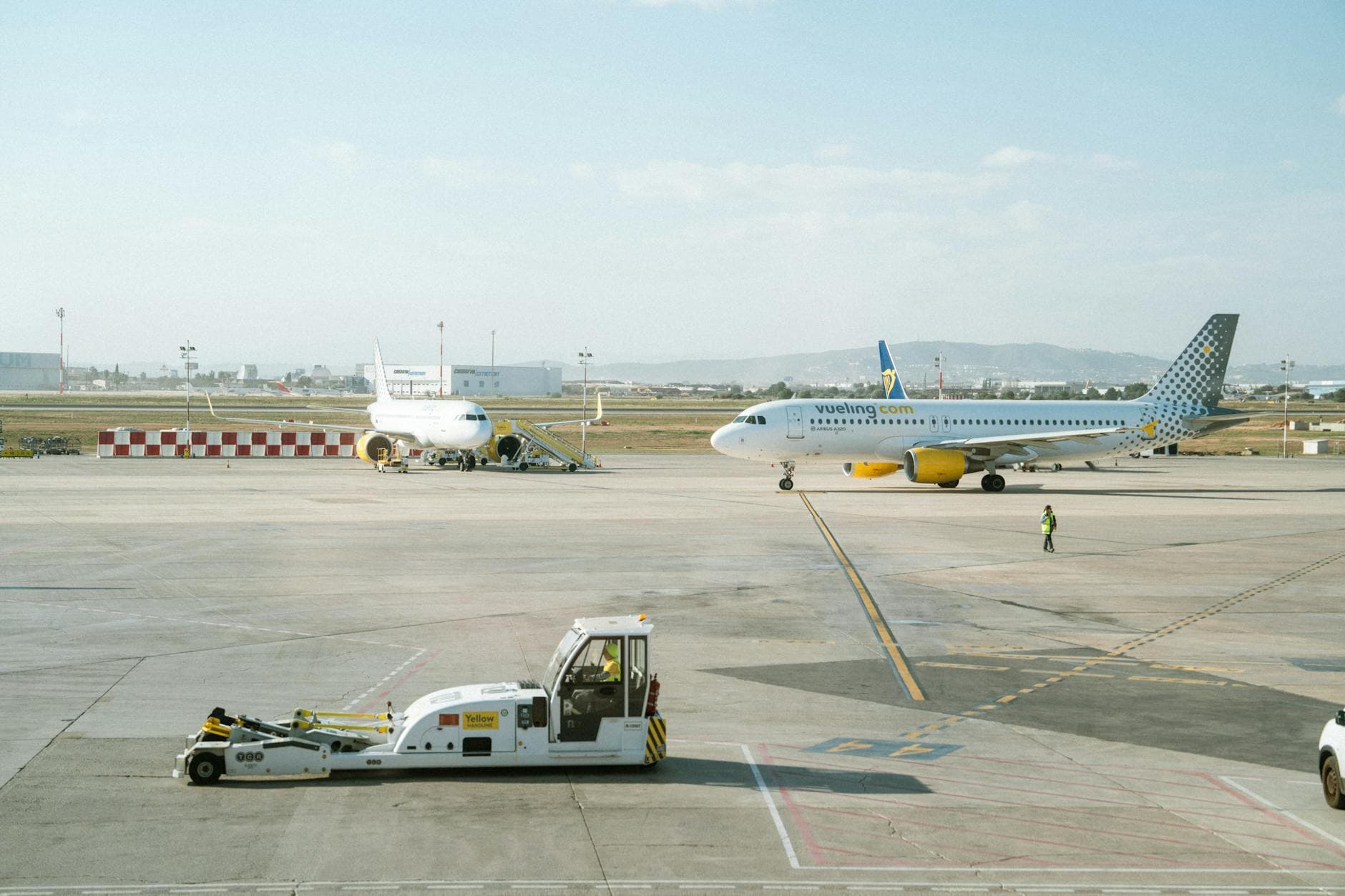
The airport department lists Brian Olson, the city’s public works superintendent, as part of the team overseeing the field. That fits the way many small Minnesota communities handle aviation assets: as public infrastructure that rarely draws attention until a repair or grant application lands on the agenda. Lyon Field is one of Minnesota’s turf-runway airports, a category that depends heavily on state aid to stay operational.
If Pelican Rapids does not win the grants, the city would have to decide whether to defer the work or absorb more of the cost locally. Either way, the decision is about more than an airport lot light or a maintenance project. It is about whether a small city can keep a state-funded transportation asset in shape without pushing too much of the burden onto local taxpayers.
This article was produced by Prism’s automated news system from verified source data, official records, and press releases, then run through automated quality and moderation checks before publishing. The system is built and supervised by the people who set the standards it runs under. Read our full AI policy.
Did this article answer your question?


