Kentucky Legislature Overrides Veto, Sending School Choice Funds to Owsley County
Kentucky lawmakers overrode Gov. Beshear's veto of HB 1, opening a federal scholarship tax credit that can send private funds to Owsley County public schools without cutting state aid.
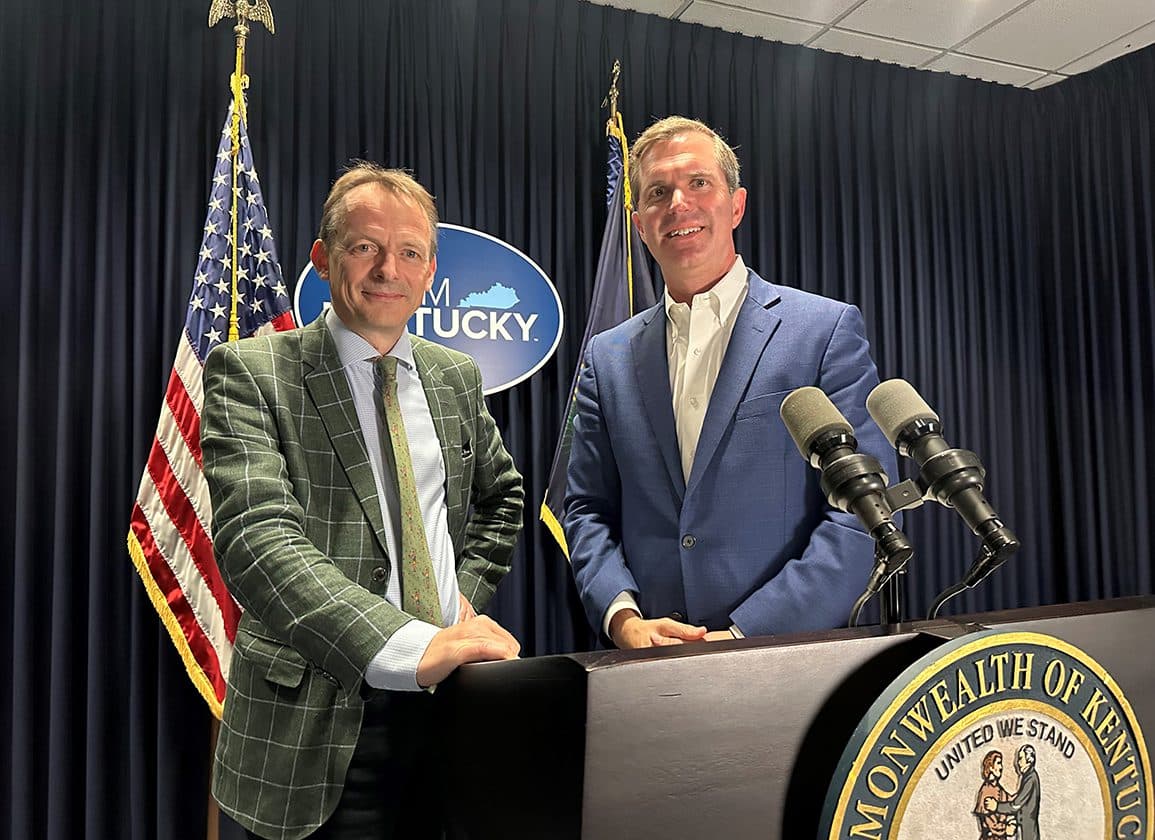
The Kentucky General Assembly voted on March 17 to override Gov. Andy Beshear's veto of House Bill 1, clearing the way for private donors to claim a dollar-for-dollar federal tax credit when they contribute to scholarship granting organizations, including those that direct funds to public school students in rural districts like Owsley County.
Advocates say the move is particularly significant for Owsley County's public schools, where the program would allow private funds to reach needy students without reducing the district's state aid. The mechanism comes through the federal One Big Beautiful Bill Act, which opened a window for states to opt into a federal tax credit for donations to scholarship granting organizations, up to $1,700 per contribution. Any U.S. taxpayer can participate. Under the new Kentucky law, the secretary of state's office will oversee eligible scholarship granting organizations, and those groups can direct funds to both public and private school students.
The House had originally passed HB 1 by a vote of 79-17, with two Democrats joining Republicans in support. The Senate passed it 33-5, with all Republicans joined by one Democrat. The override vote in the House came in at 77-14. Republican Reps. Jim Gooch of Providence and William Lawrence of Maysville did not cast votes on the override, and Rep. Kim Banta of Ft. Mitchell abstained. On the Democratic side, Louisville Reps. Tina Bojanowski, Beverly Chester-Burton, Al Gentry, Pamela Stevenson, and Lisa Willner, along with Newport Rep. Matthew Lehman, did not cast votes. Kentucky's override rules require only a simple majority in each chamber, and the Republican supermajority held.
House Speaker David Osborne of Prospect acknowledged that House Republicans had not always agreed on school choice legislation, but he held firm that their motivations were never in question. "They've never one time ... doubted that the genuine hope of everyone who has pushed for opportunities for our kids has been rooted in anything other than wanting what is best for our kids," Osborne said.
Sen. David Givens of Greensburg, who carried the bill in the Senate, framed the override as a no-cost opportunity for the state. "If we can impact that life in a positive way, which we can do at no cost to our citizens and at no detriment to our state budget, and so I encourage all members to vote for overriding the governor's veto," Givens said. Republican Secretary of State Michael Adams also backed the bill publicly and promoted it during a Trump rally in Northern Kentucky.

Democrats criticized the program as a voucher system designed to funnel money to private and charter schools at public education's expense. Beshear, a consistent opponent of school choice legislation, vetoed the bill before the legislature acted to override it. Republicans countered that the bill draws on federal tax credits rather than state appropriations, and that rural districts, including those without a single private school option nearby, stand to gain under the SGO framework.
That argument resonated with some rural Republicans who had previously blocked school choice measures, concerned the funds would flow to urban private schools and away from their districts. The promise that public school students in places like Owsley County could also receive SGO scholarships helped bring those members on board.
Kentucky's action carries national weight. According to Heritage Foundation analysis, Kentucky is positioned to become the first state where a legislature overrides a governor's opposition to opt into President Trump's school-choice program. Twenty-seven governors have already opted their states in, 26 Republicans and one Democrat, Colorado's Jared Polis. Republican legislatures in Arizona, Kansas, and Wisconsin have explored similar overrides, but none has secured the votes. Arizona's state senate passed an opt-in bill, though Republicans are unlikely to override a veto from Gov. Katie Hobbs. Wisconsin Republicans lack the numbers outright. In Kansas, Republican unity remains uncertain. Kentucky's GOP caucus, by contrast, held together.
Past Republican efforts in Frankfort to steer public dollars toward private and charter schools were struck down in Kentucky courts as failing constitutional standards. The current approach routes private donations through the federal tax credit structure rather than state appropriations, a design its supporters argue sidesteps those constitutional barriers, though that question has not yet been tested in court.
This article was produced by Prism’s automated news system from verified source data, official records, and press releases, then run through automated quality and moderation checks before publishing. The system is built and supervised by the people who set the standards it runs under. Read our full AI policy.
Did this article answer your question?