Owsley County farmers shift from tobacco to diversified crops, cattle
Owsley County’s farm economy has moved past tobacco, with 84 farms now turning to vegetables, cattle and specialty crops on 21,686 acres.
Owsley County’s revised agriculture plan records no tobacco being produced. Land that once anchored a tobacco-dependent economy is being pushed toward vegetables, cattle and a wider mix of crops that can keep money moving through Booneville and the river bottoms along the South Fork of the Kentucky River.
From tobacco county to mixed farm economy
The county’s agriculture development council has made the transition its mission: lead Owsley County from tobacco dependence to a more diversified and healthy economy. The county plan counts 84 farms across 21,686 acres of farmland, much of it forested or shaped by the steep terrain of the Cumberland Plateau. Producers are now working with cabbage, pepper, strawberries, corn, hay and fruit trees instead of tobacco.
The shift has been gradual but real since the 2001 tobacco buyout from tobacco companies accelerated the break with the old system. Farmers quickly understood they would need to produce something else to keep operations going, and vegetables became one of the clearest answers. In Owsley County, agriculture is more important to household income than in other parts of the Kentucky River Area Development District.
Owsley County is small and economically fragile. The 2020 census counted 4,051 residents, and Census estimates put the population at 3,932 on July 1, 2025. The county plan places 33.1 percent of residents at a poverty income level and median household income at $29,340. A separate Census profile lists median household income at $22,188. The county remains among Kentucky’s lowest-income places even as its farm base tries to rebuild.
What is growing now on Owsley land
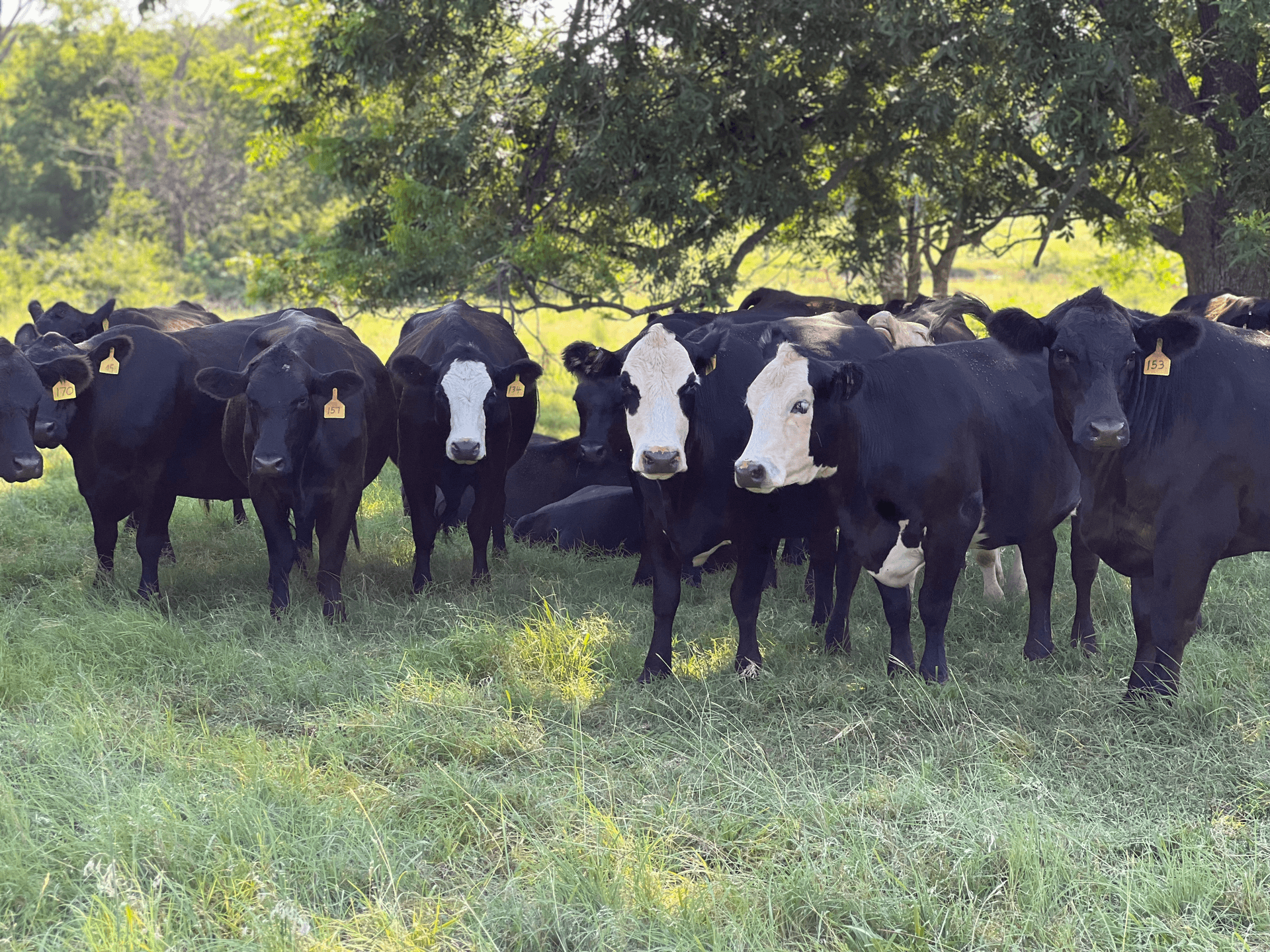
The most visible sign of reinvention is the crop mix itself. Vegetables and cattle are the core of today’s farm economy. Established products include cabbage, pepper, strawberries, corn, hay and fruit trees. Newer or emerging lines of production include mushrooms, grapes, organic vegetable production, pumpkins and squash.
Tobacco once concentrated labor, marketing and cash receipts into one annual cycle. The new model is more complicated, but it also spreads risk. A farmer with strawberries, peppers and hay does not live or die with one harvest or one buyer, and cattle add a separate revenue stream that fits the county’s pasture and woodland edges.
The landscape helps explain why that change is possible and why it remains limited. Owsley County covers 197.4 square miles and sits in the Southern Cumberland forestry region, which includes Daniel Boone National Forest. Much of the county is privately owned forest, mostly hardwoods such as white oak, red oak and hickory. Some of the richest, most underused farmland sits in the broad river bottoms along the South Fork of the Kentucky River.
How the new market is being built
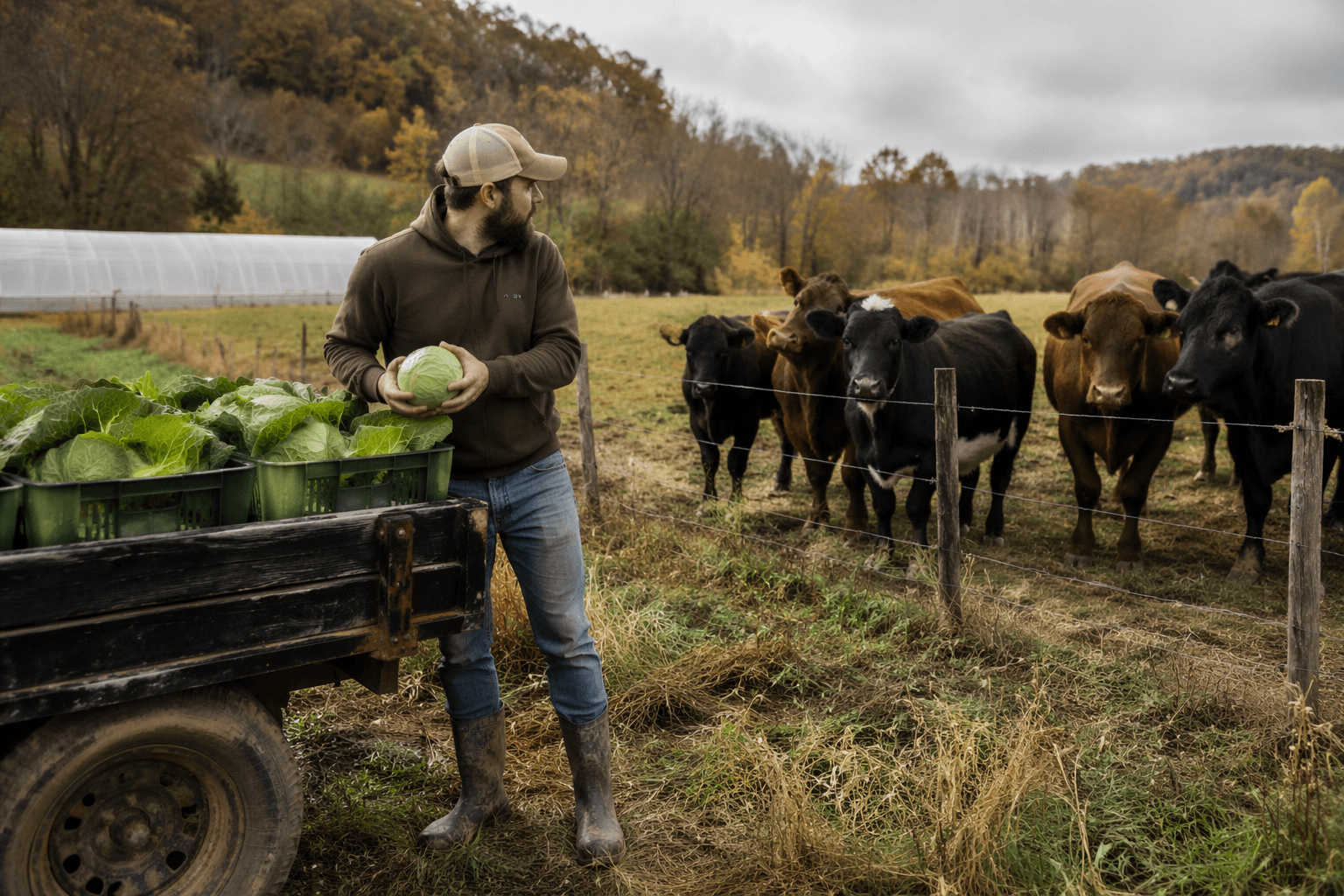
The county’s farmers market, launched in 2007 by the Owsley County Cooperative Extension Service and the Owsley County Farm Bureau, gives growers a direct route from field to buyer. The Kentucky Department of Agriculture counts more than 170 farmers’ markets across more than 115 counties and over 2,600 vendors. Those markets are an important outlet for fruits and vegetables, meat, eggs, dairy and grains.
Direct marketing is a survival strategy in a county with a small population and limited retail base. When local families buy cabbage, strawberries or beef directly from nearby farms, the dollar can stay in the county longer than it did in the tobacco era, when the crop moved through a far more centralized commodity system. The county’s farmers market gives growers a place to sell smaller volumes of higher-value produce without waiting for a large distributor to take notice.
The Owsley County Chapter of the Future Farmers of America helped create a company intended to provide a larger market for vegetables in a county that had traditionally relied on tobacco.
The county held workshops to help farmers diversify and find infrastructure resources. That kind of work is less visible than a roadside produce stand, but it is what makes the stand possible. In a county where farmers have years of experience and adequate equipment, the missing piece is often not willingness but market structure, storage, transport and know-how.
Why Booneville and the river bottoms matter
Booneville sits at the center of this transition because it is the county seat and because the South Fork of the Kentucky River runs through the county’s agricultural core. Owsley County was organized on January 23, 1843, from Clay, Estill and Breathitt counties, and early settlement by John Renty Baker and John Abner in the 1790s tied the county’s identity to the river corridor from the start. The county was later reshaped as Jackson County was created in 1858 and Wolfe County in 1860, but the South Fork remained the line around which settlement and farm use organized.
The most productive land lies in the flat river bottoms, while much of the rest of the county climbs into forest and rougher ground. The county’s geography helps explain why a diversified farm economy is more realistic than a return to the old tobacco pattern. If tobacco once unified the county’s agricultural identity, the new system is more patchwork, shaped by what each tract can support: beef cattle on one farm, hay and corn on another, vegetables and berries in the better bottomland, and specialty crops such as mushrooms or organic vegetables where a grower can build a niche.
This article was produced by Prism’s automated news system from verified source data, official records, and press releases, then run through automated quality and moderation checks before publishing. The system is built and supervised by the people who set the standards it runs under. Read our full AI policy.
Did this article answer your question?