Owsley County native Earle B. Combs starred on Yankees’ Murderers' Row
Pebworth native Earle B. Combs went from homemade baseballs in Owsley County to the Yankees’ 1927 juggernaut. His legacy still belongs in county pride and classrooms.
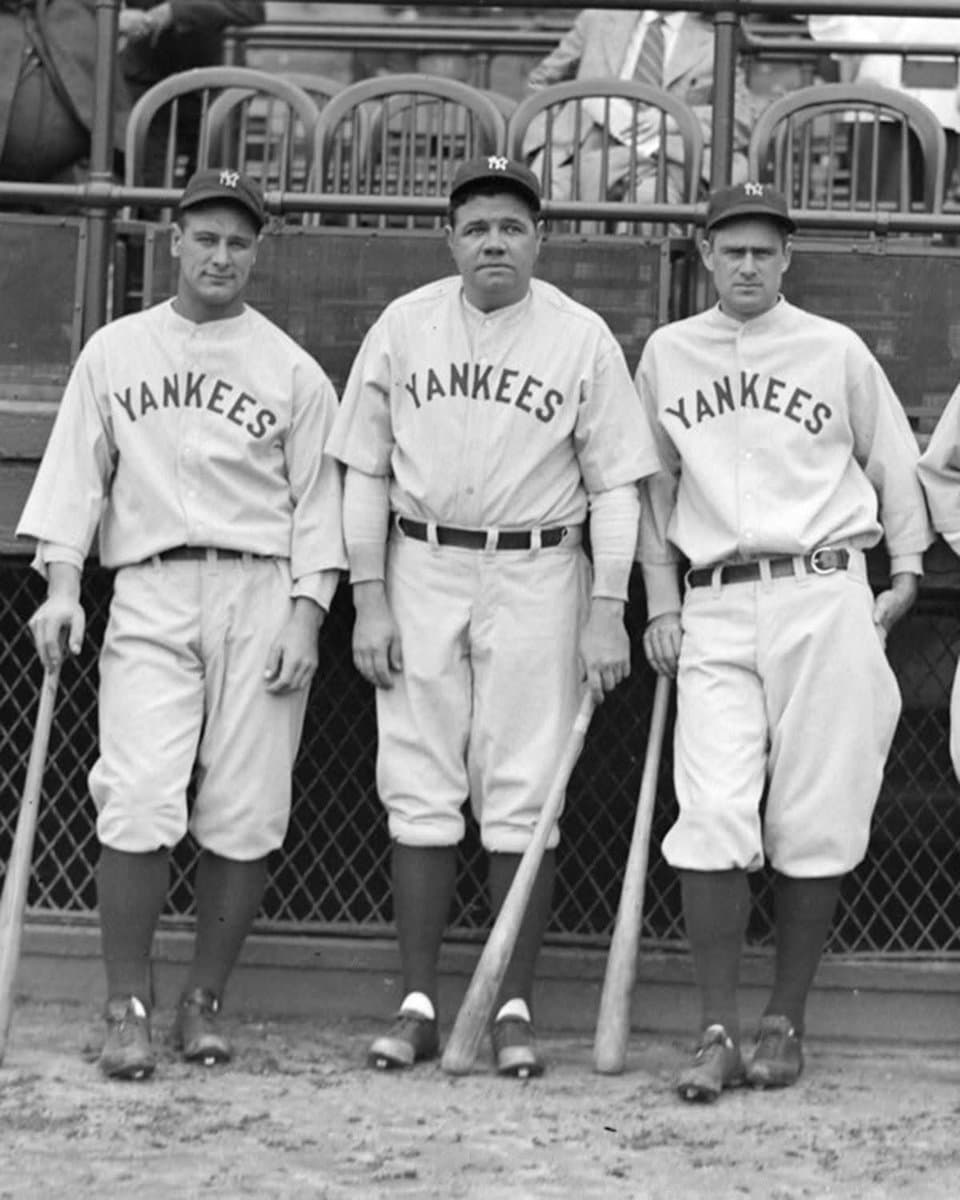
Earle B. Combs is one of Owsley County’s most remarkable hometown stories, and it is easy to miss how large his national legacy really was. Born in Pebworth on May 14, 1899, he rose from a rural Kentucky childhood to become the Yankees’ center fielder and leadoff hitter on some of the most dominant teams in baseball history. For a county that often measures itself by close-knit communities, schools, and family roots, Combs offers a reminder that a place like Owsley can produce talent with truly national reach.
The county historical marker at his birthplace tells part of that story in vivid detail. It says Combs learned baseball there using homemade balls made from string and old shoe material, a detail that turns his rise into something more than a sports biography. It gives Owsley County residents a concrete link between local life in Pebworth and the bright lights of New York, where he would later help define an era of Yankees baseball.

From Pebworth to Eastern Kentucky
Combs’ path did not begin with a direct jump to the majors. He attended Eastern Kentucky State Normal School, now Eastern Kentucky University, and had his first organized baseball moment in a student-faculty game in 1917. That matters because it shows how school athletics and local education formed part of his development, long before he became a major-league fixture.
Before joining the Yankees, Combs played for the Louisville Colonels in 1922 and 1923. The Yankees signed him in 1924, and he spent his entire major-league career with New York from 1924 to 1935. That stability alone says something about how well he fit the club, but it also helps explain why his name should sit firmly in the story of Owsley County, not just in the wider history of baseball.
The Yankees years and Murderers' Row
Combs was more than a good player on a great team. He became the Yankees’ table-setter, the kind of leadoff hitter whose value comes from starting rallies, moving runners, and giving the sluggers behind him a chance to do damage. With Babe Ruth and Lou Gehrig in the lineup, his role was essential, not secondary, and he helped New York win 11 pennants and 9 World Series during his career.
His best season came in 1927, when he hit .356, scored 137 runs, collected 231 hits, and hit 23 triples. He also led the American League with 231 hits that year, putting him at the center of the famous “Murderers' Row” Yankees. That team is remembered for its power, but Combs supplied the speed, contact hitting, and consistency that made the whole machine work.
Even with Ruth and Gehrig drawing much of the attention, Combs held a place of high respect in the game. His career batting average was .325, a mark that reflects both durability and excellence over more than a decade in pinstripes. For Owsley County readers, the numbers help explain why a boy from Pebworth belongs in the same breath as the sport’s biggest names.
A legacy that reached beyond the field
Combs’ recognition did not stop when his playing days ended. He was elected to the Kentucky Athletic Hall of Fame in 1963 and inducted into the Baseball Hall of Fame in 1970 by the Veterans Committee. Those honors confirm what the statistics already suggest: he was not simply a useful role player, but one of the defining figures of his era.
He also stayed close to the game and to education. Combs coached the Yankees from 1936 to 1943, extending his influence from the field into the dugout. Later, from 1956 to 1975, he served on the Board of Regents at Eastern Kentucky University, bringing his name back into the institution where his organized baseball career first took shape.
Why Owsley County should keep telling his story
Combs’ life gives Owsley County a history lesson with practical value. His story can be used in classrooms to show how local geography, school opportunity, and determination can lead to national achievement. It also gives residents a reason to point visitors toward Pebworth and the historical marker there, where the county’s link to one of baseball’s great center fielders is preserved in public view.
That kind of civic memory matters because it changes how a community sees itself. When a county can say one of the Yankees’ greats was born here, learned the game here, and carried those roots into the majors, that history becomes part of local identity rather than a footnote. Combs died on July 21, 1976, but the line from Pebworth to Yankee Stadium still runs through Owsley County, and it is a story worth keeping in the open.
This article was produced by Prism’s automated news system from verified source data, official records, and press releases, then run through automated quality and moderation checks before publishing. The system is built and supervised by the people who set the standards it runs under. Read our full AI policy.
Did this article answer your question?