Owsley County population below 4,000, aid reliance draws criticism
Owsley County’s population is 3,932, and about 37% to 37.8% of residents rely on SNAP, the highest share in Kentucky.

Owsley County’s population has fallen below 4,000, and food assistance has become one of the county’s most visible lifelines. The U.S. Census Bureau estimated 3,932 residents on July 1, 2025, after the 2020 Census counted 4,051, while Kentucky data show roughly 37% to 37.8% of residents receive SNAP benefits, the highest share in the state.
That dependence sits on top of deep economic strain. The county’s median household income was $31,064, per-capita income was $21,285, and 24.9% of residents lived below the poverty line in the cited Census profile. Only 39.2% of people age 16 and older were in the labor force, 70.4% of adults 25 and older had finished high school, and just 7.1% held a bachelor’s degree. The county also recorded a 35.1% disability rate among residents under 65, a median owner-occupied home value of $80,100, and a median gross rent of $448.
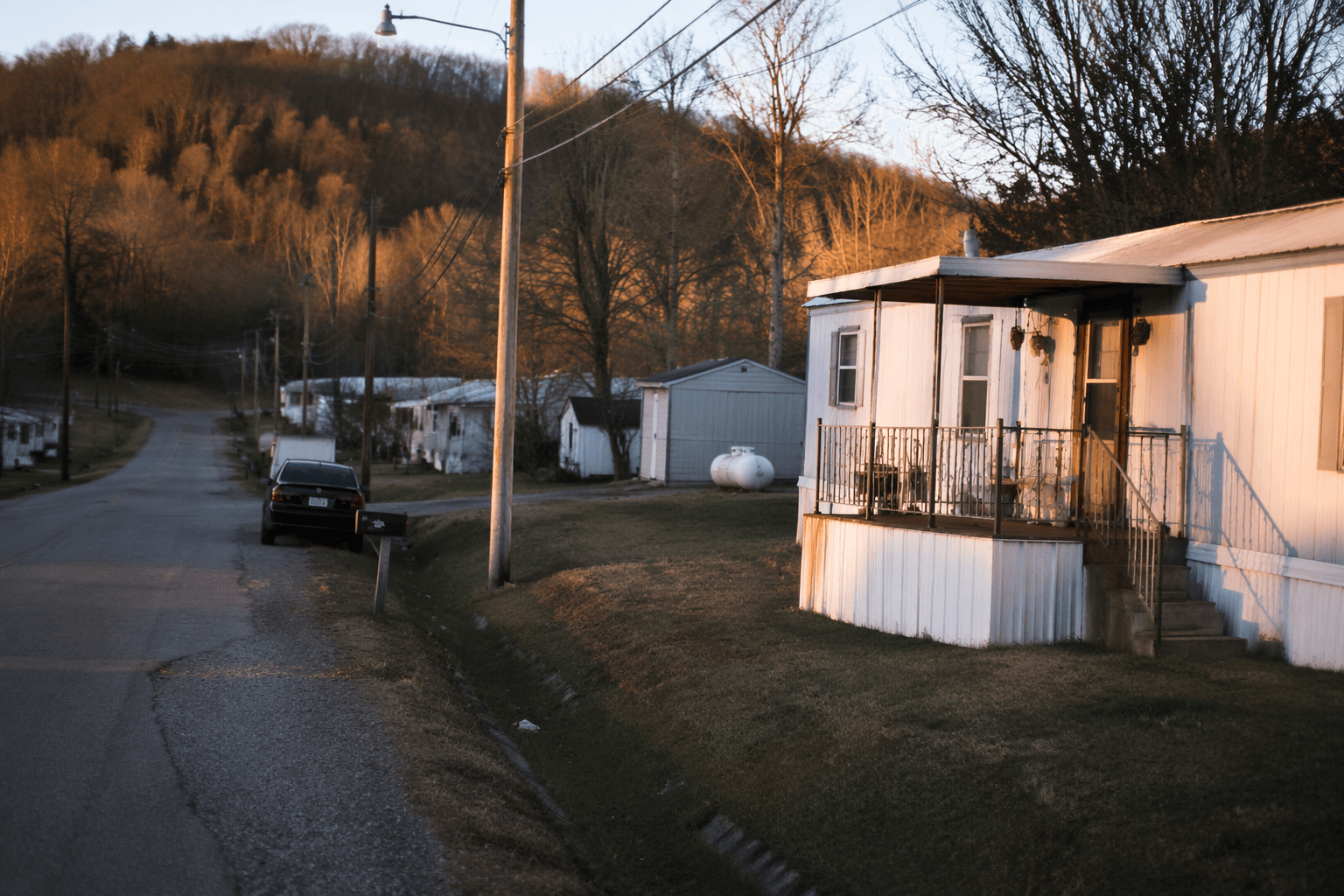
For Booneville, the county seat, the numbers are not abstract. If SNAP rules tighten or a federal shutdown interrupts payments, schools, clinics, seniors on fixed incomes and working families with thin margins all feel the pressure at once. Martha Turner, who leads Owsley County Food Place, said during a shutdown that “our numbers have gone way up. People are really desperate.” An Eastern Kentucky food pantry described the same surge as families turned to charity because they had nowhere else to go.
The county’s politics add another layer to the debate. Ballotpedia lists Owsley County as a Republican county, and recent Kentucky State Board of Elections primary results showed GOP candidates dominating countywide races. That makes criticism of assistance dependence politically charged, but it does not erase the realities of a place where low wages, disability, and limited work opportunities shape daily life.
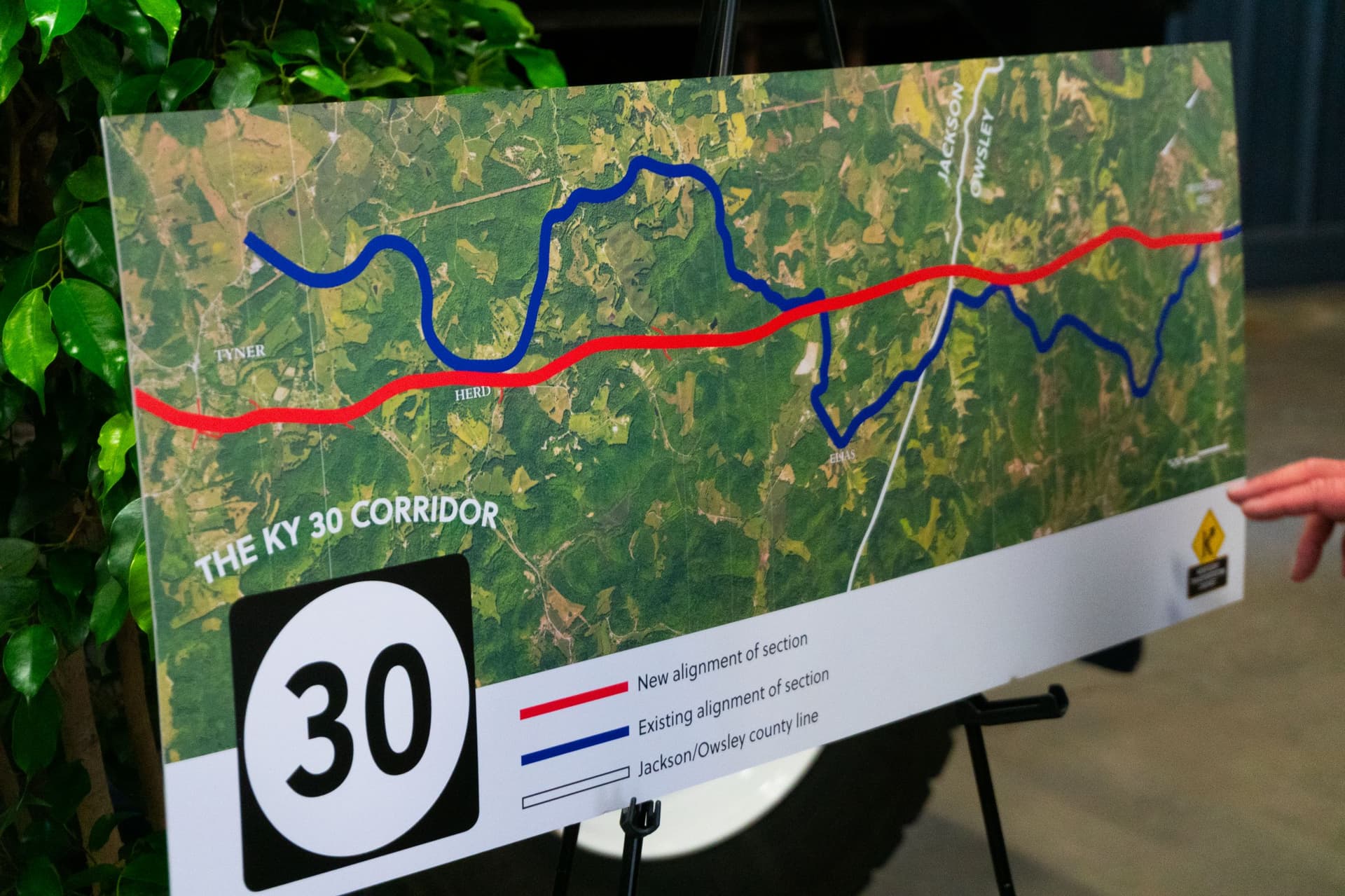
Owsley has long been described as a textbook case of Appalachian poverty, with scholars and journalists pointing to a shortage of natural resources, weak transportation links and a long-running concentration of local power. Basic infrastructure has also remained fragile. The Associated Press reported that Booneville and the wider county have faced frequent low water pressure and outages because of limited tank capacity and corrosion. In a county this small, each weakness reinforces the next, and any change in state or federal aid would reach quickly into kitchens, classrooms and clinic waiting rooms.
This article was produced by Prism’s automated news system from verified source data, official records, and press releases, then run through automated quality and moderation checks before publishing. The system is built and supervised by the people who set the standards it runs under. Read our full AI policy.
Did this article answer your question?