Tell City street and trash crews handle roads, flood protection, cleanup
Tell City’s Street/Trash Department handles more than curbside pickup: it keeps roads, recycling, clean-up days, and flood protection moving.
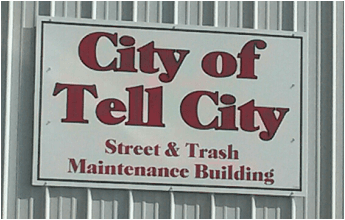
Tell City households depend on one department for far more than trash pickup. The Street/Trash Department keeps roughly 45.7 miles of streets and alleys in working order, handles recycling and snow removal, and helps protect homes from flooding through the city’s floodwall, levee system, pumping stations, and Windy Creek.
What the Street/Trash Department actually does
The clearest way to understand the department is to think of it as Tell City’s day-to-day service backbone. Its work includes maintenance and repair programs, paving projects, street cleaning, snow removal, street signage, trash removal, and recycling. That mix matters because the same crews that keep roads passable also help keep neighborhoods clean and the city visible, drivable, and safe.
The department’s workload also extends beyond the curb. City materials say the city bans trash burning, which makes the curbside system even more important for residents who need a reliable place to put household waste. The department also manages mowing crews and handles the chipping and disposal of fallen trees and limbs, which means it is often part of the response after storms, high winds, or seasonal cleanup around homes and yards.
How trash and recycling work in Tell City
For everyday service, the city’s trash-information sheet says recycling is picked up every other week. It also says residents receive information cards that spell out the dates and the items allowed during the annual cleanup, which gives households a set schedule instead of guesswork. That kind of predictable system is especially important in a city where trash service does not extend outside the city limits.
Tell City’s comprehensive plan is explicit on that point: there is no trash service outside the city. Inside the city, the Street/Trash Department becomes the main public contact for routine disposal, recycling, and special collection periods, which helps explain why residents often look to the same office for a wide range of questions about sanitation and street work.
Spring Clean-Up is a controlled annual disposal window
Tell City’s annual Spring Clean-Up is not a loose, open-ended event. In 2026, it ran from June 1 through June 6, and items were collected on residents’ regular trash pickup days. Each household was limited to one truckload, and household trash bags still had to carry a red trash tag during the cleanup period.
That structure matters because the cleanup is meant to solve a specific problem: bulky items that are not normally accepted during regular collection. The department says the one-week cleanup brings in more than 130 tons of household trash, a number that shows just how much demand there is for occasional bulk disposal in a small city. For residents, the practical value is simple: there is a predictable window to get rid of old furniture, yard debris, and other large items without turning it into a year-round free-for-all.
The city’s trash sheet also makes clear that the cleanup comes with instructions, not just a date range. Residents are told what can go out and when, and those instructions arrive through the information cards the city sends to each household. That keeps the process organized and helps crews move through neighborhoods efficiently on normal pickup days.
Flood protection is part of the same job
The department’s mission is not limited to sanitation and streets. Tell City says the Street Department maintains the floodwall and levee system in accordance with strict federal regulations, along with the community’s pumping stations and Windy Creek. That is a major part of public safety in a river community, because flood control works best when it is treated as routine infrastructure instead of emergency-only equipment.
The city’s comprehensive plan reinforces that point by identifying public-facilities priorities that include additional Washington Street and Fulton Street pumping stations and a stronger floodwall emphasis. In other words, flood protection is not just a maintenance task already on the books. It is also part of the city’s longer-term planning for how Tell City should function in heavy rain, high water, and other drainage pressures.
The wider significance is reflected in the work of the U.S. Army Corps of Engineers and its National Levee Database, which collects known levees across the country and supports awareness, preparedness, funding priorities, and understanding of flood exposure. That national purpose helps explain why Tell City’s floodwall and levee responsibilities come with strict rules: levee systems are only as strong as the maintenance, documentation, and operating discipline behind them.
Why the behind-the-scenes work matters to daily life
The department’s value becomes clearest when something is delayed, blocked, or broken. A missed snow response affects travel, a damaged street sign affects navigation, a clogged drainage system raises flooding risk, and a skipped trash cycle quickly becomes visible at the curb. By handling streets, sanitation, mowing, storm debris, and flood protection under one umbrella, Tell City treats these services as a connected system rather than isolated chores.
That is why the Street/Trash Department matters to more than one season of life in Perry County. It is the crew that keeps roads usable, organizes bulk cleanup, supports recycling, and maintains the protections that stand between ordinary weather and a flooding problem. For Tell City residents, the department is one of the city’s most practical public services, even when its work happens mostly out of sight.
This article was produced by Prism’s automated news system from verified source data, official records, and press releases, then run through automated quality and moderation checks before publishing. The system is built and supervised by the people who set the standards it runs under. Read our full AI policy.
Know something we missed? Have a correction or additional information?
Submit a Tip