Two pedestrians injured in separate Tell City crashes hours apart
Two pedestrians were hurt in separate Tell City crashes Saturday night, including Kaleb Harding on Tell Street. One scene led EMS to request air transport.
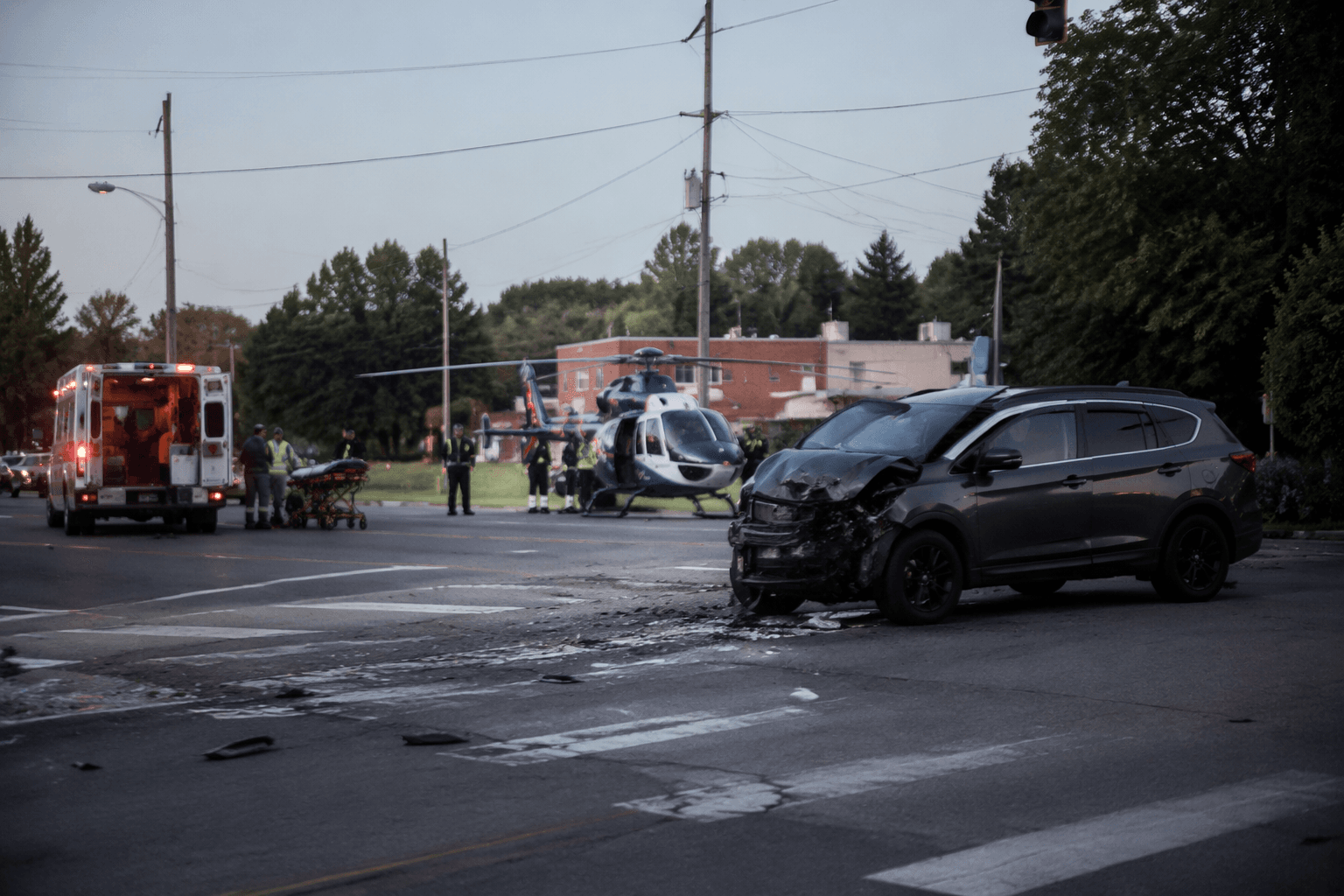
Two pedestrians were hurt in separate Tell City crashes Saturday night, and police said the collisions happened within about two hours of each other. One of the injured pedestrians was Kaleb Harding, who was walking across Tell Street when a car attempting to turn right struck him.
A second crash took place later the same evening near the intersection of 12th Street, where first responders reported one pedestrian had a head injury and pain in both legs. EMS requested air transport from that scene, underscoring how quickly a routine traffic crash can turn into a major emergency response in Perry County.
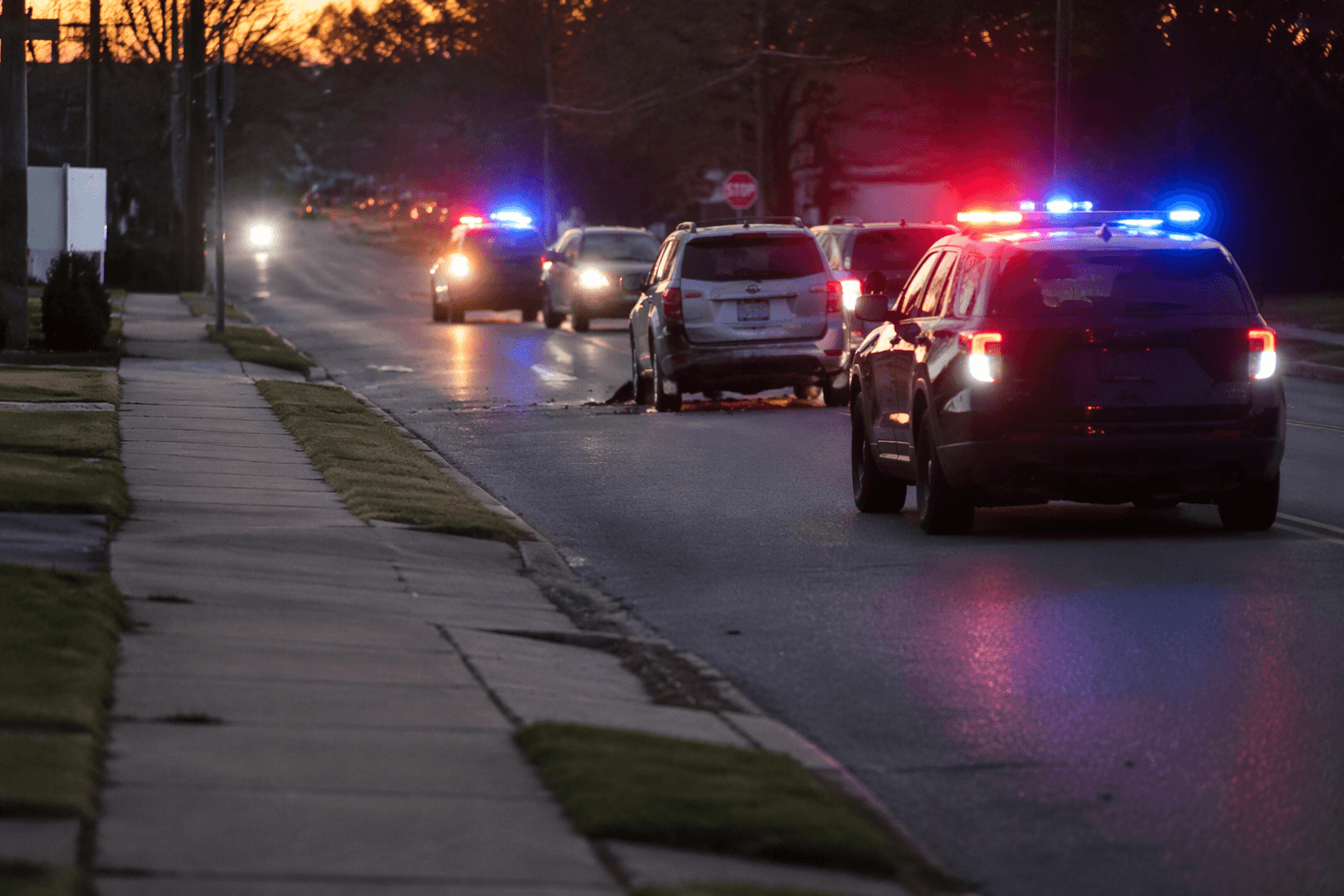
Tell City police said the two crashes were separate incidents. One began around 5:56 p.m., and the later injury followed not long after, keeping officers and medics moving from one scene to another on the city’s streets.
The details that have emerged point to the same immediate concerns in both crashes, pedestrian exposure, turning vehicles, and the challenge of seeing and reacting quickly enough on local roadways. Harding was struck while crossing Tell Street, and the other crash involved a pedestrian near 12th Street, two locations that now sit at the center of questions about whether visibility, driver attentiveness, or roadway design contributed to the injuries.
For walkers, the incidents are a reminder to use marked crossings where available, stay alert at intersections, and avoid assuming a turning driver has seen them. For drivers, the lesson is more direct: slow down for turns, scan both directions before moving through an intersection, and expect people on foot near business and neighborhood streets.
The same facts also put pressure on city officials and investigators to determine whether either location has become a repeat danger point. If Tell Street, 12th Street, or nearby approaches are producing injury crashes, the next step is to look hard at lighting, sight lines, crossing patterns, and turn movements before another pedestrian is hurt.
This article was produced by Prism’s automated news system from verified source data, official records, and press releases, then run through automated quality and moderation checks before publishing. The system is built and supervised by the people who set the standards it runs under. Read our full AI policy.
Did this article answer your question?