Walls Drive-In to reopen in Cannelton’s historic Can-Clay building
Walls Drive-In is set to reopen in Cannelton’s Can-Clay building, bringing a longtime Perry County name back to downtown 201 Washington Street. The move ties nostalgia to a major reuse project.
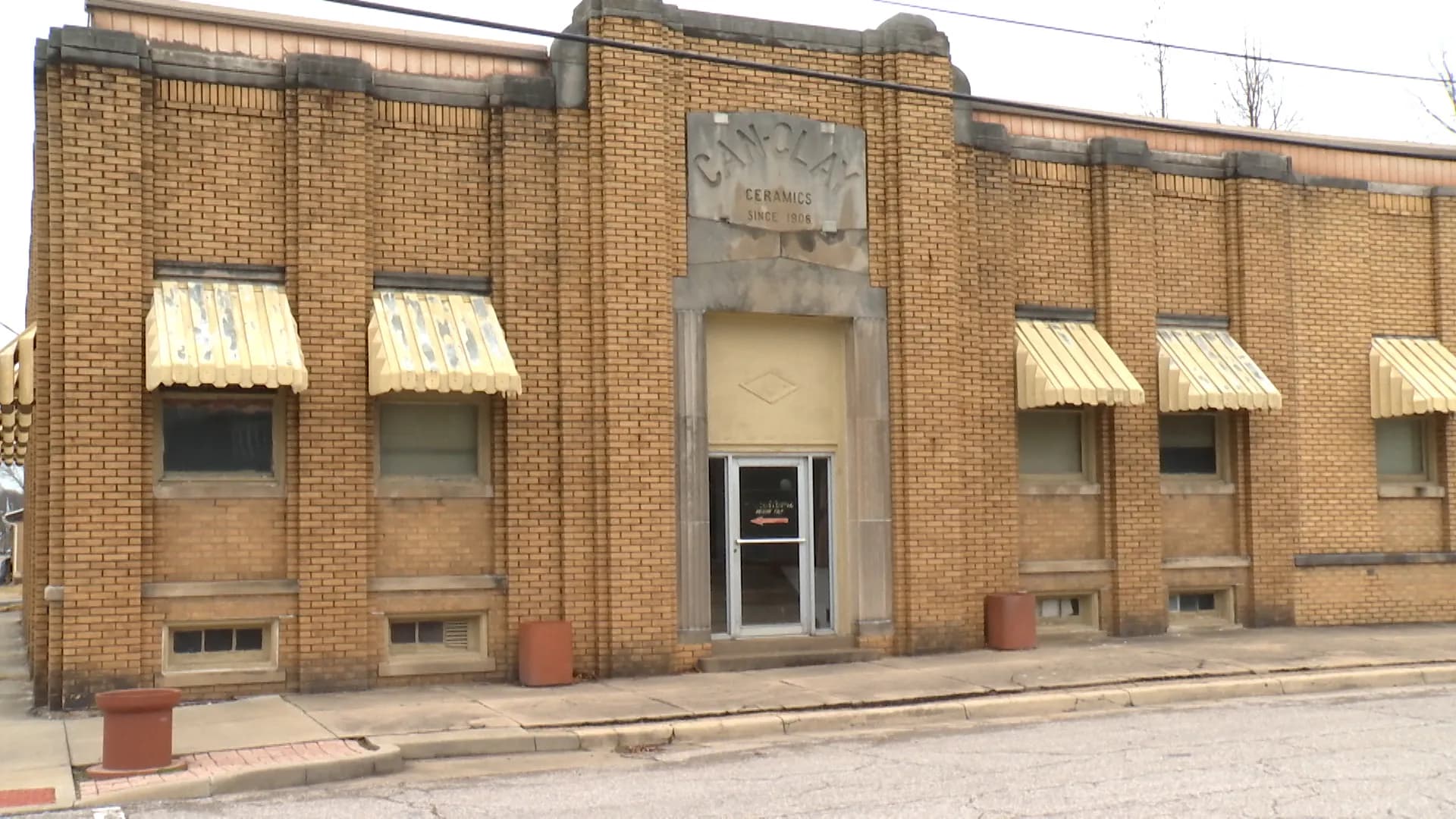
Walls Drive-In is set to reopen in Cannelton’s Can-Clay building, bringing a familiar Perry County business back to the downtown block at 201 Washington Street. For residents who have long associated the restaurant with Cannelton life, the return is as much about neighborhood memory as it is about a new place to eat.
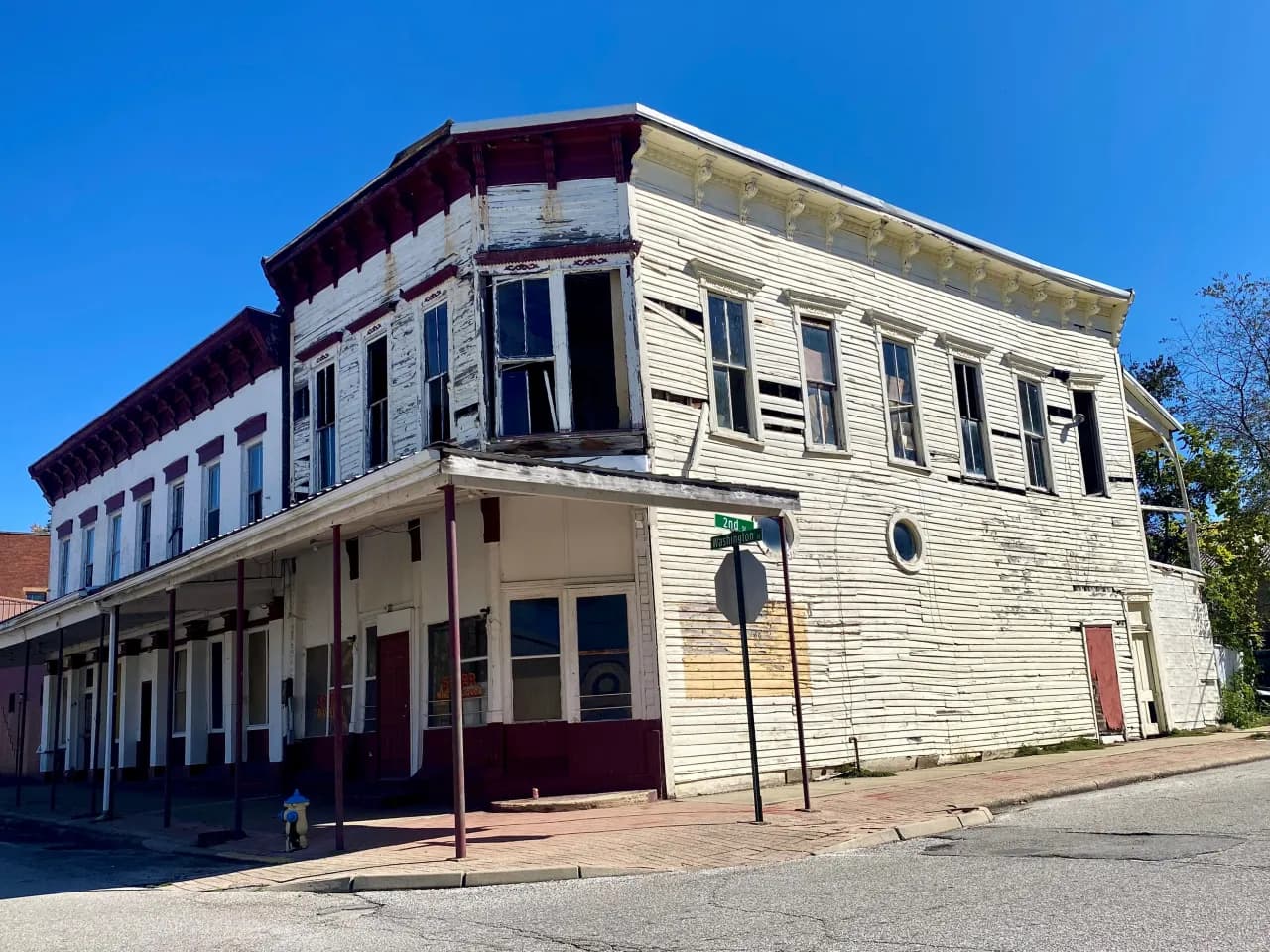
The move centers on a nearly 120-year-old historic Italianate commercial building that sits within the Cannelton National Register Historic District. The City of Cannelton acquired the property in fall 2024 and later sought proposals from qualified developers to rehabilitate it, framing the site as a candidate for adaptive reuse and federal rehabilitation tax credits as an income-producing property. Indiana Landmarks also joined the effort to find a developer for the building, underscoring the preservation value attached to the downtown structure.
Walls Drive-In has been serving Cannelton since 1964, and that long history has made the name a fixture for generations of local diners. In later coverage, Dillon Harlen, Whitney Harlen and their family were shown working on the project, sometimes seven days a week for 10 hours a day, to prepare the former Can-Clay building for a new version of the restaurant.
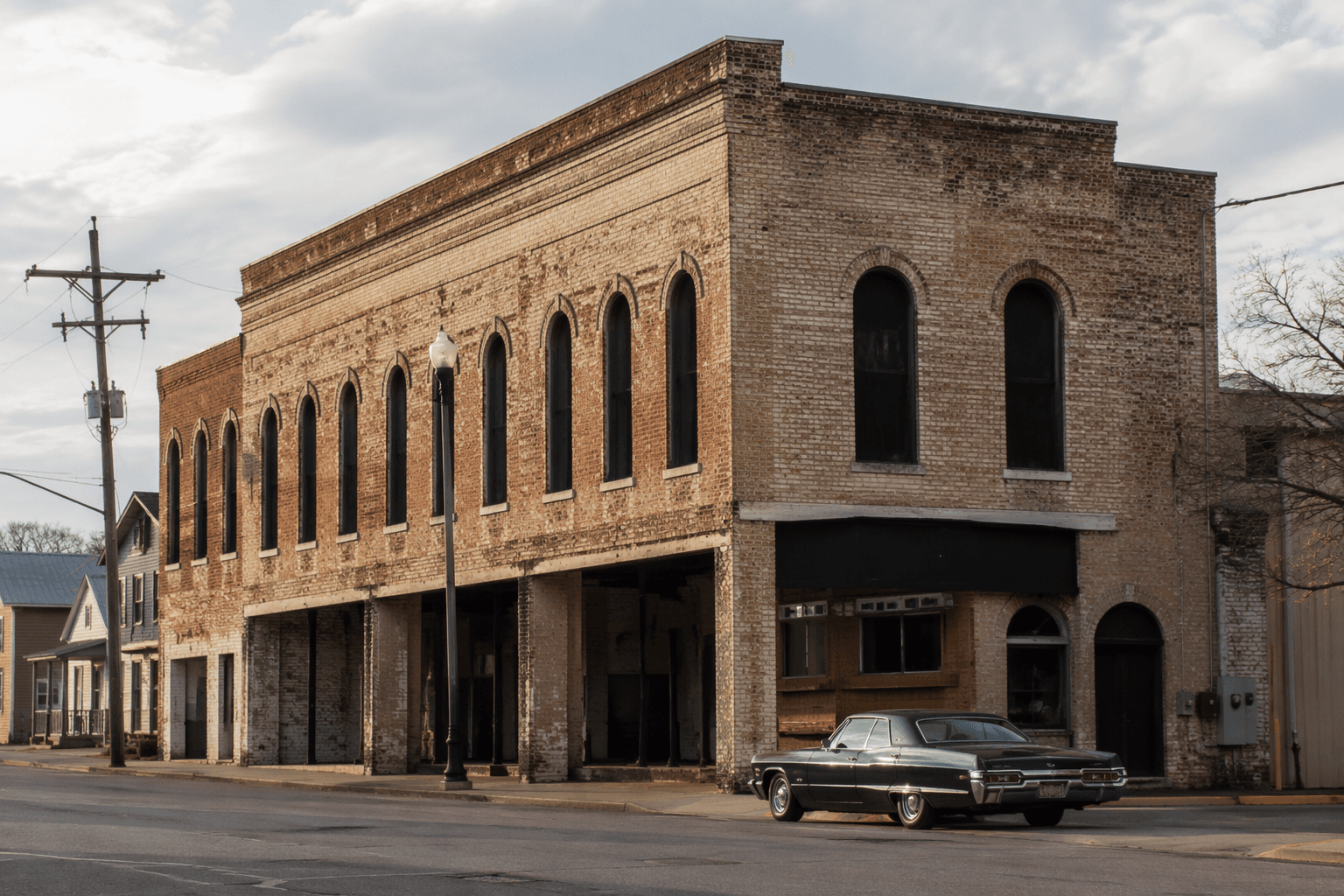
By July 2025, the work was moving toward an anticipated opening by the end of March. The site’s reuse matters beyond a single restaurant opening because downtown Cannelton has long depended on active storefronts to keep foot traffic moving through the commercial core. A functioning Walls Drive-In would give people another reason to stop on Washington Street, and that can spill over to nearby businesses as well.
The reopening also reflects a broader pattern in Cannelton, where preservation and economic use often have to work together. The Can-Clay building has already been identified as historically significant enough to merit rehabilitation incentives, and its transformation into a restaurant gives the block a practical use instead of another vacant facade. For a town built around historic architecture and a small number of central commercial streets, that kind of reuse is more than nostalgia. It is one of the clearest ways to keep downtown active.
This article was produced by Prism’s automated news system from verified source data, official records, and press releases, then run through automated quality and moderation checks before publishing. The system is built and supervised by the people who set the standards it runs under. Read our full AI policy.
Did this article answer your question?