Who runs Perry County government, and what each office does
Perry County’s key decisions start at 2219 Payne Street, and residents can still get in early through agendas, open appointments, and public board meetings.
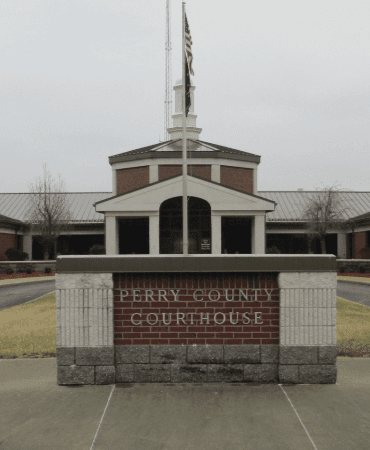
Perry County government is run less by one office than by a small cluster of boards at 2219 Payne Street in Tell City. If a road, budget, tax rate, permit, record, or appointment is causing trouble, the first stop depends on which office holds the leverage. The county posts agendas, minutes, a meeting calendar, and a YouTube live stream, so residents can watch decisions before they harden.
The commissioners and council hold the core levers
The Perry County Board of Commissioners is the county’s legislative body, and the county also describes it as the county executive. That means the commissioners sit at the center of county business: they supervise and maintain county property, establish policy, authorize contracts and county claims, and create and enforce ordinances. When an issue touches county buildings, county-owned land, or the rules the county enforces on itself, the commissioners are the place to start.
Their meetings are not hidden away. Perry County keeps a public calendar and posts agendas and minutes, along with a live stream, so residents can follow the room where county business gets discussed before votes are final. The county’s agenda pages also show regular commissioners meetings and joint meetings with the hospital board, a reminder that county decisions often overlap with Perry County Memorial Hospital and other local institutions.
Indiana county guidance helps explain why the office changes slowly. Commissioners are generally elected from districts but chosen by countywide vote, and they serve four-year staggered terms. In practice, that gives Perry County a leadership structure that can shift without turning over all at once, which matters when residents are trying to track who controls a policy from one year to the next.
The County Council is the county’s fiscal body and also its legislative body on the money side. Perry County says the council has seven elected members, with one elected from each of four districts and three elected at large. This is the room that decides budgets, levies, and salaries, so when residents are looking at taxes or asking why a county department has the funding it does, the council is the office that matters most.
The council’s work is not theoretical. The county’s current calendar lists a council meeting on June 25, 2026, which shows the body is active in the day-to-day running of county government. If the issue is spending, staffing, or the overall tax structure, the council is the first meeting to watch and the first set of minutes to read.
The clerk is the place for elections and records
The Perry County Circuit Court Clerk handles the paperwork that touches residents most directly. Joan Hess serves as clerk, and the office registers all voters in the county, administers federal, state, county, municipal, township, school board, and special elections, processes marriage licenses, maintains permanent court records, and serves the absentee voter board. The clerk also handles voting access for confined voters in private homes, nursing homes, and hospitals, which makes the office especially important for families helping someone vote from a care setting.
The clerk’s office is also at 2219 Payne Street in Tell City, and it keeps Monday through Friday hours from 8 a.m. to 4 p.m. If a voter registration issue, absentee ballot question, marriage license need, or court-record request comes up, this is the office that can answer it fastest. For many residents, the clerk is the most immediate point of contact with county government.
The board network is where specialized issues land
Perry County’s board members page shows how much county power is distributed beyond the commissioners and council. The list includes the Airport Authority, Alcoholic Beverage Board, Animal Welfare, Control, & Education Board, Emergency Management Advisory Council, Health Board, Hospital Board of Trustees, Parks and Recreation Board, Public Library Board, Redevelopment Authority, Redevelopment Commission, Zoning Appeals Board, Port Authority, Property Tax Assessment Board of Appeals, PSAP Advisory Committee, Public Defender Board, and Indiana 15 Regional Planning Commission.
That list matters because many county disputes never end up in the commissioners’ room first. A development question may end up near the zoning and planning side. A library, redevelopment, or property-tax appeal issue may land before a separate board. If residents want to know where a decision is really being shaped, the board list is the map.
Perry County also gives residents a way into that structure. Its open appointments page invites people to submit a Letter of Interest, and the county has a dedicated page for current vacancies. That makes board service a real route into county government, not just a ceremonial title attached after the fact. Vacancies on bodies like the Public Library Board, Redevelopment Commission, or Property Tax Assessment Board of Appeals can change who influences local policy long before a countywide election does.
Perry County’s shape still matters
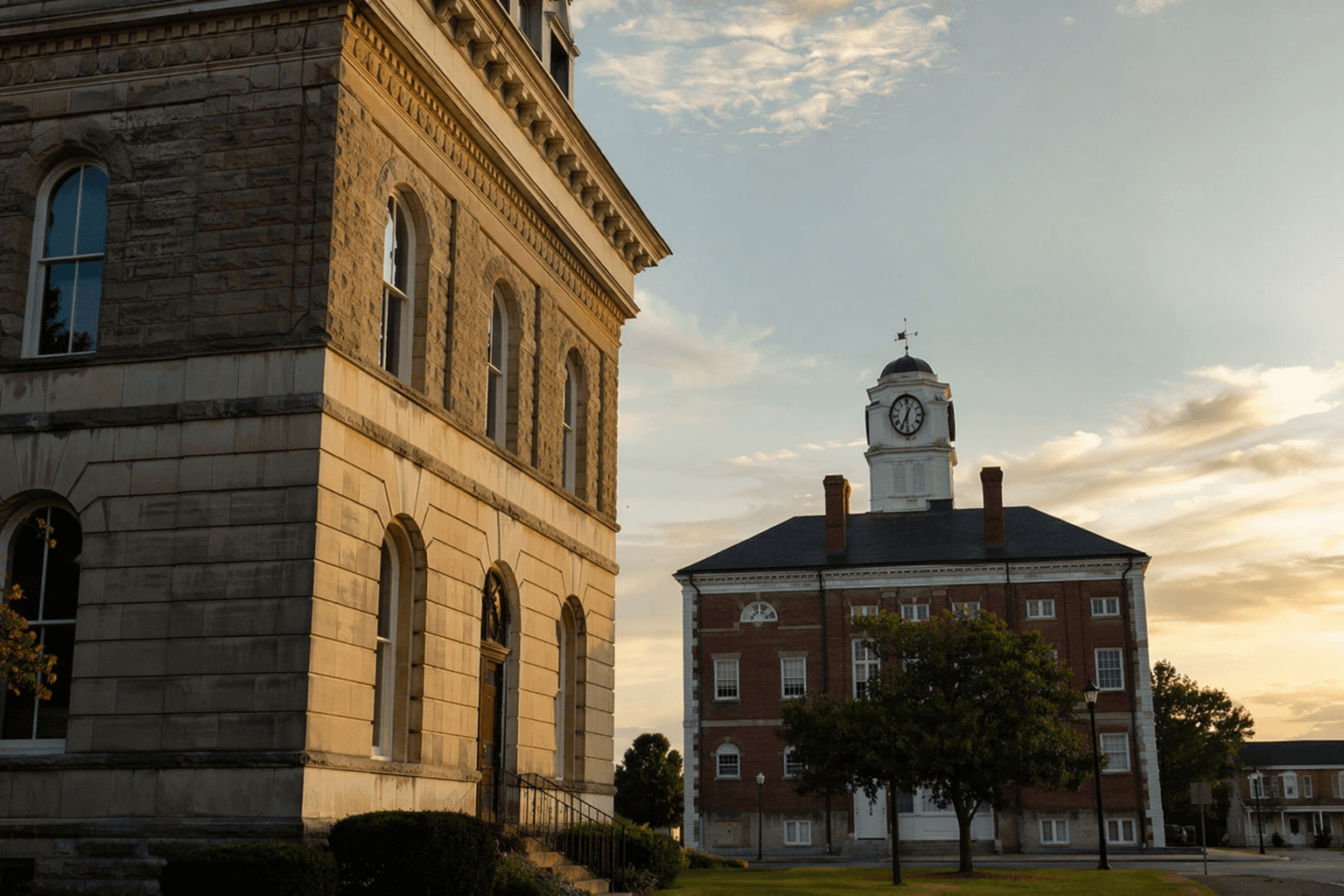
The county’s structure makes more sense once you look at its history. Perry County was organized in 1814 and was the last county in Indiana created before the Territory of Indiana applied to Congress for an enabling act. Its county seat moved from Troy to Rome to Cannelton, and then to Tell City in 1994. That is why the county’s government center sits in Tell City today, where the boardroom, clerk’s office, and public meeting records are anchored on Payne Street.
The geography around that center also shapes county decisions. Perry County says it is home to more than 60,000 acres of Hoosier National Forest and borders the Ohio River. Those two facts help explain why land use, access, development, and public services can carry more weight here than they might in a more compact county. With a 2020 Census population of 19,170 and a 2025 estimate of 19,389, Perry County remains small enough that a commissioner meeting or board vacancy can have a visible local effect.
Where to start when something needs attention
- For voter registration, absentee voting, marriage licenses, or court records, start with the Circuit Court Clerk.
- For county property, contracts, ordinances, and county operations, go to the Board of Commissioners.
- For budgets, levies, and salaries, watch the County Council.
- For appointments, board seats, and specialized matters, check the board members page and the open appointments page, then show up before the vote.
The practical lesson is simple: in Perry County, influence usually starts with an agenda, not a headline. Residents who want a say have several clear entry points, and the county already puts those doors at street level in Tell City.
This article was produced by Prism’s automated news system from verified source data, official records, and press releases, then run through automated quality and moderation checks before publishing. The system is built and supervised by the people who set the standards it runs under. Read our full AI policy.
Did this article answer your question?