Battle of Helena marks Phillips County’s key Civil War clash
Helena’s bluffs still carry the Battle of Helena’s footprint, from Fort Curtis and the batteries to downtown museums that keep Phillips County’s Civil War story visible.
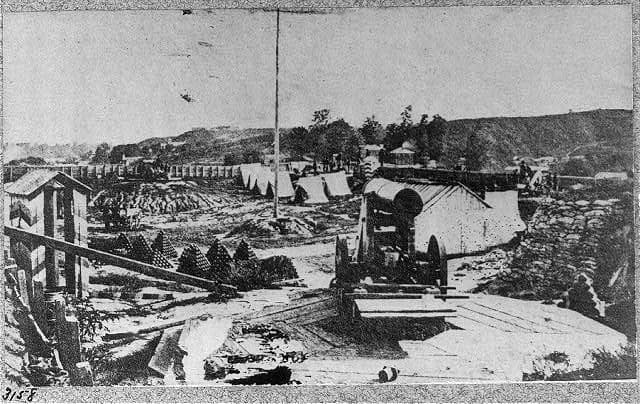
Walk the high ground above the Mississippi in Helena-West Helena and the Battle of Helena is still easy to find in the landscape. Fort Curtis, the old battery sites, and the museums downtown make Phillips County’s Civil War history feel physical, not distant, and they show why this clash remains one of the county’s defining stories.
The ground that shaped the fight
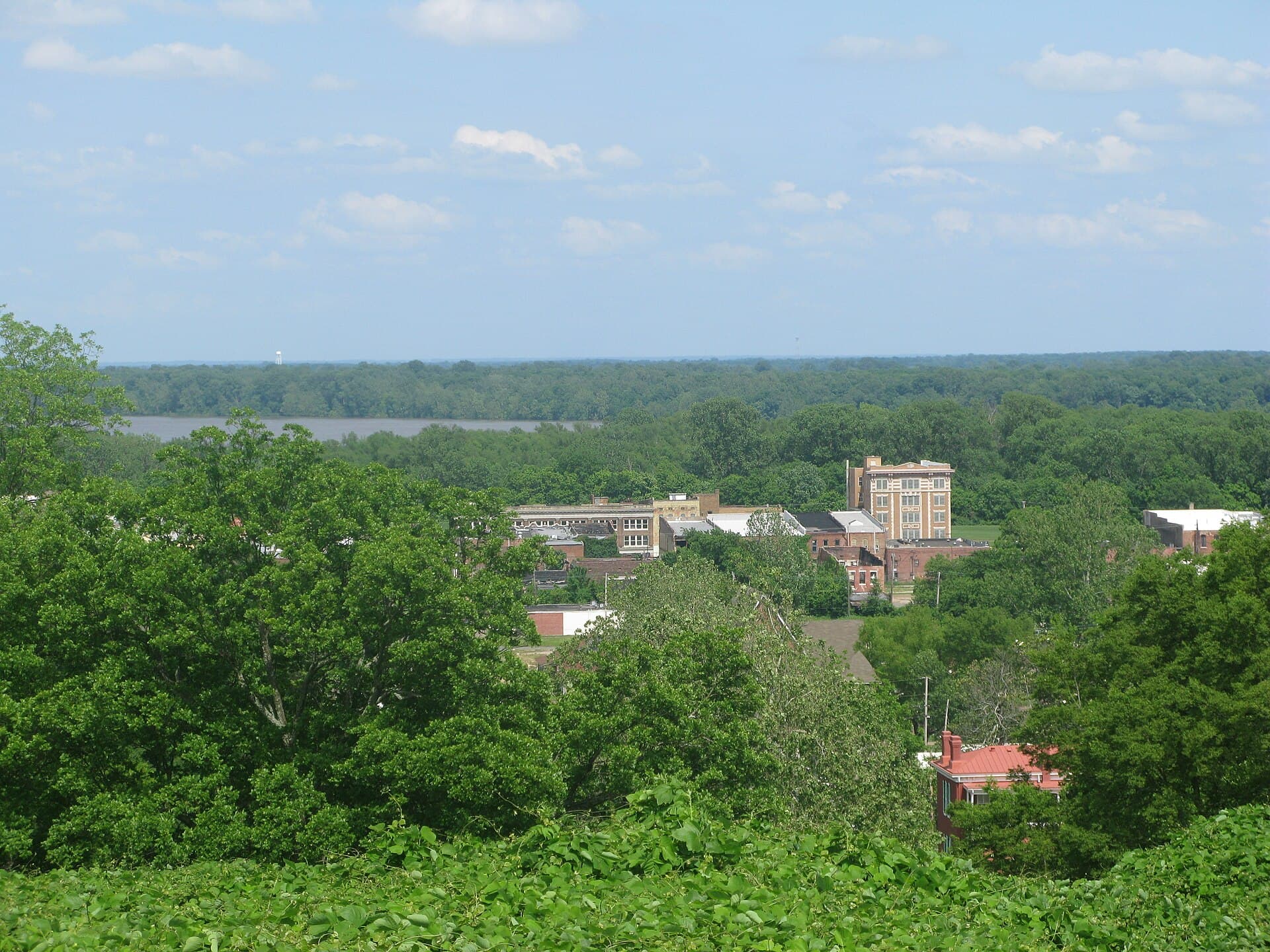
Helena mattered first because of where it sits. Federal forces under Major General Samuel Ryan Curtis occupied the city in July 1862 and turned it into a major Union logistical base on the Mississippi River at a moment when control of the river corridor mattered enormously to the wider war. The town’s position on the high ground of Crowley’s Ridge gave Union forces an excellent defensive advantage, a fact that still explains why Helena became such a prized military outpost.
That geography was not abstract. In the Delta, elevation could mean the difference between holding a position and losing it, and Helena’s bluffs gave the Union a natural platform to defend the river and project power inland. After occupation, Helena also served as a staging area for Union expeditions into Confederate Arkansas, reinforcing the city’s role as more than a garrison. It was a working base for war, supply, and movement.
How the Battle of Helena unfolded
The battle itself came on July 4, 1863, when Confederate forces attacked the city. Lt. Gen. Theophilus Holmes led the assault as part of an effort to relieve pressure on Vicksburg while Maj. Gen. Ulysses S. Grant’s army was besieging that city. Helena was defended by Maj. Gen. Benjamin Prentiss, with Fort Curtis and four batteries of artillery forming the core of the Union position.
Those batteries, known as Batteries A, B, C, and D, were not side notes. Together with Fort Curtis, they were the physical expression of a city turned into a war outpost, and they anchored the defense that held against the Confederate attack. The gunboat U.S.S. Tyler also patrolled the Mississippi River during the battle, adding another layer of protection to the Union line and helping secure the city’s riverfront position.
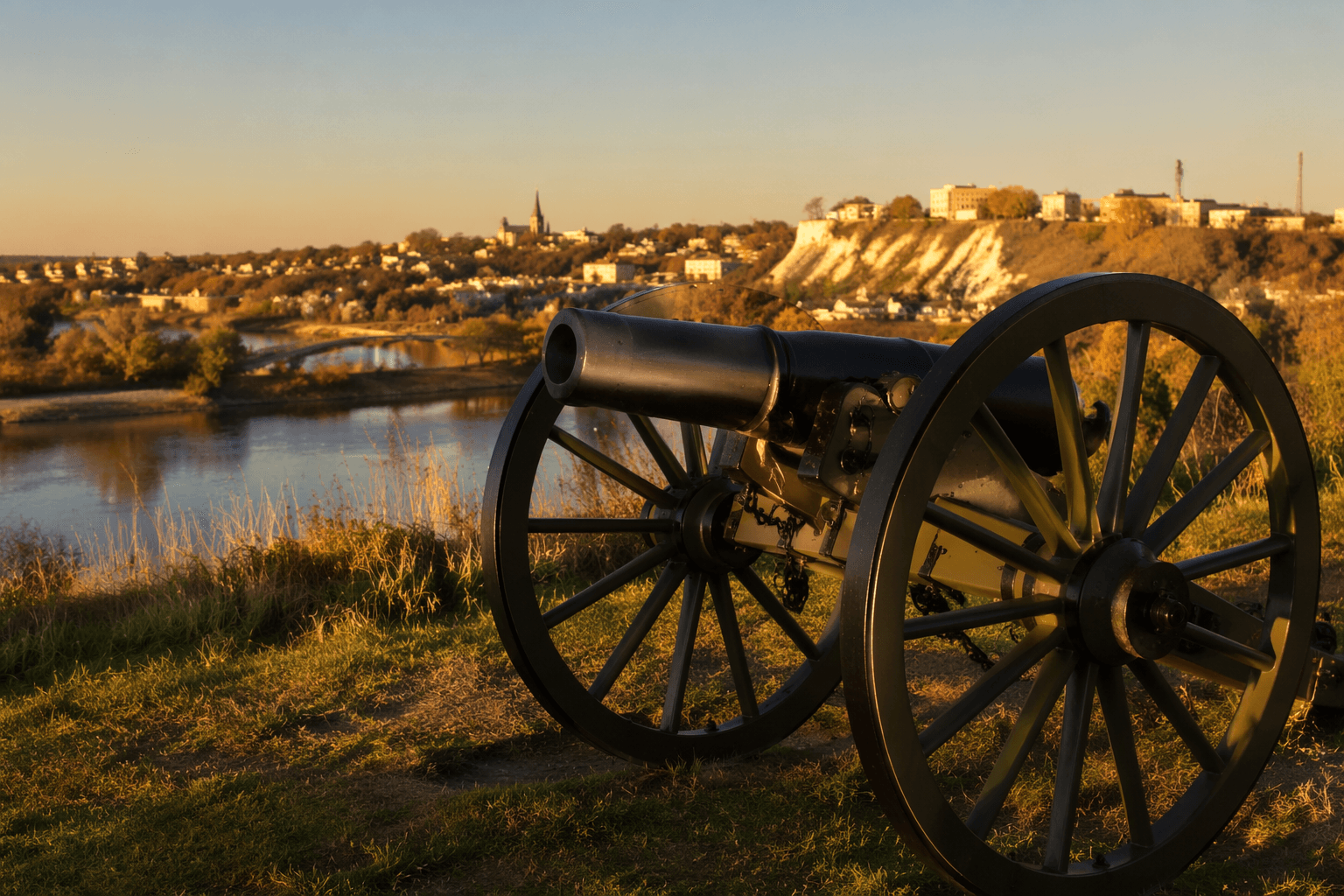
The Battle of Helena is commonly described as a Union victory, but the cost was steep. Reported casualty figures are commonly cited at about 239 Union casualties and about 1,636 Confederate casualties. That imbalance captures the scale of the failed assault and helps explain why Helena became such an important Union success in eastern Arkansas.
What remains visible in Helena-West Helena
The battle is still part of the city’s visible civic landscape, not just its historical memory. In downtown Helena, the Delta Cultural Center interprets the history of the Arkansas Delta through exhibits, historic properties, educational programming, and outdoor sites. The center opened in 1990 with a single building, The Depot, and its Civil War material is split across The Depot and The Visitors Center, including an exhibit on Union occupation and the Battle of Helena.
That matters because the Battle of Helena is easiest to understand when it is tied to places people can actually visit. The center’s approach keeps the war connected to the river town, the occupation, and the architecture of defense rather than isolating the battle as a stand-alone event. For residents, school groups, and visitors, that makes the past part of everyday downtown Helena rather than a story locked in a textbook.
The Helena Museum of Phillips County adds another layer of local memory. Tourism materials identify it as an official interpretive center for the Great River Road National Scenic Byway, and its exhibits include a diorama of the Battle of Helena. That diorama helps translate a complex battlefield into a form that is accessible to families, students, and travelers who are trying to understand how the city’s wartime geography fit together.
Where to connect the battle to the present
If you are trying to understand why the Battle of Helena still carries weight in Phillips County, start with the places that keep it in view:
- Fort Curtis and the battery sites show how the Union built a defensive system around the city.
- The Delta Cultural Center links the battle to broader Arkansas Delta history through The Depot and The Visitors Center.
- The Helena Museum of Phillips County places the battle inside the county’s tourism and interpretation network.
- Crowley’s Ridge and the Mississippi River still explain why Helena mattered in the first place.
Each of those places reinforces the same point: Helena was not only the site of a battle, it was a long-term Union base whose occupation shaped how the county was used, remembered, and interpreted after the war. That is why local preservation choices matter. In Phillips County, heritage sites are not only about visitors; they support school field trips, anchor local memory, and give the county a public story rooted in place.
Why Phillips County still feels the legacy
The wider historical backdrop makes the battle even more important. Helena’s occupation in July 1862 followed Federal advances through eastern Arkansas, and the city later helped support Union movement into Confederate Arkansas, including expeditions from Helena in late July 1862 and the later movement toward Little Rock under Frederick Steele. That sequence shows why the city was not a brief occupation site but a strategic foothold with regional consequences.
For Phillips County, the Battle of Helena also sits at the intersection of freedom, occupation, military strategy, and river commerce. That mix helps explain why the battle remains embedded in local identity. It is part of the county’s heritage economy, part of its museum landscape, and part of the story residents inherit every time they pass the old defenses, visit a downtown exhibit, or look out across the river bluffs.
The result is a Civil War story that still lives in the county’s streets and institutions. Helena’s battlefield is not only remembered here; it is still built into the landscape, and that is why it remains one of Phillips County’s clearest and most enduring public markers.
This article was produced by Prism’s automated news system from verified source data, official records, and press releases, then run through automated quality and moderation checks before publishing. The system is built and supervised by the people who set the standards it runs under. Read our full AI policy.
Did this article answer your question?