Phillips County park guide highlights local lakes, trails and boat access
Phillips County’s side of Mississippi River State Park turns lakes, trails and a boat ramp into a usable day trip, with real access at Storm Creek and Hornor Neck.
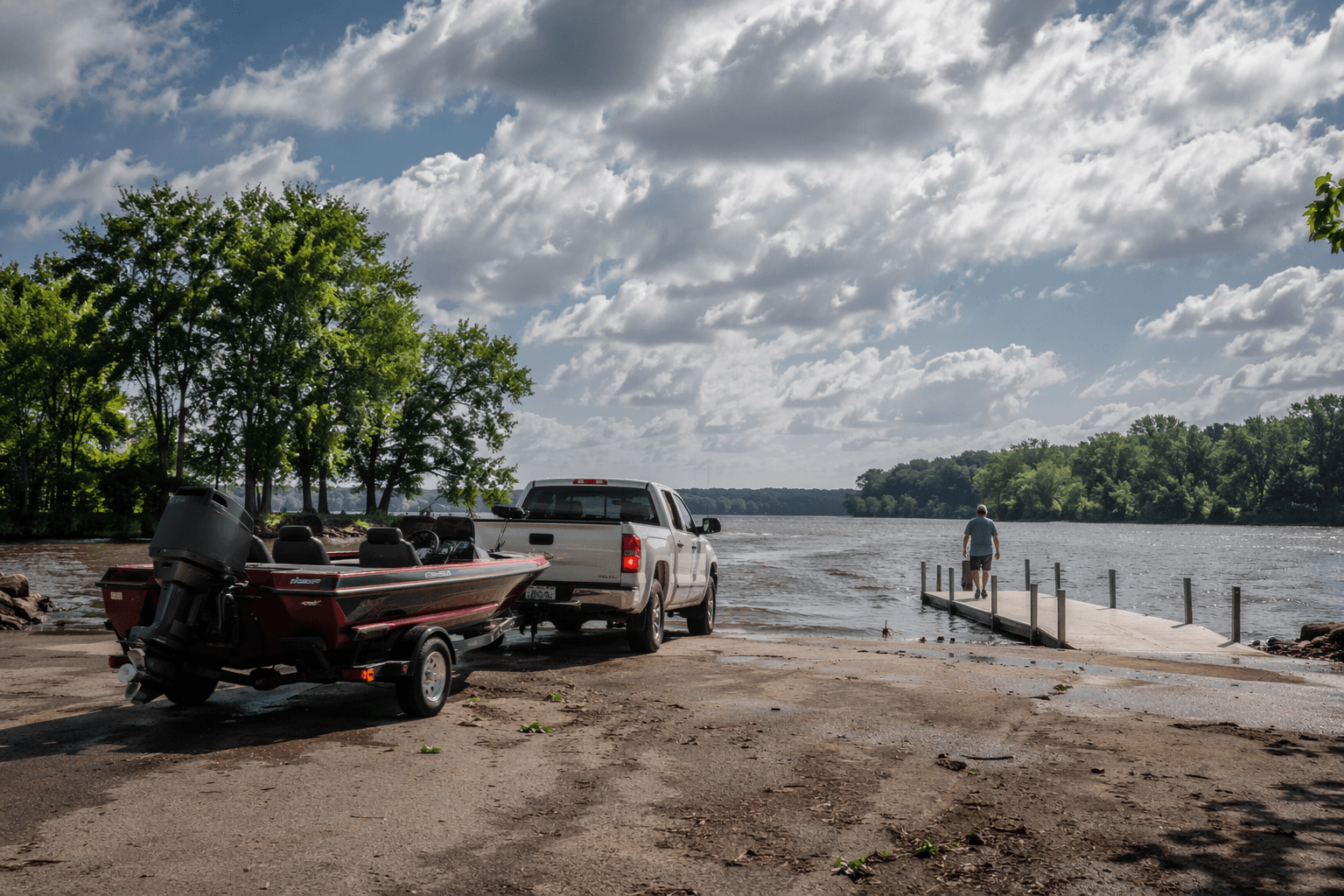
The Phillips County side of Mississippi River State Park is built for a short, workable outing, not a vague Delta drive-by. Storm Creek Lake Recreational Area in Helena-West Helena, Hornor Neck Lake, and the Hornor Neck Wildlife Viewing Trail give local families a real place to launch, walk, fish, and watch birds without leaving the county behind. That matters because the park’s footprint is specific and legible here: Arkansas State Parks places it on the southern end of Crowley’s Ridge, against the Mississippi River, inside the St. Francis National Forest.
Where to start in Phillips County
If you want the most practical entry point, start with the county-side areas Arkansas.com lists in Helena-West Helena. Storm Creek Lake Recreational Area has a boat ramp and a day-use beach, which makes it the easiest place to build a morning around water access, a short walk, and time outside without needing a long backcountry plan. Hornor Neck Lake adds another county-side stop, along with the Hornor Neck Wildlife Viewing Trail, which gives birders and casual walkers a simple trail option close to the water.
The park is not a single roadside pull-off. Arkansas State Parks describes it as a special use area within the St. Francis National Forest, designed to provide quality access to the forest while connecting visitors to the River, Delta, and Crowley’s Ridge. That setup gives Phillips County something specific to offer: a cluster of outdoor access points that can fit into a half-day or a full-day outing.
A one-day route that stays practical
A sensible Phillips County day begins at Storm Creek Lake, where the boat ramp and beach make the site easy to use whether the goal is paddling, a picnic, or a quick family stop. From there, move to Hornor Neck Lake for the wildlife viewing trail, especially if the trip is about walking rather than launching gear. Finish the day with a longer loop near Bear Creek Lake, where the park’s First Day Hike event uses the Bear Creek Lake Nature Loop, a 1-mile trail that takes about an hour.
That route keeps the trip grounded in the county’s actual access points instead of turning the park into a generic scenic overview. The park brochure says Mississippi River State Park covers 536 acres in six recreation areas, so the best experience comes from moving between those smaller pieces rather than expecting one big central complex. The scale is modest, but that is part of the appeal for families, first-time visitors, and people who want a day trip that does not require a major drive inside the park itself.
What you can do there
The park’s activity list is broad for a forest-and-river setting. Arkansas.com says visitors can fish, paddle, hike, camp, and watch wildlife, and the park also offers rentals for boats, kayaks, canoes, and bicycles. It has three lakes, four hiking trails, and both modern and primitive recreation areas, which means it can serve a quick afternoon outing or a longer overnight stay.
The reservation page adds an important landscape detail: the habitats include miles of hardwood forests, the sandy shores of the river, and Bear Creek Lake, Storm Creek Lake, and Horner Neck Lake. That mix explains why the park works for different kinds of visitors. Anglers get water access, walkers get short trails, and birders get the kind of edge habitat where forest meets lake and river.
Interpretive programming gives the park another layer of use. Arkansas.com lists guided hikes, paddling programs, educational talks, and special events, which makes the park more than a pass-through recreation site. For families trying to keep a day trip flexible, that variety matters because it allows the outing to shift from active to low-key without leaving the same park system.
Why the geography matters
Mississippi River State Park is one of the rare places in Phillips County where the Mississippi River, Crowley’s Ridge, and the Arkansas Delta meet in one landscape. Arkansas.com describes it as a meeting point of those three regions, and it also says the park provides access to the Trail of Tears National Historic Trail. That makes the county-side stop about more than recreation. It is also a place where geography and memory overlap.
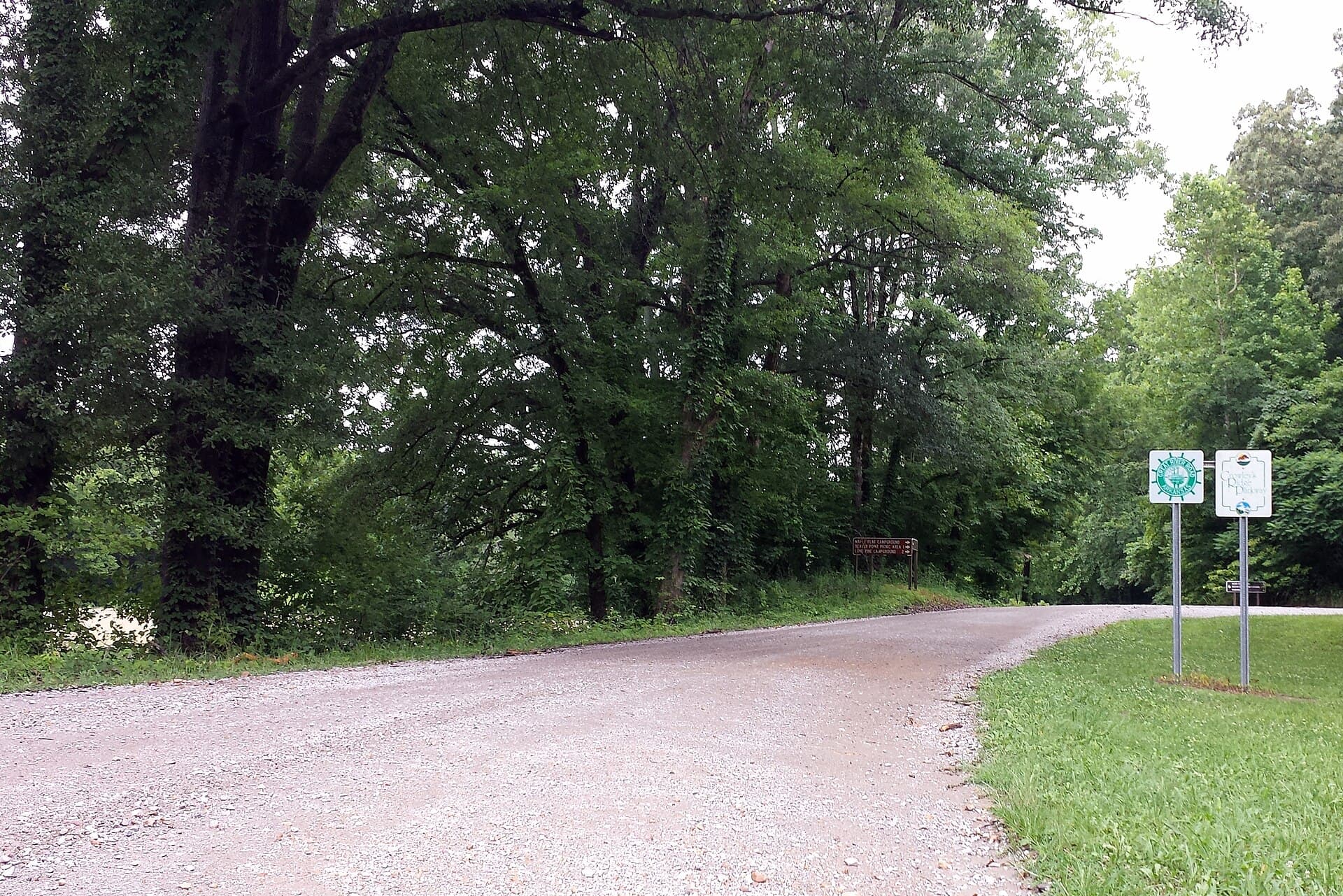
The park sits on two National Scenic Byways, the All-American Great River Road and Crowley’s Ridge Parkway, which gives it value for scenic driving as well as hiking and boating. The brochure also notes that the park operates through a special use permit from the U.S. Forest Service within the 23,000-acre St. Francis National Forest. A 2009 Arkansas Democrat-Gazette report described the park as a 550-acre project planned for Lee and Phillips counties, which shows how the site was always meant to live inside a much larger forest setting.
The local payoff for Phillips County
This is where the accountability question comes in. The park can pull people into Phillips County, but the public-facing materials emphasize outdoor access more than a commercial district, so the local economic payoff depends on whether visitors extend the trip into Helena-West Helena before or after they hit the lakes and trails. When the county-side attractions are the reason for the drive, the biggest real-world benefit is likely to come from travelers who also spend time nearby, not from people who treat the park as a quick photo stop.
The park’s layout can help that happen because it is easy to understand on the ground: a boat ramp, a beach, a wildlife trail, a lake loop, and byway access. But the experience still hinges on simple, legible entry points. If you want a park day that is family-friendly, water-oriented, and possible in one sweep, the Phillips County side delivers that. The strongest version of the trip is the one that keeps people in the county long enough to use the park and the town around it together.
This article was produced by Prism’s automated news system from verified source data, official records, and press releases, then run through automated quality and moderation checks before publishing. The system is built and supervised by the people who set the standards it runs under. Read our full AI policy.
Did this article answer your question?