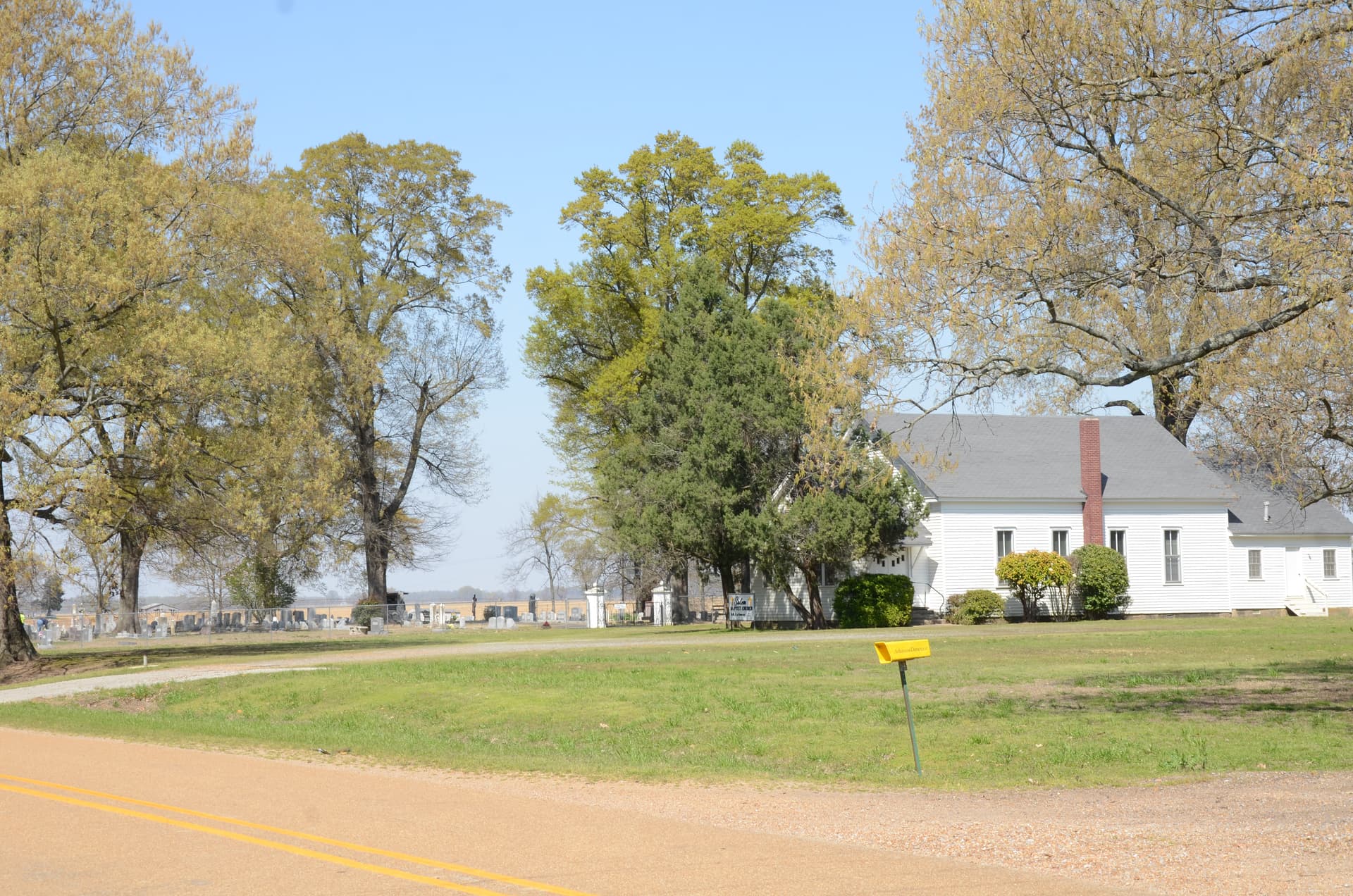
Cherry Street walk explores Helena’s historic growth and preservation
Cherry Street’s blocks map Helena’s river-era rise and today’s downtown revival, from a 1912 railroad depot to the King Biscuit Blues Festival.
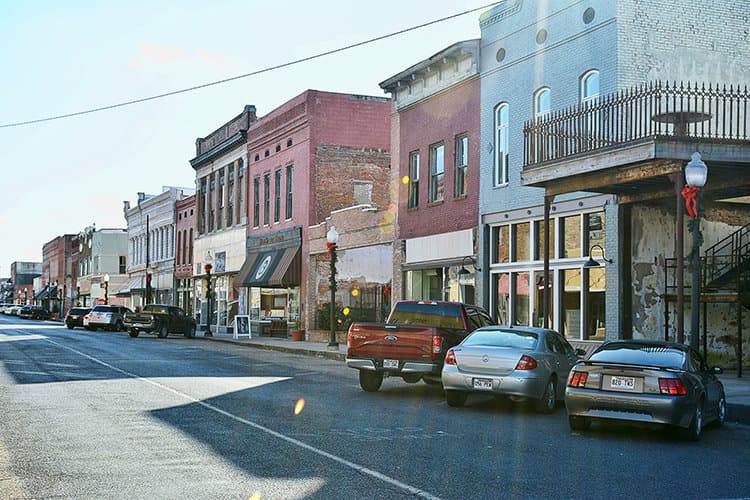
Cherry Street is more than Helena’s prettiest downtown walk. It is a compact record of Phillips County’s river economy, preserved in brick, block lines, and a district that grew enough to show how the city changed from a Mississippi River port into the historic core people still come to see today.
Start at Cherry and Missouri
Begin at the Cherry Street Pavilion, where Cherry and Missouri streets meet. That corner gives the clearest first look at how the district works now, because it sits inside a downtown landscape that still mixes preservation, tourism, and everyday civic use. From here, the Cherry Street Historic District reads as a walkable main street rather than a museum piece, with the Delta Cultural Center spread across nearby properties that keep the street active.
The pavilion also anchors one of Helena’s best-known cultural events, the annual King Biscuit Blues Festival. A block or two in either direction, the street carries both historic weight and present-day use, which is why the walk feels practical instead of ceremonial.
Why the district matters
The National Register of Historic Places listed the Cherry Street Historic District in 1987, then expanded it in 2010 to include the 100, 200, and 600 blocks of Cherry Street, plus some buildings on Missouri Street where it meets Cherry. That boundary change matters because it shows the district is not frozen in one small pocket. It grew to capture more of the street’s commercial story, including blocks that help explain how the downtown core developed over time.
National Park Service metadata identifies the district’s areas of significance as commerce, architecture, and landscape architecture. It also classifies the district’s architectural style as Early Commercial, which fits the street’s practical look and its original role as a business corridor. The boundary increase file adds another layer: the expanded area sits adjacent to the existing district and is protected by a local historic preservation ordinance, a reminder that preservation here is not abstract. It is part of how Helena manages its downtown identity today.
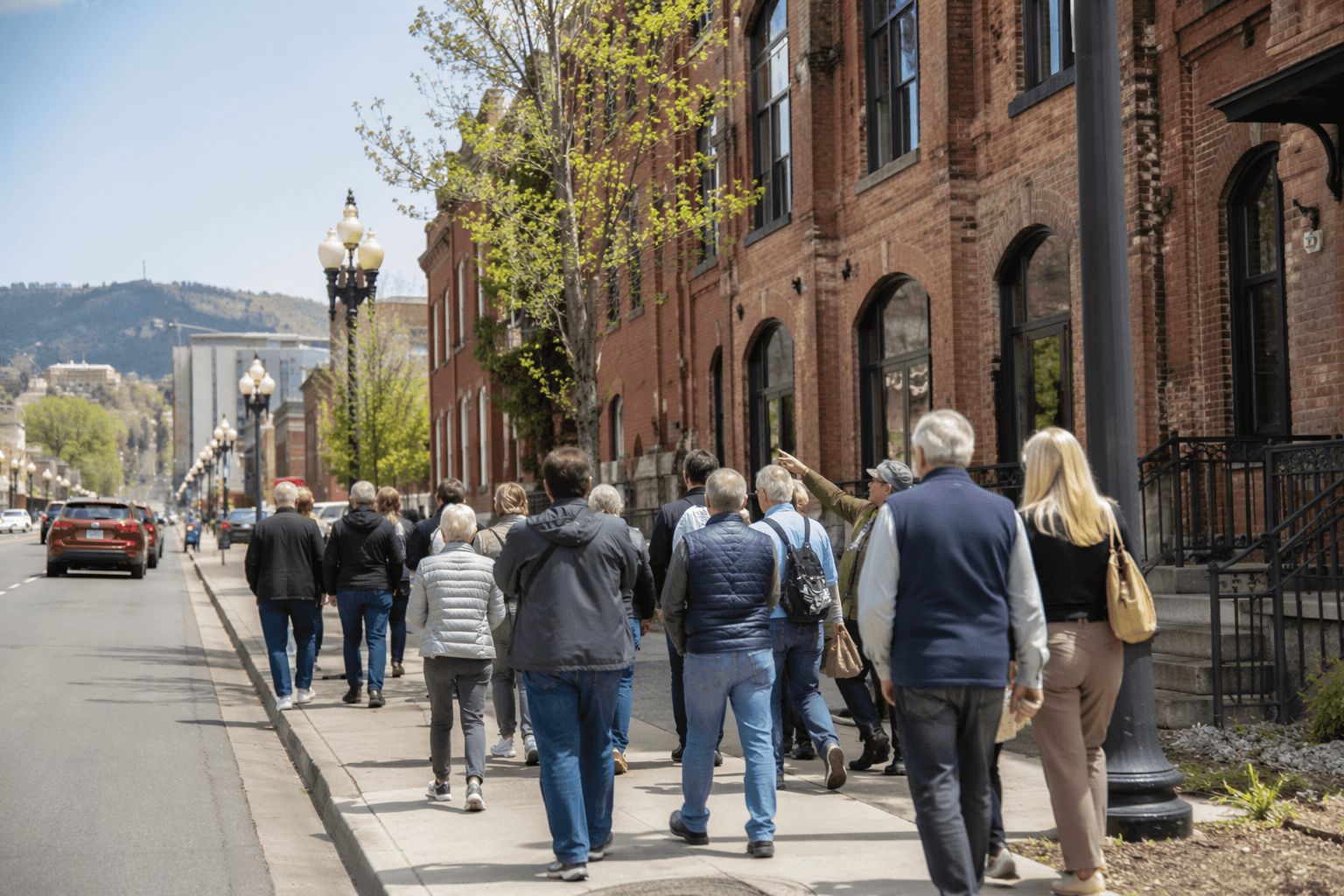
The listed periods of significance, 1900-1924, 1925-1949, and 1950-1974, show how long Cherry Street remained important as Helena evolved through the 20th century. That makes the district useful not just for architecture lovers, but for anyone trying to understand how a river town kept adapting without losing its main street.
Follow the blocks
If you want to picture the district on foot, think in blocks. The original historic core centered on the 300, 400, and 500 blocks of Cherry Street, then the 2010 boundary increase pulled in the 100, 200, and 600 blocks, along with selected Missouri Street buildings. That structure helps you walk the street as a sequence, rather than as a single snapshot.
The farther you move from Cherry and Missouri, the more the street reveals about Helena’s commercial growth. Cherry Street’s older buildings were shaped by the needs of trade, not by ornamental planning. Their scale, spacing, and storefront character reflect a downtown built to serve merchants, travelers, and the river traffic that once fed the local economy.
Helena’s river economy built the street
Cherry Street did not develop in isolation. Phillips County was created in 1820, Helena was laid out the same year, became the county seat in 1830, and was incorporated in 1833. Those dates matter because they place the street inside a very early county and town system, one that grew quickly around the Mississippi River.
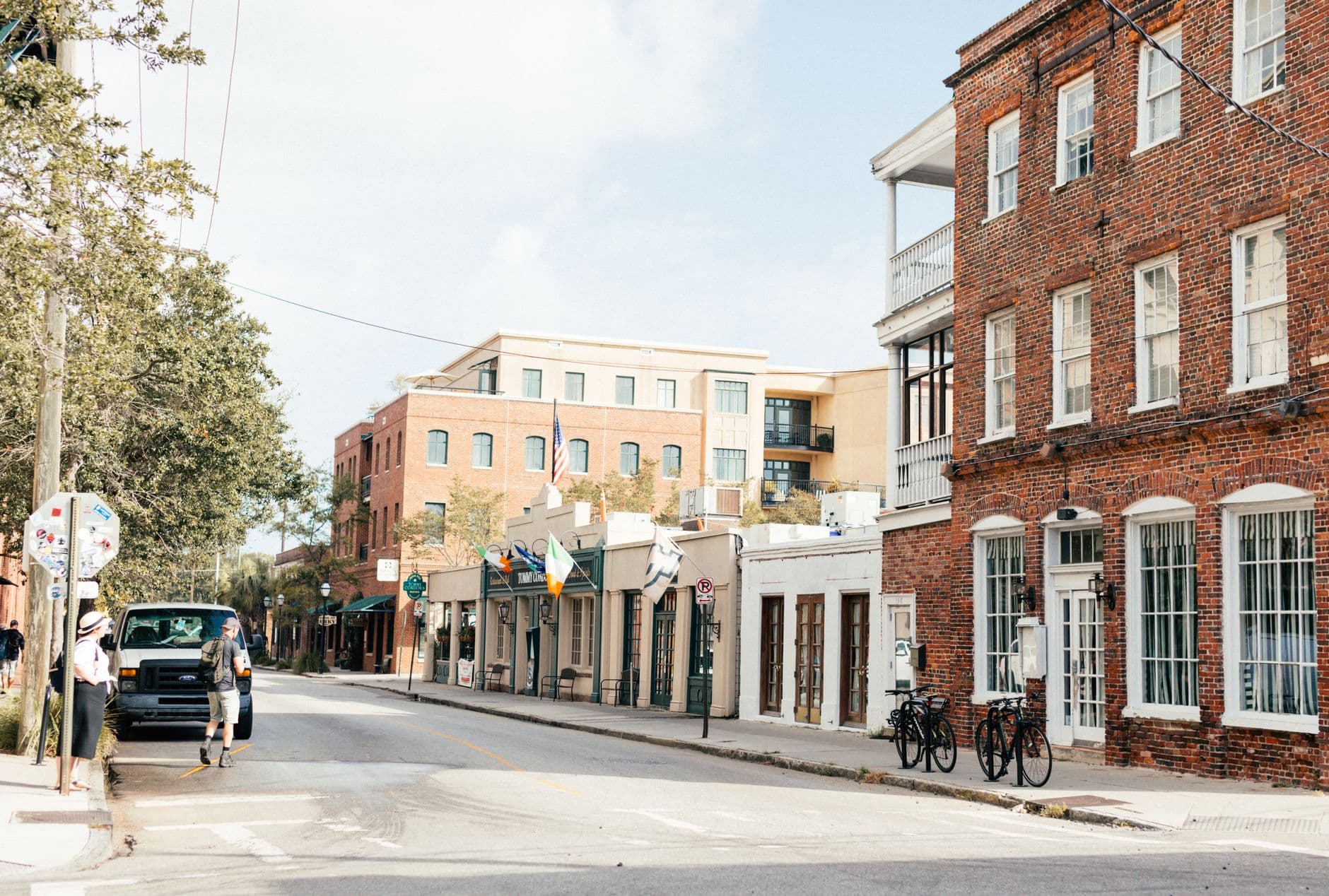
Historic Helena was a steamboat port where boats stopped for supplies and fuel, cotton and timber moved out, and finished goods moved in. That exchange explains why downtown still feels like a commercial corridor instead of a decorative historic enclave. The street was built to serve movement, and the district still shows that logic in its layout and building types.
Historic Helena is also one of Arkansas’ oldest towns, incorporated three years before Arkansas became a state. Mark Twain later described Helena in *Life on the Mississippi* as occupying “one of the prettiest situations on the Mississippi.” That line fits the setting, but it also captures why the town’s historic streets still attract attention: the river, the ridge, and the old business district remain tied together.
Read the landscape as part of the history
Cherry Street makes the most sense when you connect it to the land around it. Helena-West Helena sits where Crowley’s Ridge meets the Mississippi River, a geographic meeting point that shaped settlement, trade, and movement. Two National Scenic Byways pass through town, the Crowley’s Ridge Parkway and the Great River Road All-American Road, which puts the district inside a larger travel network rather than at the edge of it.
Arkansas.com notes that Helena is the only downtown on the Mississippi River for the 300 miles between Memphis and Vicksburg. That statistic is not just a tourism line. It explains why a street like Cherry still carries outsized meaning for Phillips County: it remains one of the few places where river geography, downtown commerce, and local memory still overlap in one visible core.
Use the Delta Cultural Center as your anchor
The Delta Cultural Center gives the walk a practical starting point and a way to understand the district’s buildings as a connected group. Its heart lies within four properties along Cherry and Missouri streets in downtown Helena. Those include the Depot at 95 Missouri Street, a renovated 1912 Missouri Pacific railroad station, the Visitor’s Center at 141 Cherry Street, and the Miller Annex at 223 Cherry Street.
The center’s layout makes the walk easy to follow because each site sits within the same historic fabric. The Depot tells the transportation story, the Visitor’s Center places you on Cherry Street itself, and the Miller Annex extends the district’s cultural footprint farther down the block. Together, they show how preservation can support both interpretation and daily use.
The Cherry Street Pavilion adds a final layer. It is a permanent covered outdoor stage, and it hosts the annual King Biscuit Blues Festival. That use matters because it keeps the district active, not sealed off. Cherry Street still works as a public space, where heritage, music, and local identity meet in the open.
King Biscuit Time, the center’s radio broadcast, airs every weekday from 12:15 p.m. to 12:45 p.m. The schedule gives the district a daily rhythm as well as an annual one, linking Cherry Street to one of Helena’s most recognizable cultural traditions.
Why the walk still matters
Cherry Street shows how Helena’s past remains useful in the present. The district’s 1987 listing, its 2010 expansion, and its protected blocks all point to a downtown that has been formally recognized because it still explains how the city grew. For Phillips County, that means the street is not just preserved frontage. It is a readable record of the river port economy, the county seat’s early development, and the kind of downtown revival that depends on places people can still walk, use, and recognize.
This article was produced by Prism’s automated news system from verified source data, official records, and press releases, then run through automated quality and moderation checks before publishing. The system is built and supervised by the people who set the standards it runs under. Read our full AI policy.
Did this article answer your question?