Turner Historic District tells Cypert’s rural Delta family business story
Cypert’s Turner Historic District turns a family store-and-house complex into a rural Delta asset, linking Phillips County’s farm economy to tourism potential.
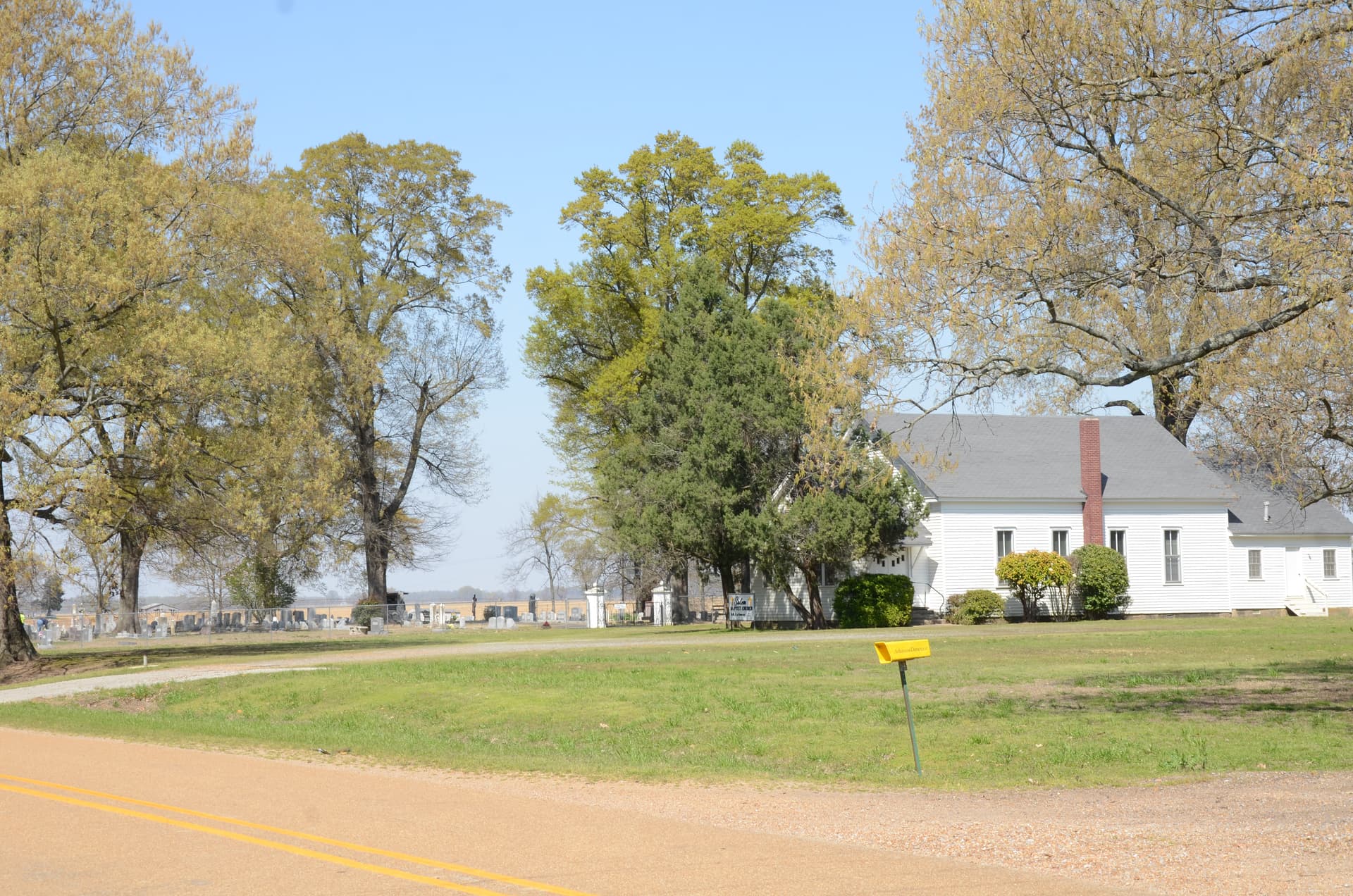
Turner Historic District in Cypert shows Phillips County history in a form that is easy to miss if you only look at Helena-West Helena’s riverfront. Here, the story is not a grand courthouse square or an industrial waterfront but a rural crossroads shaped by agriculture, commerce, and one family’s business footprint. The district’s National Park Service record, NRIS 06000073, places it inside the broader Cotton and Rice Farm History and Architecture in the Arkansas Delta multiple property submission, which makes it a compact but revealing example of how the Delta’s farm economy built communities.
A rural commercial landscape with a family name on it
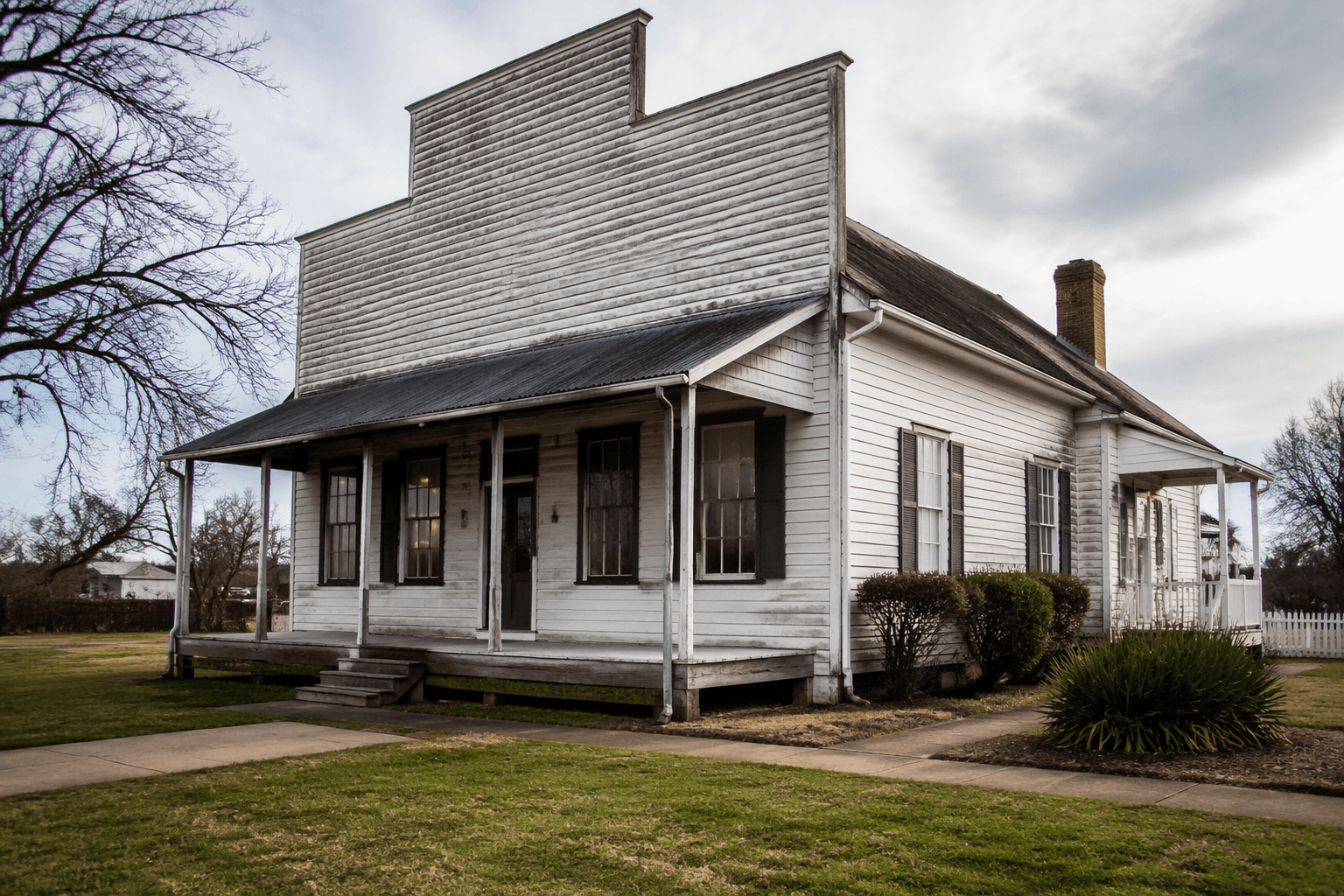
The Turner Historic District is tied to multiple names that show how closely home and business were linked in Cypert. The National Register record identifies the N.B. Turner & Son Store, the John L. Turner Store, and the John L. Turner House, with site numbers PH0423 and PH0424 attached to the resources. That is not the profile of a single-purpose landmark. It is the profile of a working place where trade, residence, and family enterprise overlapped in the same landscape.
The district’s significance is listed under architecture and engineering, commerce, and agriculture, and the National Park Service tags it with the Queen Anne style. That combination matters because it shows that even in a small Phillips County community, a commercial family property could carry design ambition while serving the everyday needs of a farm-centered economy. In other words, the district is both practical and expressive, a Delta building stock that tells you something about status, aspiration, and survival all at once.
Why the dates tell a longer story
The Turner record is especially useful because it spans several periods of significance, from 1875 to 1899, 1900 to 1924, 1925 to 1949, and 1950 to 1974. The National Park Service metadata also associates the district with the years 1895 and 1956, reinforcing that this is not a frozen one-era landmark. It is a place that mattered across generations, which helps explain why it still reads as a live piece of rural history rather than a static exhibit.
That long span is important for Phillips County because agricultural communities changed quickly across those decades. The shift from the late 19th century into the postwar era brought changes in farming, transportation, retail patterns, and household life, yet the Turner District remained legible as a family-centered place of business and residence. For readers trying to understand how Delta settlements endured, the district offers a concrete example of continuity through change.
How Cypert fits into Phillips County’s bigger map
Phillips County itself gives the Turner District added context. The county was formed on May 1, 1820, its county seat is Helena-West Helena, and the 2020 Census counted 16,568 residents across 690.36 square miles. Those numbers matter because they show a county that is still geographically large, historically deep, and split between urban and rural identity. Cypert belongs to the part of that story that often gets less attention: the farm communities and crossroads that gave the county its social and commercial fabric.
The county’s preservation record also shows that Turner is part of a broader heritage landscape, not an isolated case. A Phillips County National Register listings page says the county has 50 places on the National Register of Historic Places, including 2 places of national significance and 11 places of statewide significance. That scale gives Cypert room to be part of a countywide story rather than a one-site destination. A visitor who comes for Turner can be introduced to the larger network of places that define Phillips County’s identity.
Why the farm history framing matters now
The Arkansas Historic Preservation Program’s work on cotton and rice farm history in the Delta helps explain why the Turner District is more than a local curiosity. Its title, Get Down the Shovel and the Hoe: Cotton and Rice Farm History and Architecture in the Arkansas Delta, 1900-1955, points directly to the agricultural system that shaped communities like Cypert. The Turner District fits that frame because it sits at the intersection of farm production, local trade, and the buildings that supported both.
The same logic makes the site economically interesting today. Rural heritage tourism works best when a place has a clear story, visible resources, and a reason for visitors to stop rather than just pass through. Turner has the raw materials for that: named buildings, a family business history, a recognized architectural style, and a place in the Delta’s cotton and rice economy. Those are the ingredients that can turn a little-known site into a destination with local spending attached to it, even if the initial visitor numbers are modest.
What it would take for Cypert to become a stop, not a drive-by
To turn Turner into a destination, the story has to be easy to read on the ground. The most effective approach would build around the district’s existing National Register identity and its linked resources, especially the store and house tied to the Turner family. Clear signage, a concise walking or driving stop, and a way to connect the site to the county’s broader historic map would make the district more legible to people who are not already experts in Delta history.
Three themes should anchor that interpretation:
- agriculture, especially the cotton and rice economy that shaped settlement
- commerce, through the N.B. Turner and John L. Turner store resources
- family life, through the John L. Turner House and the overlap between home and business
That kind of framing would give Cypert a story line that is different from Helena’s riverfront districts but equally rooted in place. It would also give Phillips County another reason to keep locals and visitors moving across the county instead of concentrating every historic stop in one corridor.
Why local institutions matter in that effort
The Helena Museum of Phillips County already offers historical context for county communities, and the Phillips County Historical Society is another natural partner for preserving and explaining places like Turner. Together with the National Park Service and the Arkansas Historic Preservation Program, those institutions give Cypert a support network for interpretation, research, and public-facing history. That matters because rural sites often need more than designation to gain traction; they need a story people can follow and institutions that can keep that story visible.
Turner Historic District is valuable because it shows Phillips County as a place where farms, stores, houses, and family names were woven together into one working landscape. If Cypert chooses to present that landscape clearly, the district can do more than preserve memory. It can help broaden the county’s heritage economy by drawing attention to the rural Delta as a destination in its own right.
This article was produced by Prism’s automated news system from verified source data, official records, and press releases, then run through automated quality and moderation checks before publishing. The system is built and supervised by the people who set the standards it runs under. Read our full AI policy.
Did this article answer your question?