Delta Cultural Center Showcases Phillips County Landscapes, Expands Educational and Community Programs
The Delta Cultural Center at 141 Cherry St. showcased Phillips County landscapes and Delta history and expanded school and family programs that strengthen local education and community ties.

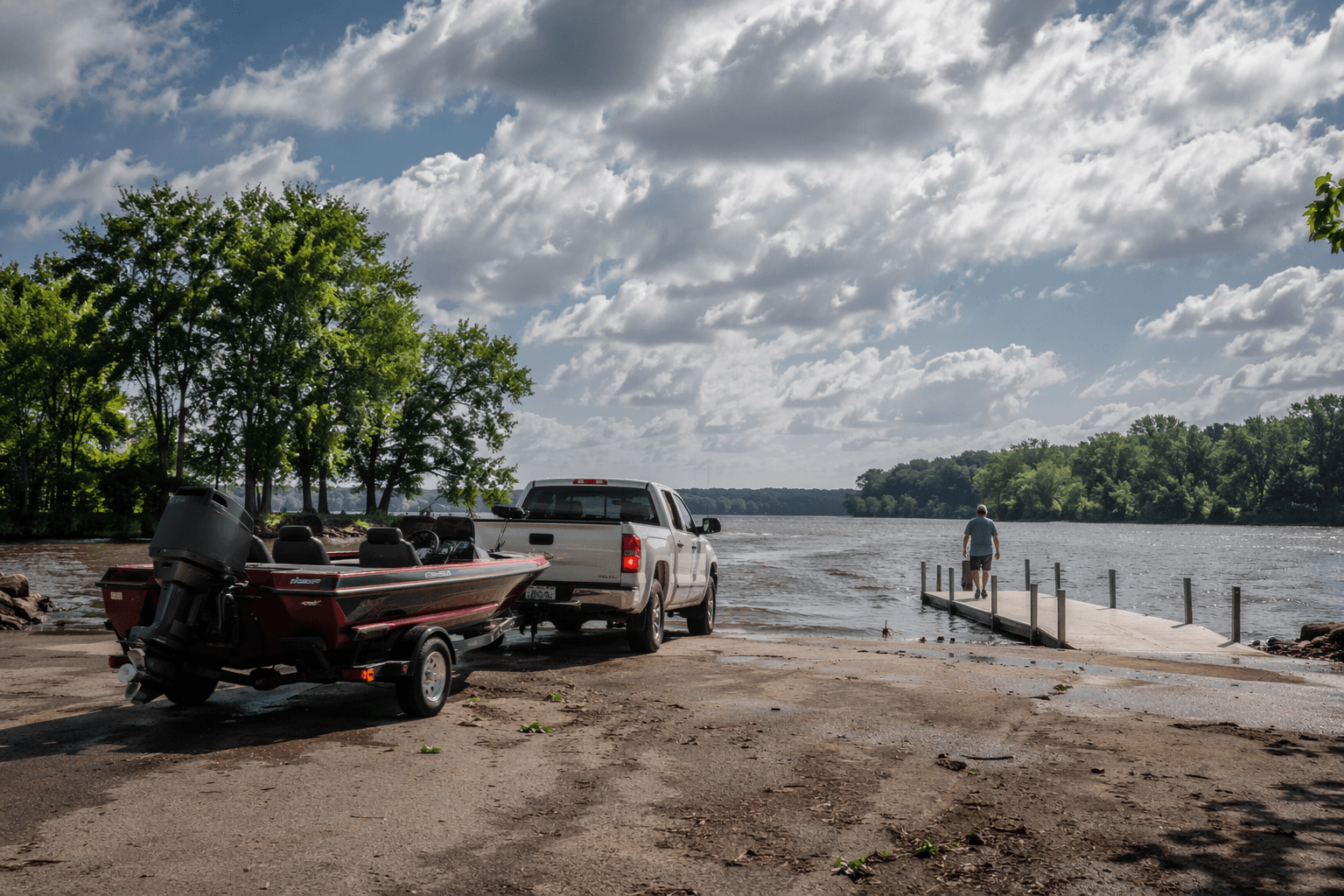
The Delta Cultural Center at 141 Cherry St., Helena-West Helena, put Phillips County landscapes and Delta history front and center with recent exhibitions and an expanded slate of educational and community programming. The January exhibit "Where the Waters Meet: Relic Boundaries in the Arkansas Delta," featuring photographs by Andrea A. Gluckman, ran earlier in January 2026 and highlighted local waterways, fields, and the layered stories of the Delta region.
As Phillips County’s principal cultural-history museum and event venue, the Delta Cultural Center continues to host gallery openings, talks, rotating local-artist showcases, student-focused education sessions, and family activities. Those programs reinforce classroom learning for local students, provide intergenerational gathering spaces for families, and feed regional tourism initiatives such as the Arkansas Delta Byways and local heritage trails.
Cultural programming at the center carries public health and social equity implications for the county. Regular arts and history offerings support mental well-being by creating safe spaces for storytelling and community connection, and partnerships with schools help broaden access to arts education for children who face limited extracurricular options. Strengthening ties between the Delta Cultural Center and local schools also supports workforce development in heritage tourism and hospitality by exposing students to careers connected to the region’s history and natural resources.
Economic and community benefits extend beyond education. Exhibits that emphasize Phillips County landscapes can boost local visitation and spending in Helena-West Helena, a modest but meaningful source of revenue for small businesses and service providers. Collaboration with regional heritage trails helps integrate the county’s museums and sites into larger tourism circuits, which can attract day-trippers and longer-stay visitors who contribute to the local economy.
At the same time, access challenges remain. Transportation, program timing, and ticketing costs can limit who benefits from museum offerings. Addressing those barriers will require coordination among cultural leaders, school administrators, public health officials, and county policymakers to ensure programs reach residents across income levels and neighborhoods.
For residents planning visits or group trips, the Delta Cultural Center maintains an events calendar and handles ticketing and group-visit arrangements directly. The center’s role in preserving Phillips County’s landscapes and stories, while expanding student and family programming, points to a broader effort to build civic resilience through culture. Continued investment in these partnerships promises both immediate educational enrichment and longer-term gains in community health and economic opportunity.
This article was produced by Prism’s automated news system from verified source data, official records, and press releases, then run through automated quality and moderation checks before publishing. The system is built and supervised by the people who set the standards it runs under. Read our full AI policy.
Did this article answer your question?