Delta Heritage Trail turns old rail line into Phillips County asset
The Delta Heritage Trail is turning a former rail corridor into a usable Phillips County asset, with trailhead access, open segments and room for more growth.

The Delta Heritage Trail gives Phillips County something rare: a recreation route that also explains the county’s rail history, farm geography and settlement pattern in one long strip of land. Built along a former Union Pacific corridor, the park already offers a place where residents and visitors can walk and bike in manageable sections instead of treating the Delta as something to pass through at highway speed.
A rail line remade as public land
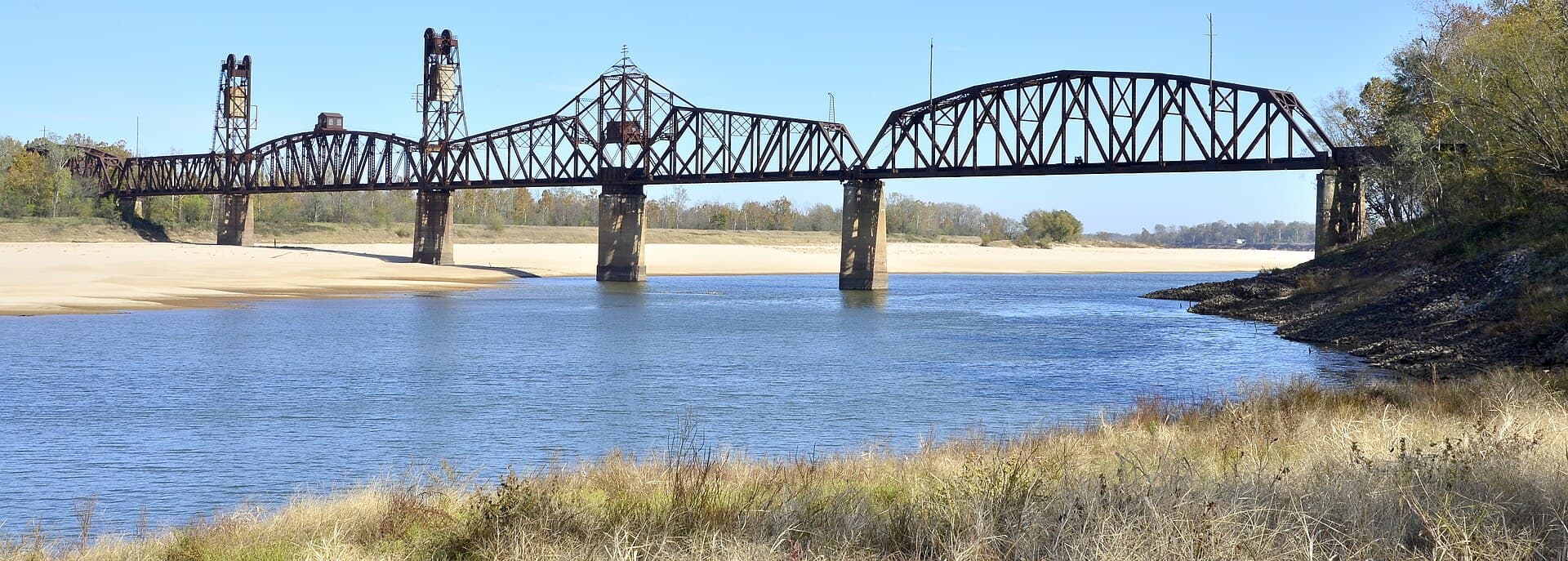
The trail stretches along 73 miles of former Union Pacific Railroad right of way through Phillips and Desha counties. The project began after Union Pacific told the state in 1991 that the line might be abandoned, and Arkansas acquired the land in 1992 before dedicating the park in 2002. The first hiking and biking segment opened from Helena Junction near Lexa to Barton, turning a piece of railroad infrastructure into a public asset that can be used for exercise, day trips and low-cost outdoor time close to home.
By 2014, 21 miles had already been developed, and that number shows how the park has grown in stages rather than all at once. That phased buildout matters in Phillips County because it makes the trail understandable as an evolving local investment, not a finished attraction that arrived fully formed. Each mile converted from rail bed to trail adds to the county’s recreation inventory and extends the reach of a corridor that once moved goods instead of people at leisure.
Where the trail fits in Phillips County
This is not a generic greenway with no local anchor points. The route threads through named Phillips County communities and follows the old geography of rail-dependent settlement, agricultural access and river-flat travel. Helena Junction near Lexa is the starting point of the first segment, and Barton marks the other end of that opening stretch, giving the trail a clear northern Phillips County footprint.
That geography is part of the trail’s value. It connects places that were historically linked by freight rail and farm movement, then repurposes that line for walking and cycling. For residents, that means the trail can function as a nearby outing instead of a destination that requires a long drive, and for outside visitors it turns Phillips County into a place with a legible route and identifiable stops rather than a blank spot between towns.
What you can do there now
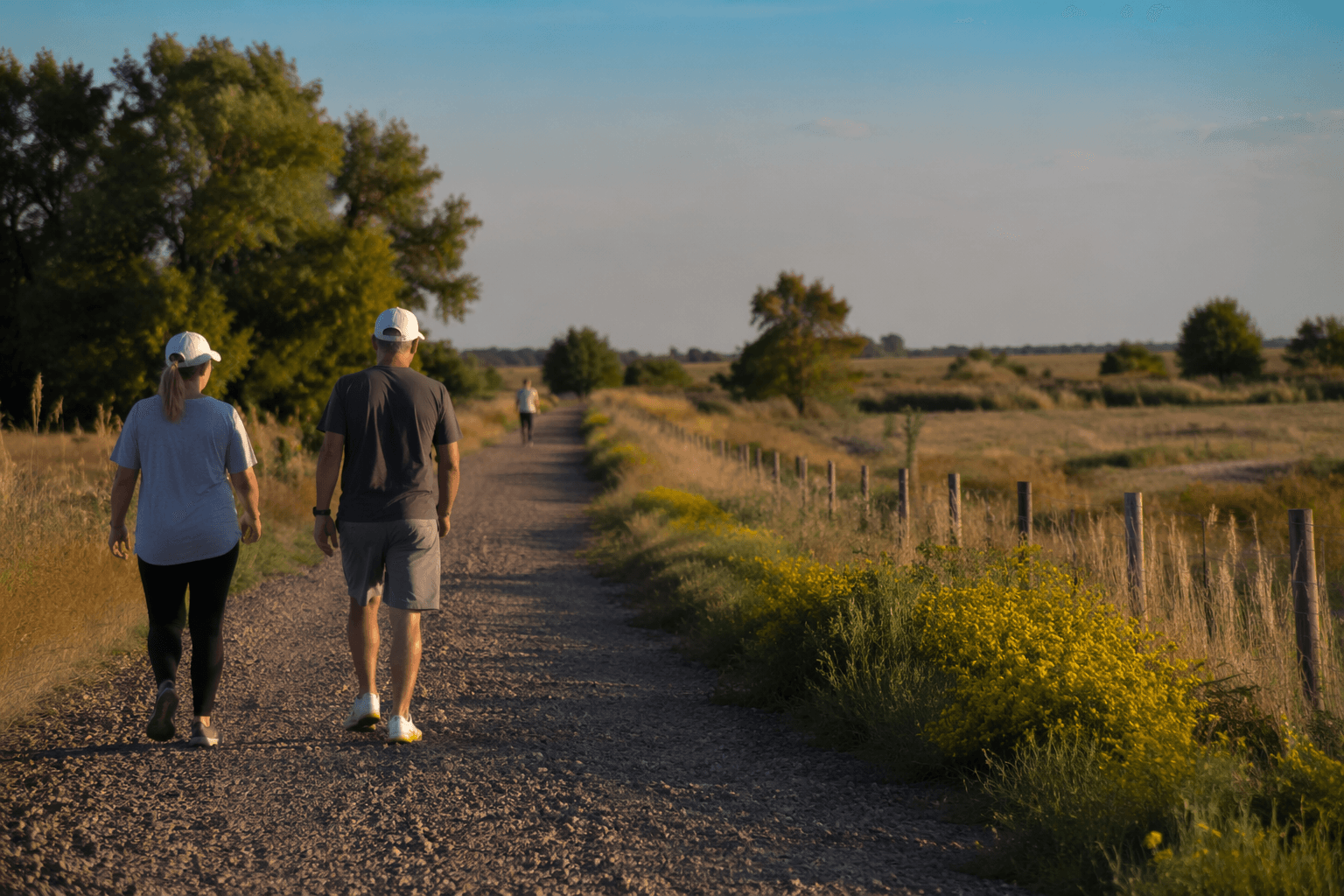
The trail is built to be used in sections, which is one of its biggest practical strengths. Arkansas State Parks describes it as a historic rail route that connects communities and reveals Delta heritage, and the trail system is intended for walking and cycling across remote and scenic stretches of eastern Arkansas. In plain terms, that makes it suitable for short outings, longer rides and repeat visits that do not require tackling the full corridor in one trip.
The trailhead and visitor center near U.S. 49 are especially important because they give the route a real gateway. A trail with a defined entry point is easier to use, easier to explain to newcomers and easier to fold into a family day, school outing or weekend ride. That kind of access turns the park from a line on a map into a place people can actually start from, pause at and return to.
Why the trail matters beyond recreation
The strongest case for the Delta Heritage Trail is that it converts abandoned infrastructure into usable value. The former rail line once served the Delta’s transportation needs; today it serves county life in a different way, by supporting outdoor recreation and tourism potential while preserving the corridor’s historical meaning. That is a long-term asset for Phillips County because it keeps land in public use and gives the county another reason for people to spend time there.
It also carries an economic logic that reaches beyond the trail itself. Visitors who come for biking or walking need fuel, supplies and places to stop, which makes the trail a quiet support system for small businesses near the route and around its access points. The trailhead near U.S. 49 strengthens that effect by creating a place where traffic can enter the county’s trail system in a predictable way, rather than scattering visitors across back roads with no clear starting point.
What still limits its full impact
The trail’s biggest limitation is also the sign that more value is still being built: it is only partly complete. With 73 miles planned through Phillips and Desha counties and just 21 miles developed by 2014, the corridor remains a work in progress. That means the county has a real asset now, but not yet the full connected route that would maximize long-distance use and make the entire line feel seamless.
The sectioned nature of the trail helps with accessibility, but it also reflects the reality of a route that is still being assembled. Remote and scenic stretches can be appealing, yet they also mean users need to plan around distance, weather and the spacing of access points. The trail’s future value will depend on continued development, on keeping the existing segments usable and on making sure the gateway near U.S. 49 continues to work as a clear entry point for people coming from inside and outside the county.
A county story written in the landscape
The Delta Heritage Trail works because it does more than offer a place to walk or ride. It tells a Phillips County story in physical form: rail corridor to public park, freight route to recreation trail, abandoned infrastructure to lasting local use. From Helena Junction near Lexa to Barton, and through the 73-mile corridor that still defines the project, the trail gives the county an asset with history, utility and room to grow.
This article was produced by Prism’s automated news system from verified source data, official records, and press releases, then run through automated quality and moderation checks before publishing. The system is built and supervised by the people who set the standards it runs under. Read our full AI policy.
Did this article answer your question?