Delta Magic spotlights Helena-West Helena's blues, parks and history
Helena-West Helena’s best summer story runs from free blues history downtown to river trails and the Pillow-Thompson House, each stop tied to the city’s future.

Helena-West Helena is easiest to understand by walking it. Start in historic downtown Helena, move to the riverfront, then out to the trail system and the old homes that still define the skyline, and the city’s identity comes into focus: a small Mississippi River place with a big cultural footprint, where blues, architecture, public art and outdoor access do more than attract visitors. They help explain why Phillips County keeps investing in place, pride and preservation.
A city with one map and a long memory
Helena-West Helena describes itself as a historic Mississippi River city rooted in the culture, resilience and spirit of the Arkansas Delta, and that phrase is more than civic branding. Helena was incorporated in 1833, West Helena in 1917, and the two communities merged on January 1, 2006, which means the city’s heritage now reads as one shared story rather than two separate ones.
Phillips County, established on May 1, 1820, had 16,568 residents in the 2020 census, while Helena-West Helena had 9,519. Those numbers matter because they show the scale of the place: a county seat and river city small enough that a festival, a restored block or a new visitor stop can make a real difference in how people move, spend and stay. In a community this size, cultural assets are not decoration. They are part of the local economic base.
Downtown Helena is still the city’s strongest stage
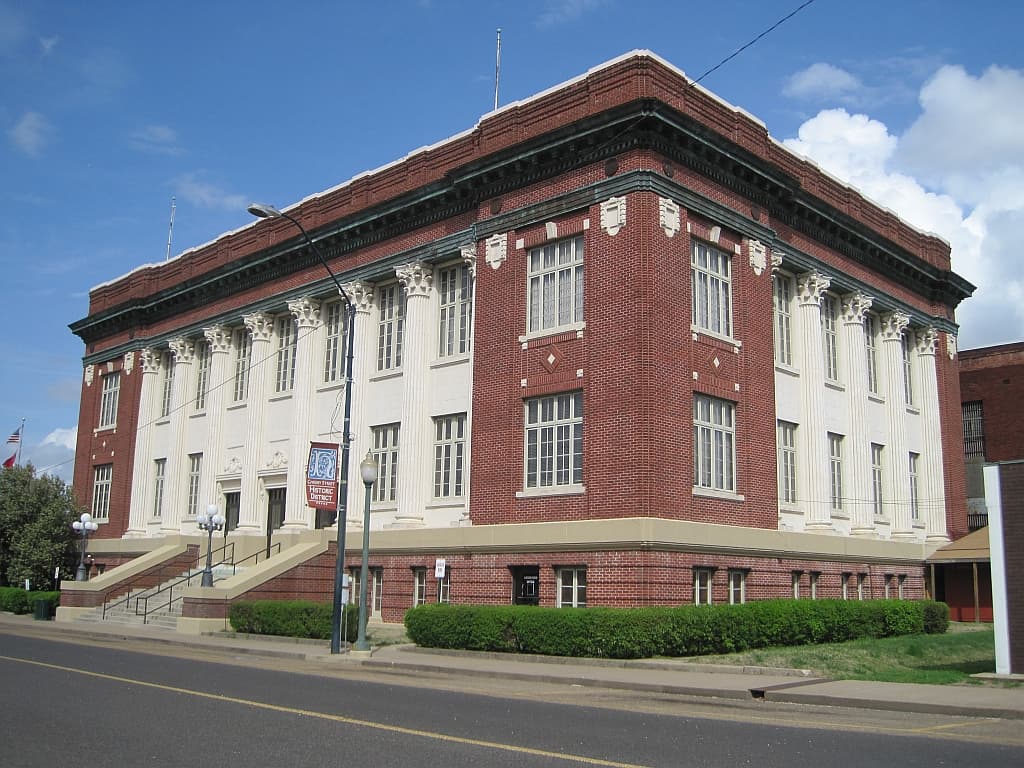
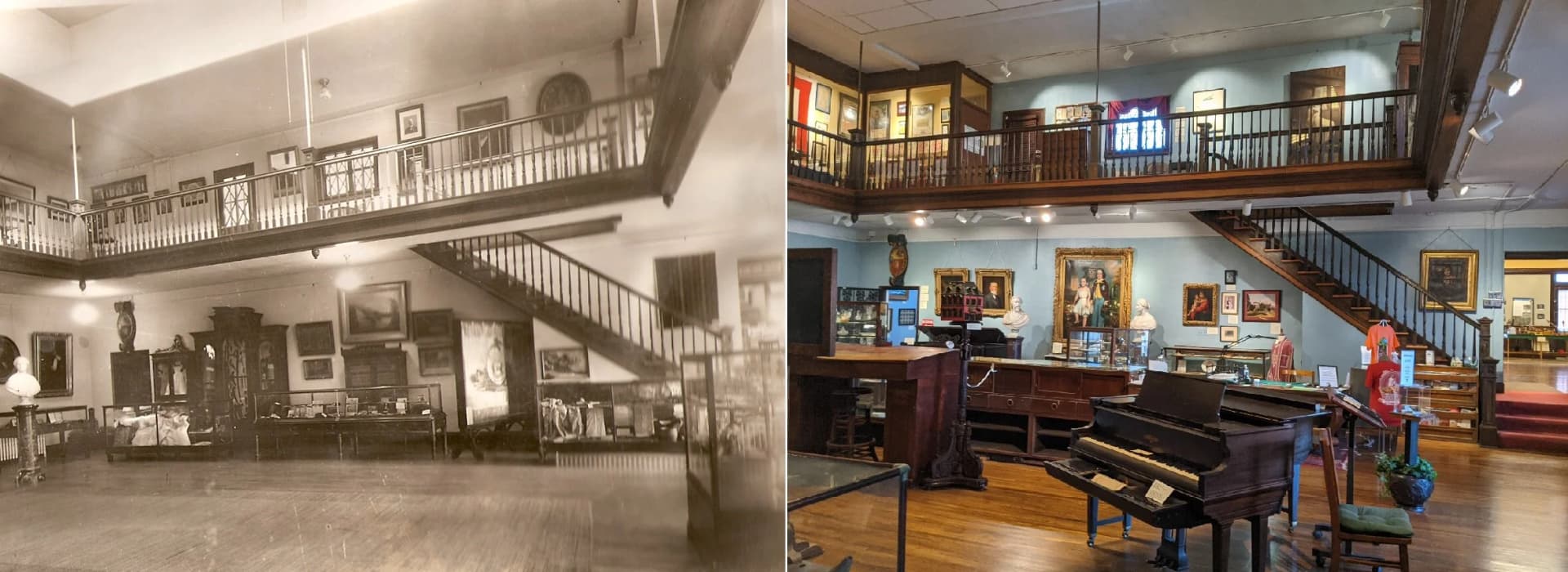
The clearest place to begin is the Delta Cultural Center in historic downtown Helena. Opened in 1990, the center interprets the heritage of the 27-county Arkansas Delta through exhibits, educational programs, historic properties and guided tours, and admission is free. That matters for families, return visitors and anyone looking for an easy entry point into the city’s story without paying a gate fee.
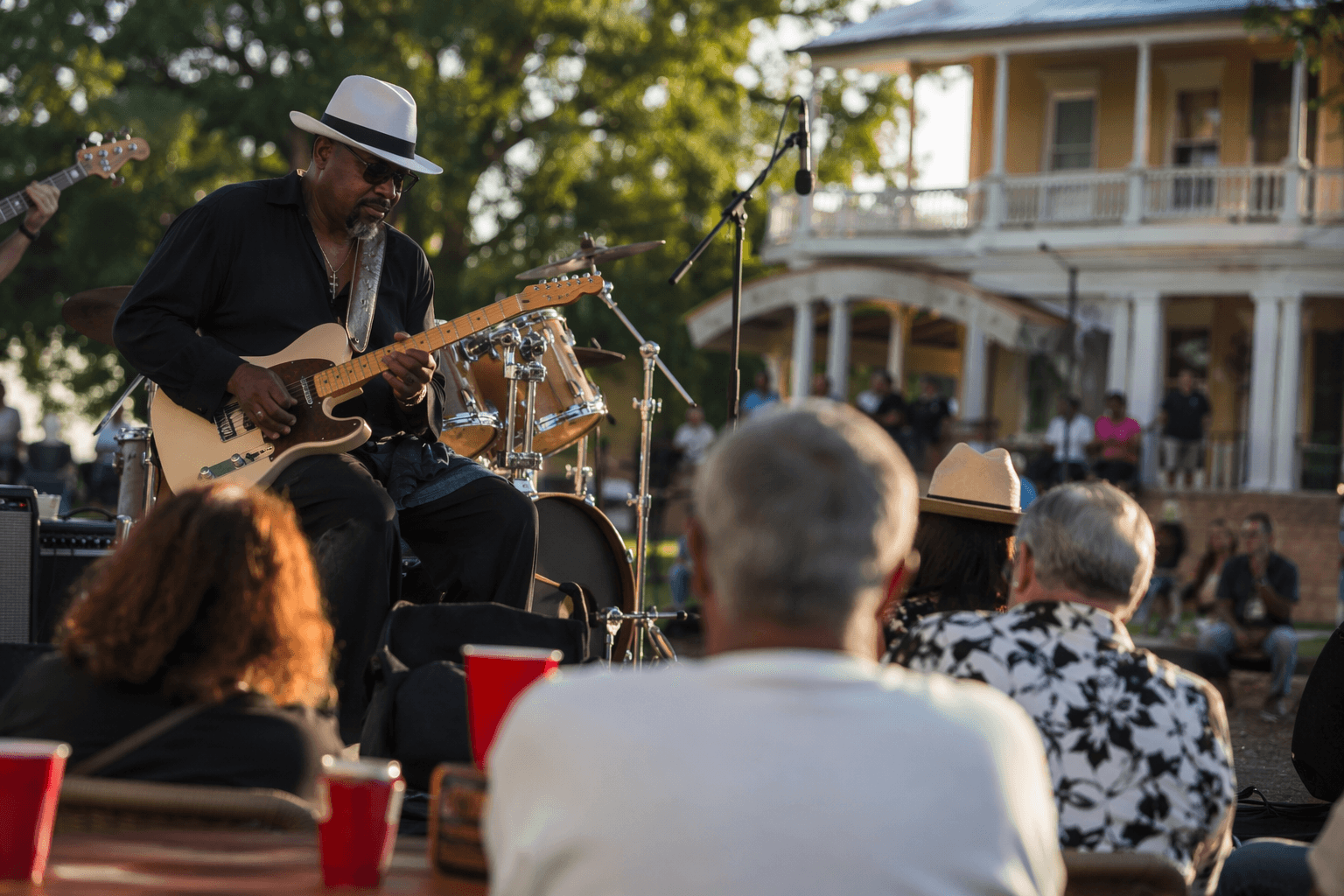
The center also ties Helena to one of its most recognizable music landmarks: King Biscuit Time, widely described as the longest-running daily blues radio show in the country. That connection gives the city a name that reaches well beyond Phillips County, but it also gives locals something tangible to point to when they talk about Helena’s place in blues history.
That institutional backbone stretches back even further. In 1989, a group of Arkansas residents, professionals and other stakeholders presented a master plan for the Delta Cultural Center to Governor Bill Clinton, and Main Street Helena says it has been working along the banks of the Mississippi since 1984. Its focus on economic restructuring, promotion and innovative design shows how downtown preservation has long been tied to practical redevelopment, not just nostalgia.
- start at the Delta Cultural Center for the history and exhibits
- look for the mural on the downtown levee wall at Cherry and Missouri streets, which depicts blues musicians connected to Helena
- move through the historic blocks where Main Street Helena’s preservation work is visible in the streetscape
For a summer visit, the downtown walk can be simple and rewarding:
The broader mural trail adds another layer. Delta Magic’s Helena Mural Trail identifies 24 unique murals across Helena-West Helena, which gives residents and visitors a self-guided cultural route rather than a single photo stop. Public art works best when it becomes part of daily movement, and here it does exactly that.
Historic homes and Civil War memory still shape the city
Helena’s past is not confined to museums. The Pillow-Thompson House, built in 1896, is described as one of the finest examples of Queen Anne architecture in the South, and it is the only home in Helena open to the general public for tours. Visit Helena also describes it as the only Victorian home in Arkansas with full-wood construction, which makes it one of the city’s most distinctive preservation assets.
That kind of detail gives the city’s architecture real weight. It is not just an attractive façade for a weekend drive. It is a record of the building craftsmanship, wealth and ambitions that helped shape Helena’s historic streets and still give the city a strong visual identity today.
The battlefield history carries equal force. Helena is closely associated with the Battle of Helena in July 1863, a Union victory after Confederate forces attacked in an effort to relieve pressure on Vicksburg. The city remained an important Union enclave in the Trans-Mississippi theater, and that military past helps explain why Helena’s historical appeal is layered rather than single-note. River commerce, wartime memory and architecture all overlap here.
The riverfront and trail system are part of daily life, not just tourism
Helena’s outdoor appeal is just as specific. Visit Helena highlights riverfront recreation, fishing, boating, birdwatching, hiking and biking, and those activities fit the city’s geography instead of sitting apart from it. Helena River Park gives the community a riverfront place to gather, while Crowley’s Ridge adds another landscape dimension that helps separate Helena from more ordinary Delta towns.
The Delta Heritage Trail is one of the strongest examples of how that landscape has been turned into public use. Arkansas State Parks acquired the trail in 1993, and about 40 miles near Helena are completed and open to hikers and bicyclists. For a place with a modest population, that is a meaningful asset: it offers exercise, family outings and low-cost recreation, while also giving visitors a reason to stay longer.
The trail and the city’s cultural sites also connect Helena to broader travel networks. The Delta Cultural Center is an official interpretive center for the Great River Road and the Crowley’s Ridge Parkway National Scenic Byways, which places local attractions inside a larger regional route system. That kind of designation helps turn a day trip into a multi-stop itinerary and makes the city easier to fit into Arkansas Delta travel planning.
Why these places matter to Phillips County’s future
The preservation and tourism strategy behind all of this is not new. Helena was designated a Preserve America Community in August 2005, and the Advisory Council on Historic Preservation says the city’s preservation plan offers a blueprint for infrastructure needed to support increased tourism. That is the practical side of the story: preservation is not only about protecting old buildings, but also about building the sidewalks, programming and visitor confidence that keep them useful.
That is why the Delta Magic feature lands at the right moment for Phillips County. It reminds residents that Helena-West Helena already has the raw materials for civic and economic resilience: blues history, free museum access, murals, a nationally known radio tradition, a signature historic house, riverfront parks and a trail network with room to grow. In a city of 9,519 people, those places matter because they shape how the community sees itself and how outsiders decide to spend time here.
This article was produced by Prism’s automated news system from verified source data, official records, and press releases, then run through automated quality and moderation checks before publishing. The system is built and supervised by the people who set the standards it runs under. Read our full AI policy.
Know something we missed? Have a correction or additional information?
Submit a Tip