Heat advisory warns Phillips County of dangerous 109-degree heat index
Phillips County faced a heat index near 109 degrees as the advisory hit Helena-West Helena, Marvell, Elaine and Lake View, with seniors and outdoor workers most exposed.
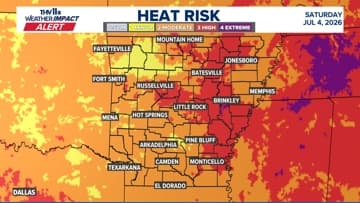
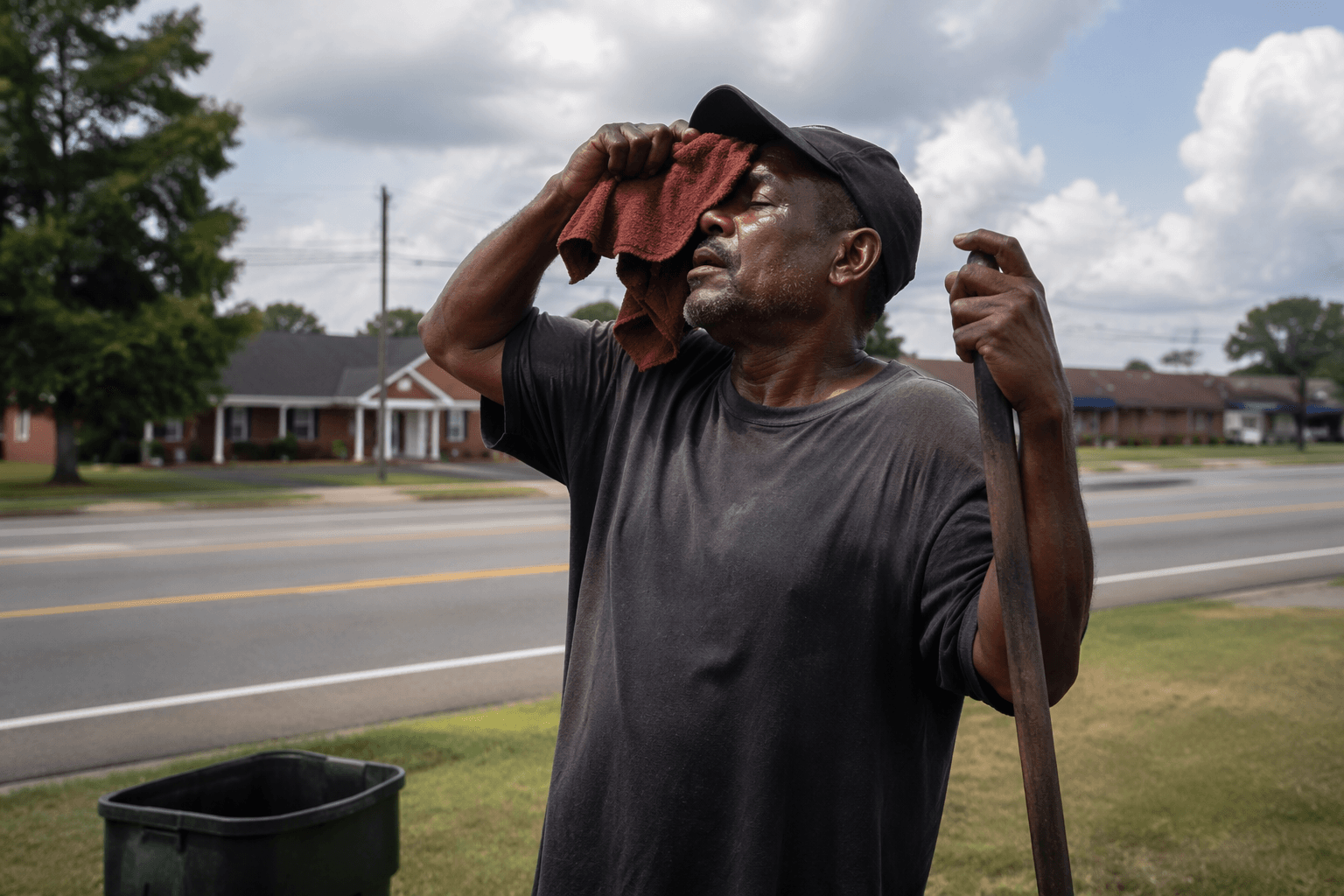
A heat advisory posted July 9 warned that Phillips County and the rest of the Arkansas Delta could see heat index values climb to 109 degrees through 8 p.m. July 10. In Helena-West Helena, Marvell, Elaine, Lake View and the county’s rural stretches, the heat posed the highest risk to outdoor workers, older residents, children and families without reliable air conditioning.
The National Weather Service in Memphis warned that portions of eastern Arkansas and northwest Mississippi were running heat index values between 105 and 109 degrees, with some places potentially pushing 110. That is the range where the agency typically issues a heat advisory over a fairly large area, and near 110 degrees is the kind of heat that can trigger an extreme heat warning. Humidity keeps sweat from evaporating efficiently, which means the body loses one of its main ways to cool itself.
Phillips County has 16,568 residents, about 22.7% of them age 65 or older, according to the U.S. Census Bureau’s QuickFacts profile. The county’s median household income was $40,134, and 9.9% of residents under 65 lacked health insurance. With about 690.4 square miles of land, even basic travel between towns can mean long stretches outside in the heat, and Helena-West Helena, the county seat, had an estimated population of 8,872 in 2022.
Heat stress happens when the body cannot cool down properly, and warning signs include muscle cramping, unusually heavy sweating, dizziness, headaches, weakness, nausea and shortness of breath. Those symptoms can come on quickly during farm work, construction, youth sports or roadside travel, especially for children under 4, adults 65 and older, people with chronic health conditions and people taking certain medications.
A later Memphis weather briefing projected dangerous conditions across the Mid-South through at least the end of the work week, with heat and rising humidity combining to sustain the threat.
This article was produced by Prism’s automated news system from verified source data, official records, and press releases, then run through automated quality and moderation checks before publishing. The system is built and supervised by the people who set the standards it runs under. Read our full AI policy.
Did this article answer your question?