Helena downtown exhibit links river views to Native American history
Helena’s riverfront is being used as more than a postcard view, tying downtown foot traffic to Native removal history, Civil War sites, and the city’s economic future.
Helena’s downtown pitch now goes beyond scenery
The strongest draw in downtown Helena is not just the Mississippi River view. It is the way that view is being turned into a story about Native American history, Civil War memory, and the future of a small downtown that depends on people stopping, walking, and spending time there.

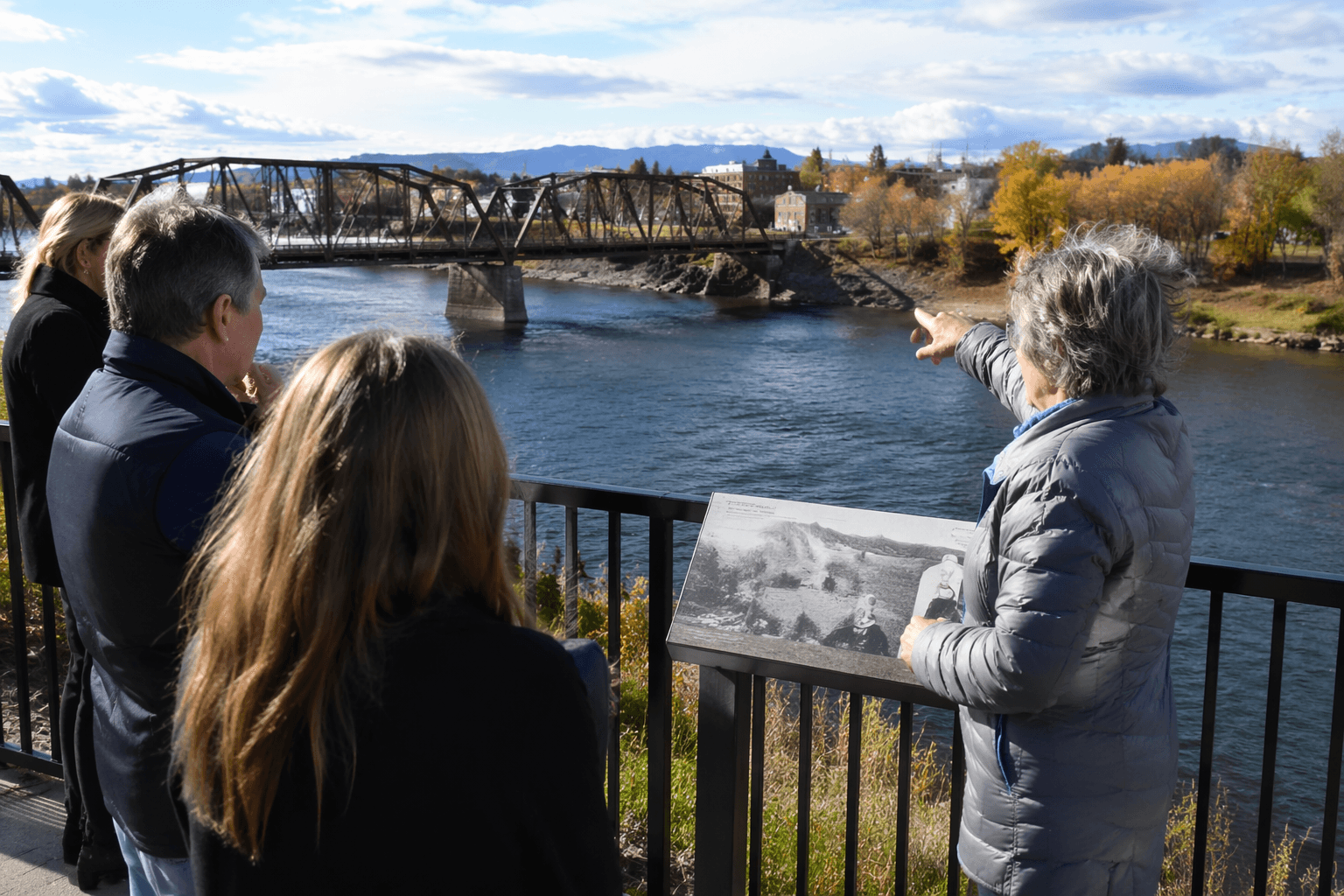
At the southern end of the Helena Levee Walk, near the covered gazebo, a historic exhibit frames the riverfront as a place where local geography and national history meet. The display centers on the Indian Removal Act, signed into law by President Andrew Jackson on May 28, 1830, and on the movement of Cherokee, Choctaw, Muscogee, and Chickasaw people along the Mississippi River. Visit Helena says Helena residents in the 1830s watched tens of thousands of Native people pass by as they traveled south, making the riverfront a witness to one of the most consequential forced migrations in U.S. history.
That matters for downtown because Helena is not selling history in the abstract. It is using the river, the levee, and the public walkway as the stage for it. In a county where tourism, local pride, and public memory overlap, that kind of interpretation can help convert a scenic stop into a longer visit. A person who comes for the view may stay for the exhibit, then continue into historic downtown, which is the difference between pass-through traffic and actual foot traffic.
Why the exhibit changes how downtown works
The exhibit’s real value is that it makes Helena’s landscape legible. Helena was laid out in 1821, made the county seat in 1830, and founded in 1833. It was also an important early river port in Arkansas’s Delta region, which explains why the riverfront remains so central to the city’s identity. The downtown story is not separate from the river story. It is built on it.
For Phillips County, that creates an economic and civic opportunity. Heritage tourism only works when it gives people a reason to linger, and downtown Helena has several reasons to do that in one compact area: panoramic views, a levee walk, a historic exhibit, and nearby institutions that deepen the experience. That mix supports restaurants, small businesses, festival traffic, and the kind of casual downtown wandering that can turn a one-hour stop into an afternoon.
The challenge is to make that promise visible in practical terms. The riverfront branding has to turn into repeat visitation, event attendance, and spending downtown. Helena’s advantage is that it already has a landscape-based story that cannot be copied elsewhere in the county.
The Levee Walk is a corridor, not just a overlook
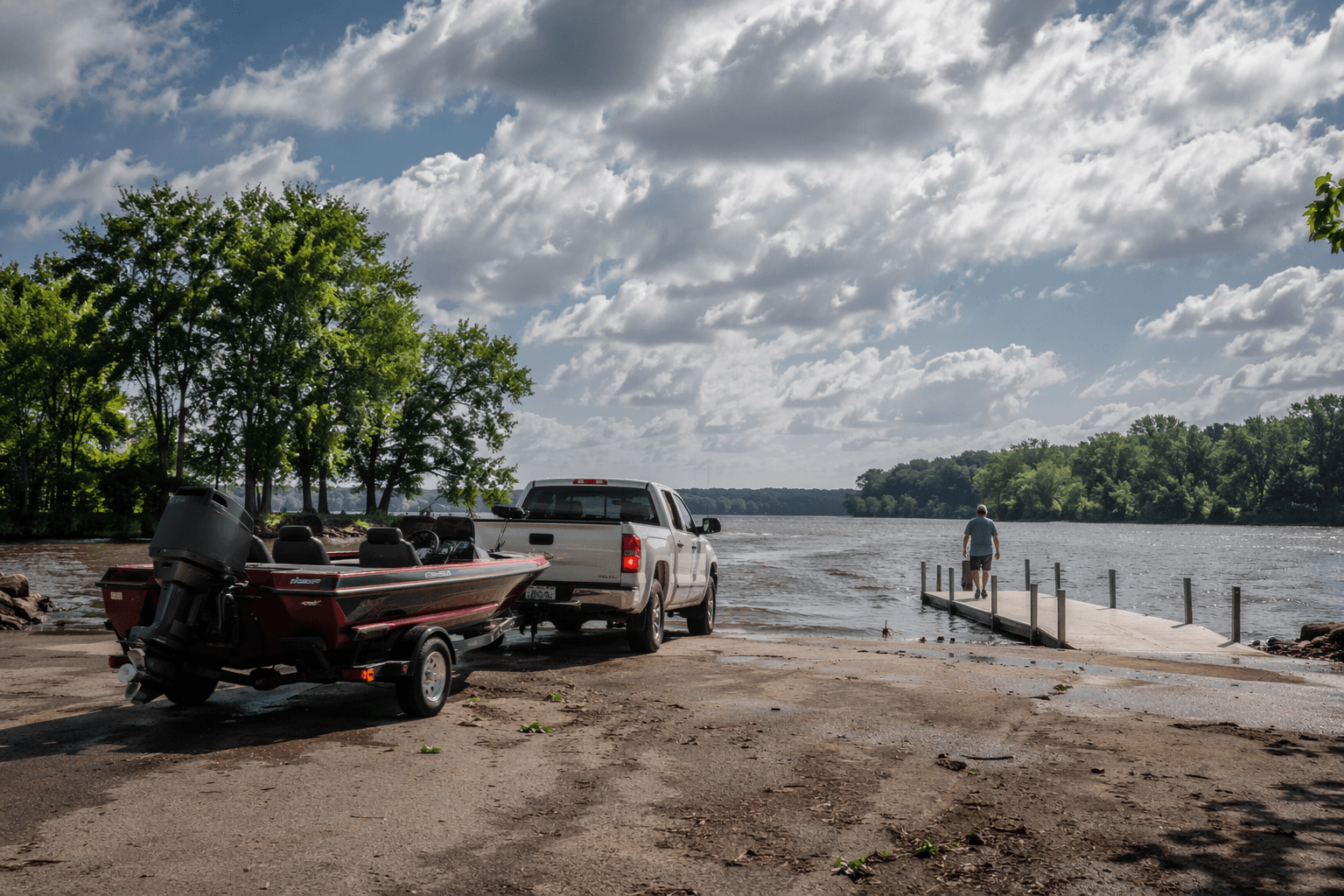
The National Park Service describes the exhibits as part of Helena River Park, also known as the Helena Levee Walk, and says the area includes a nature boardwalk, park, boat ramp, concert venue, and the Delta Cultural Center. That combination matters because it makes the riverfront useful in more than one season and for more than one audience. Families, school groups, tourists, history visitors, and people looking for public space all have a reason to come.
The park also carries a darker interpretive frame. The National Park Service identifies the Mississippi River as the Trail of Tears water route, giving the overlook a direct connection to forced migration and removal. That broader context gives the site more depth than a standard scenic stop. Visitors are not just looking at the river. They are looking at a corridor that was used for displacement, movement, trade, war, and settlement.
That layered meaning is important for downtown merchants and tourism officials because destinations with a clear story tend to generate stronger visit patterns than places that only offer passive scenery. When the Levee Walk, the exhibit, and the nearby cultural institutions work together, Helena has the ingredients of a walkable heritage district rather than a single attraction.
Civil War history adds another layer of traffic
The same riverfront also interprets Helena’s Civil War past. Arkansas Delta Byways says the Levee Walk includes Civil War exhibits on the Battle of Helena, the Yazoo Pass Expedition, and the effects of Union occupation on the city. Visit Helena adds that the park was the site of the Gunboat Tyler during the war and served as a campground for regiments including the 9th Minnesota.
That matters because Civil War tourism and Native history tourism can reinforce each other when they are presented in one place with clear geography. Downtown Helena is not only telling one story. It is telling several, all tied to the same riverfront landscape. For visitors, that makes the area more worth a stop. For local businesses, it increases the odds that a person who came for one exhibit will move on to another site, stay longer downtown, and spend money along the way.
The downtown narrative also benefits from institutional depth. The Delta Cultural Center, located in historic downtown Helena, interprets the heritage of the 27-county Delta region through exhibits, educational programs, annual events, and guided tours. That gives the downtown core a partner that can translate heritage into regular activity, not just seasonal interest.
The levee itself is part of the infrastructure story
There is another layer to this riverfront that often gets overlooked: flood protection. The U.S. Army Corps of Engineers says the Mississippi and White Rivers Below Helena levee system consists of six levee segments totaling 114.4 miles, and that it is part of the Mississippi River and Tributaries project authorized by the 1928 Flood Control Act.
That makes the Levee Walk more than a place to look at the river. It sits on top of critical infrastructure that protects the region from flooding while also supporting public access and interpretation. In Helena, the same built structure that helps manage water also helps manage memory and tourism. That is rare, and it is one reason the downtown riverfront has lasting economic value.
What this means for Phillips County
For Phillips County, the downtown exhibit is best understood as an asset that connects history to activity. It gives visitors a reason to walk the levee, learn the city’s Native and river history, and keep moving into downtown Helena. It also helps local leaders frame the riverfront as a place where heritage can support commerce, not just pride.
The real payoff will come if the city, tourism groups, and downtown merchants continue turning that story into visible activity, whether through events, guided visits, or stronger connections between the Levee Walk and the rest of historic downtown. Helena already has the landscape, the institutions, and the history. The question now is whether those pieces keep producing the one thing downtown needs most: people who stay long enough to make the district economically matter.
This article was produced by Prism’s automated news system from verified source data, official records, and press releases, then run through automated quality and moderation checks before publishing. The system is built and supervised by the people who set the standards it runs under. Read our full AI policy.
Did this article answer your question?