Helena-West Helena Showcases Delta Music, Civil War and Underground Railroad History
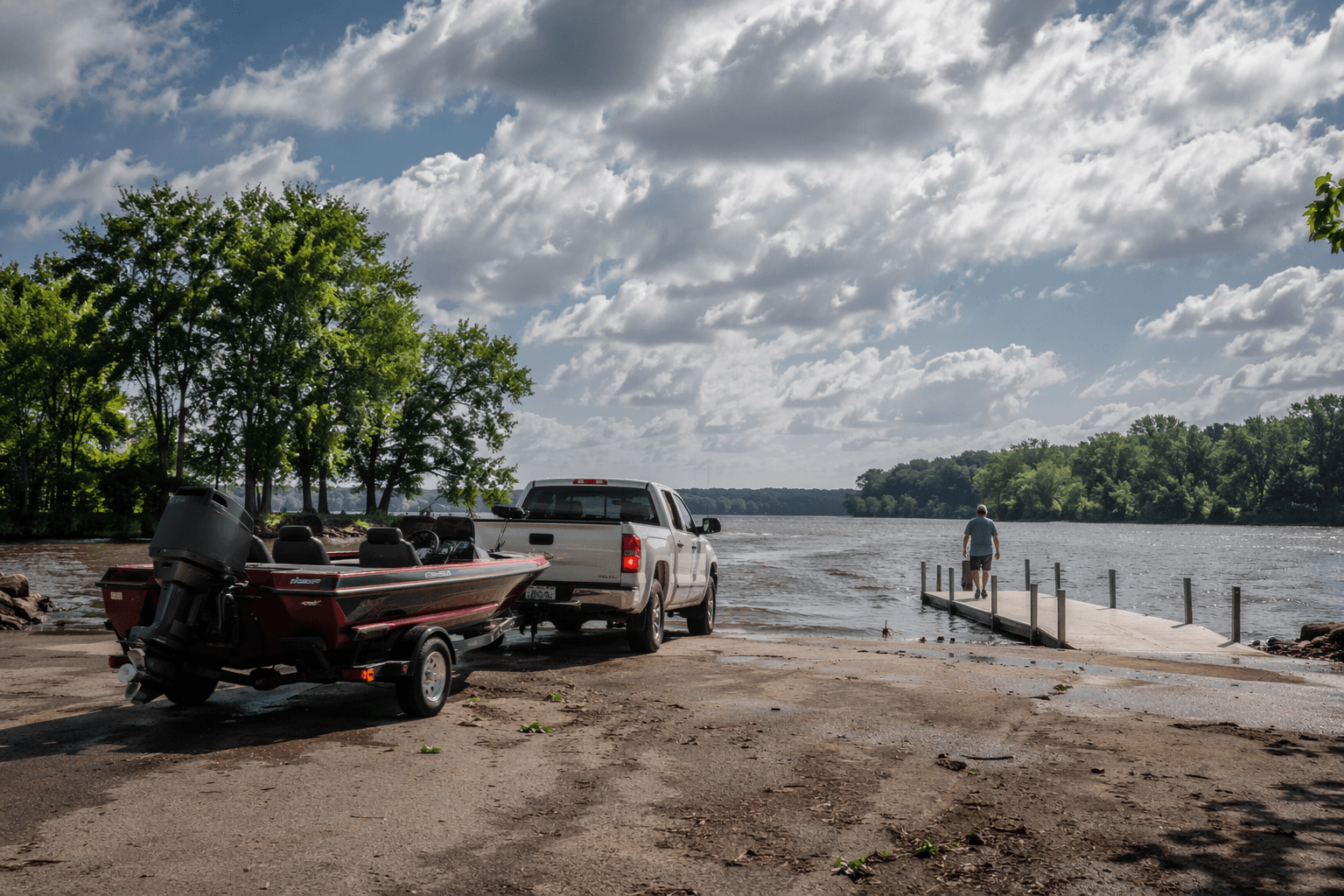
Freedom Park is Arkansas’ first National Underground Railroad Network to Freedom site, set beside River Reach Park where the Mississippi’s presence shapes Helena-West Helena.
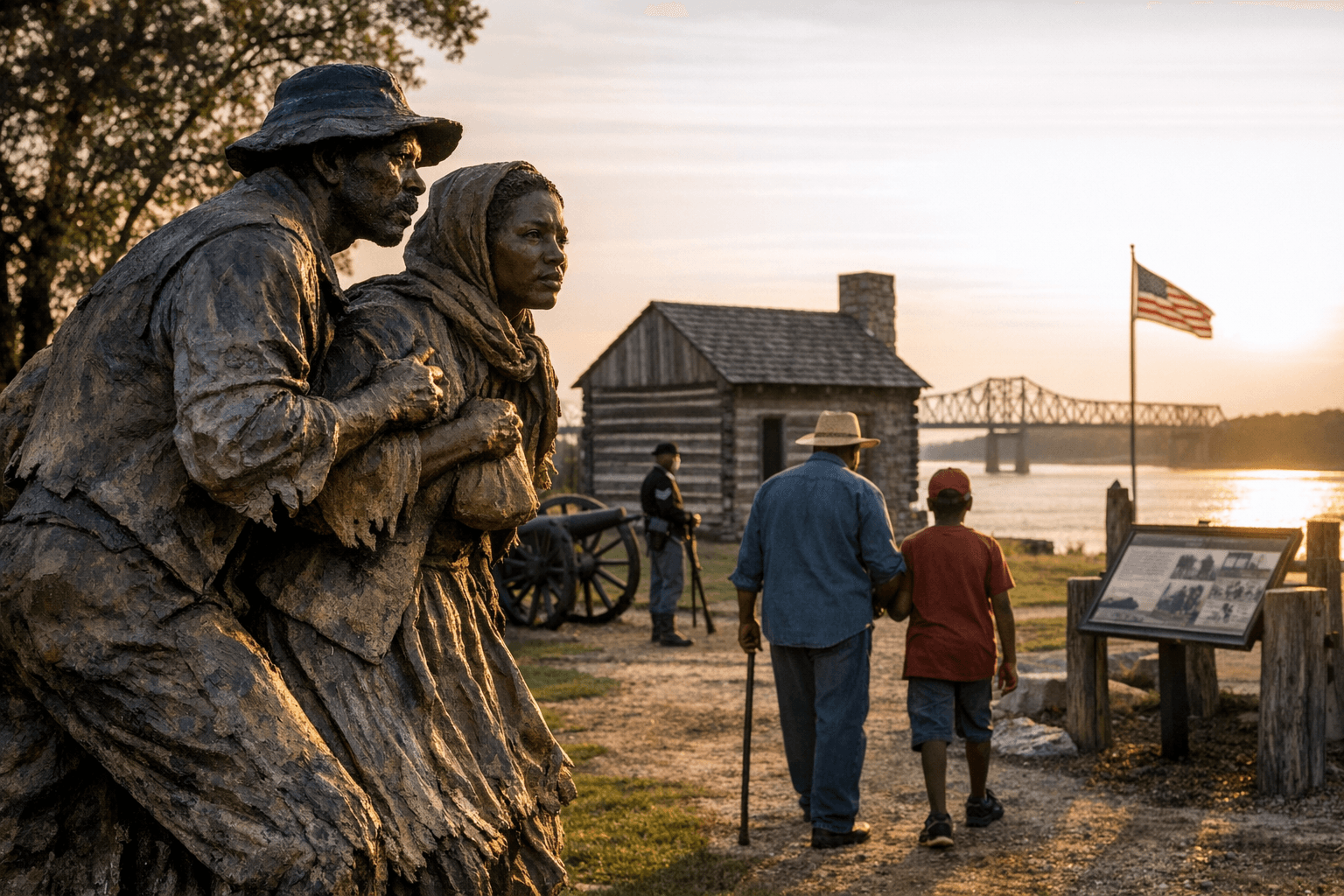
Freedom Park anchors Helena-West Helena’s Civil War interpretation as Arkansas’ first site designated in the National Underground Railroad Network to Freedom, telling the African American story during the Civil War while visitors also look to River Reach Park for views of the Mississippi River’s enduring presence. The River Reach Park setting and Freedom Park together frame the city’s layered public memory, from wartime movement to river commerce.
The Delta Cultural Center serves as the town’s interpretive anchor for that history. The state-owned museum presents exhibits detailing the natural and human history of the Delta region, including materials on the 1863 Battle of Helena and the role of local residents in the development of Mississippi Delta blues music. The center’s focus on music, Civil War events and river history ties directly to Helena-West Helena’s identity as a year-round destination for residents and visitors.
Civil War history remains visible across the city. Helena contributed seven generals to the Confederacy, and three of those generals are buried in Helena-West Helena’s Confederate Cemetery. Civil War artifacts and period paintings of the generals are displayed at the Helena Museum of Phillips County, linking battlefield narratives to the town’s museums and cemetery grounds. The town’s role in wartime logistics is further noted in references to eight separate movements and approaches that passed through Helena during the Civil War; those passageways are now incorporated into the Arkansas Heritage Trails System.
The Heritage Trails System also highlights other historical routes through Phillips County, including the relocation movement along the Mississippi River associated with the Trail of Tears. That formal recognition connects Freedom Park’s African American Civil War interpretation with the longer history of displacement and indigenous removal that intersected this riverside town, shaping long-term community geography and cultural memory.
Architectural tourism complements the military and river histories. Helena-West Helena retains a large collection of antebellum and Victorian homes, and the 1896 Queen Anne Pillow-Thompson House remains open for tours. Two National Scenic Byways traverse the city - the Great River Road and Crowley’s Ridge Parkway - and both extend north from Helena-West Helena into the St. Francis National Forest, offering visitors scenic drives that link urban heritage sites to forested recreation north of town.
Music and cultural events sustain the local economy and community life. The King Biscuit Blues Festival is held each October as part of Helena-West Helena’s ongoing blues legacy, while local businesses and visitor services support year-round tourism. Quapaw Canoe Company operates at 107 Perry St., the Edwardian Inn Bed & Breakfast is at 317 Biscoe St., and Beth El Heritage Hall stands at 406 Perry Street, all within Helena-West Helena’s 72342 ZIP code.
These cultural and historic assets carry public health and equity implications for Phillips County. Interpreting African American Civil War narratives at Freedom Park and preserving sites tied to the Trail of Tears can contribute to community healing and civic education, while annual events such as the King Biscuit Blues Festival and river-based tourism support seasonal employment that affects local access to services. Institutions such as the Delta Cultural Center and Helena Museum of Phillips County therefore play roles not only in tourism but also in shaping conversations about historical trauma, economic opportunity, and equitable investment in Phillips County’s cultural infrastructure.
This article was produced by Prism’s automated news system from verified source data, official records, and press releases, then run through automated quality and moderation checks before publishing. The system is built and supervised by the people who set the standards it runs under. Read our full AI policy.
Did this article answer your question?