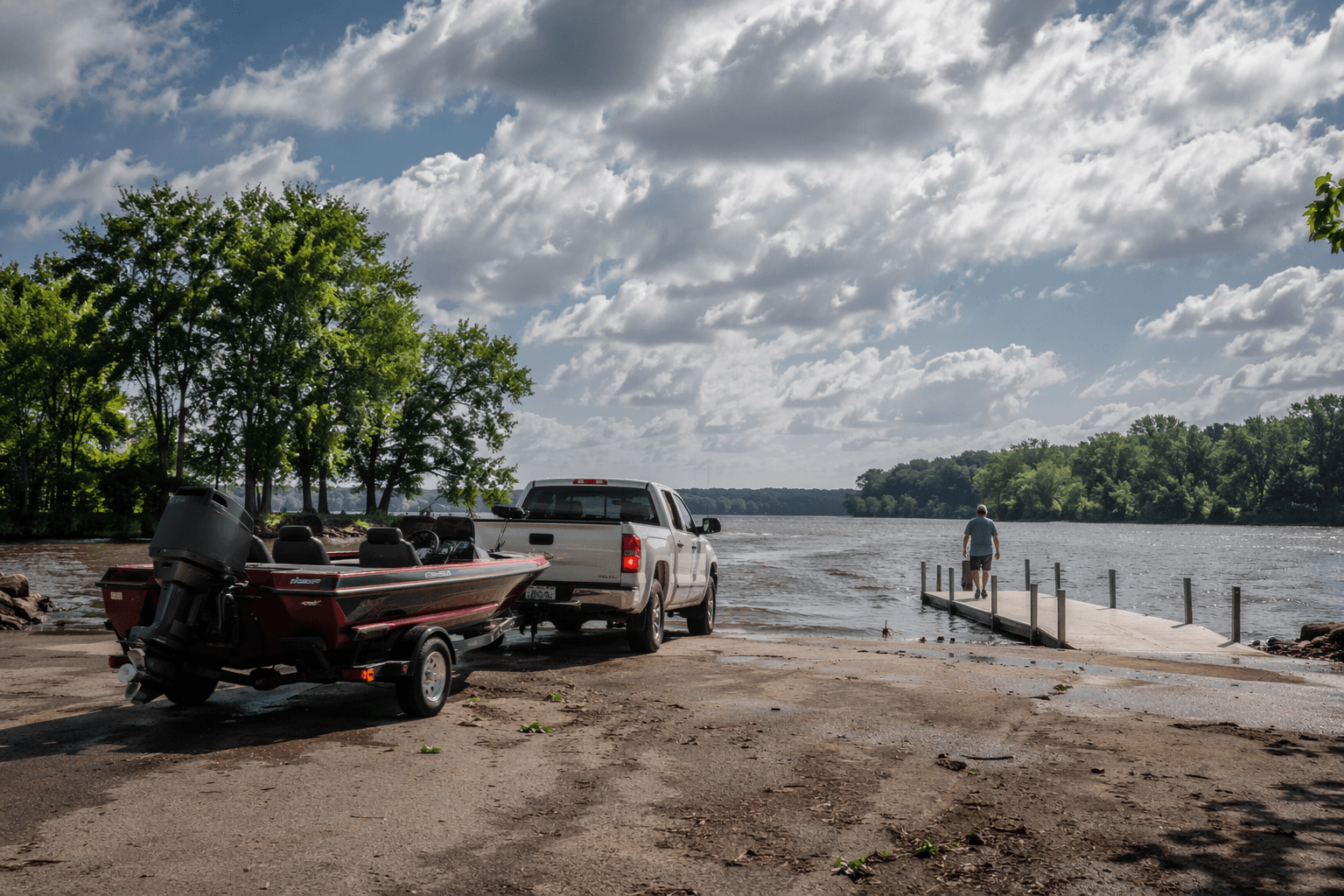
Lake View tells Phillips County’s story of Black land ownership
Lake View turned New Deal land policy into Black farm ownership in Phillips County, and its 2019 historic district shows what still survives of that wealth-building experiment.
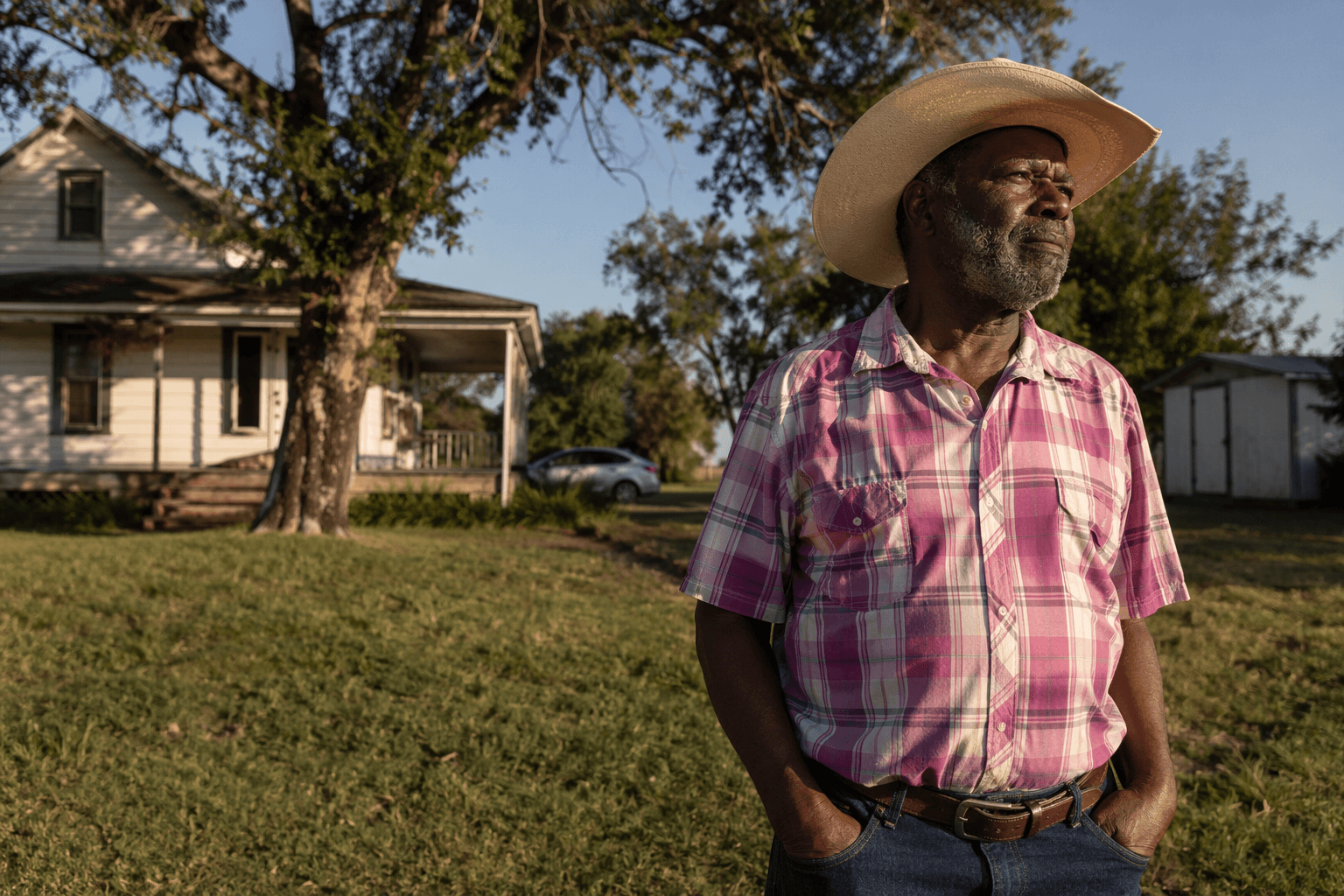
Lake View is small now, with 327 residents spread across 5.00 square miles in the 2020 Census, but the town carries a much larger economic history than its size suggests. In Phillips County, where 16,568 people lived in 2020 and 62.4 percent were African American, Lake View remains one of the clearest places to see how land ownership, race, and public policy shaped the Delta.
A colony built around ownership
Lake View began during the Great Depression as a rural resettlement project, and that matters because it was designed to do more than house families. The Lakeview Resettlement Project reserved land for Black farm families after foreclosed plantation land became available, creating one of the few incorporated Arkansas communities where African Americans make up more than 90 percent of the population.
The project covered about 5,600 acres on the north side of Old Town Lake and was divided into 95 farms of 44 acres each. Each tract came with a farmhouse and barns, which made the colony a working agricultural plan from the start, not a loose cluster of homes dropped into farm country.
By the time the community was formally dedicated on November 8, 1938, 87 homes had been completed and 33 families had been selected to move in. That detail captures the scale of the experiment: this was not symbolic relief, but a concrete attempt to put Black families on land they could eventually own.
What the colony was supposed to contain
Lake View was built as a self-contained rural economy. The site included a general store, cotton gin, feed mill, repair shops, a herd of livestock, and a school district with an elementary school, high school, vocational shop, and nursery. That mix of farms, services, and education made the settlement more than a housing development; it was an infrastructure package meant to keep wealth, labor, and daily commerce inside the community.
The structure of the project also made the path to ownership visible. Residents were able to buy their land after a trial rental period, which turned tenancy into a possible route toward ownership rather than an endpoint. For Phillips County, that distinction matters: the project was not just about surviving the Depression, but about building an asset base that could outlast it.
The plan was not without conflict. The historical record shows the project was controversial, and some long-time tenant families were denied permission to remain. That tension is part of the story too, because land reform in the Delta always sat at the intersection of opportunity, displacement, and power.
Why the federal government matters to the Lake View story
Lake View did not emerge in isolation. It grew out of New Deal farm-colony programs that started when President Franklin D. Roosevelt created the Resettlement Administration on April 30, 1935, through Executive Order 7207. The agency was built to help poor farmers, establish resettlements for migrants and farm workers, and carry out farm conservation work at a moment when Arkansas ranked sixth in the nation in farm tenancy.
That wider federal effort later became the Farm Security Administration, and the Works Progress Administration was also tied to the Lake View district. The National Park Service identifies the project as one of the agencies’ works, and the National Register nomination marks 1938 as the district’s significant year. In other words, Lake View was part of a national response to rural poverty, but it was tailored to a local problem that hit Black farmers especially hard.
Lake View stands out because it was the first project in Arkansas specifically dedicated to combat the problems of landlessness for Black farmers in the rural South. Arkansas had other resettlement experiments, including Dyess Colony in Mississippi County, which cost $4,233,045 and eventually housed about 482 families, plus Biscoe Farms in Prairie County and Lonoke Farms in Lonoke County for white farmers. Lake View is different because it was explicitly reserved for African American families.

The people who put it on the map
The dedication on November 8, 1938 drew major New Deal figures, including Tuskegee Institute president Dr. Frederick Patterson and Farm Security Administration director Dr. Will Alexander. Their presence underscored what Lake View represented at the time: a federal experiment with Black agricultural advancement that had enough political and social weight to attract national attention.
The site near the junction of Arkansas routes 85 and 44 became a showcase for how New Deal policy, Black land ownership, and rural housing could be fused into a single community plan. That is why Lake View reads less like a footnote in county history and more like a case study in how policy either opens or closes paths to economic self-determination.
What remains today in Phillips County
Lake View still matters because the community’s footprint survives in both geography and designation. The historic district was added to the National Register of Historic Places on January 28, 2019, and the listing reinforces the importance of the landscape and street pattern that grew out of the original colony. The district is recognized for community planning and development, agriculture, and African American history, which places land use at the center of the story rather than treating it as background.
That is the deeper Phillips County issue: whether a place like Lake View is preserved as a model of community-built wealth or allowed to fade into memory as population loss reshapes the county. The town is small, but it represents a rare moment when Black families in the Delta were given land, a structure for ownership, and the chance to build institutions around their own labor. In Phillips County, that legacy still marks the difference between land as inheritance and land as history.
This article was produced by Prism’s automated news system from verified source data, official records, and press releases, then run through automated quality and moderation checks before publishing. The system is built and supervised by the people who set the standards it runs under. Read our full AI policy.
Did this article answer your question?