Phillips County residents travel farther for maternity care, hospital remains key
Phillips County women now travel far longer for deliveries, but Helena Regional Medical Center and its clinics still anchor urgent and routine care.
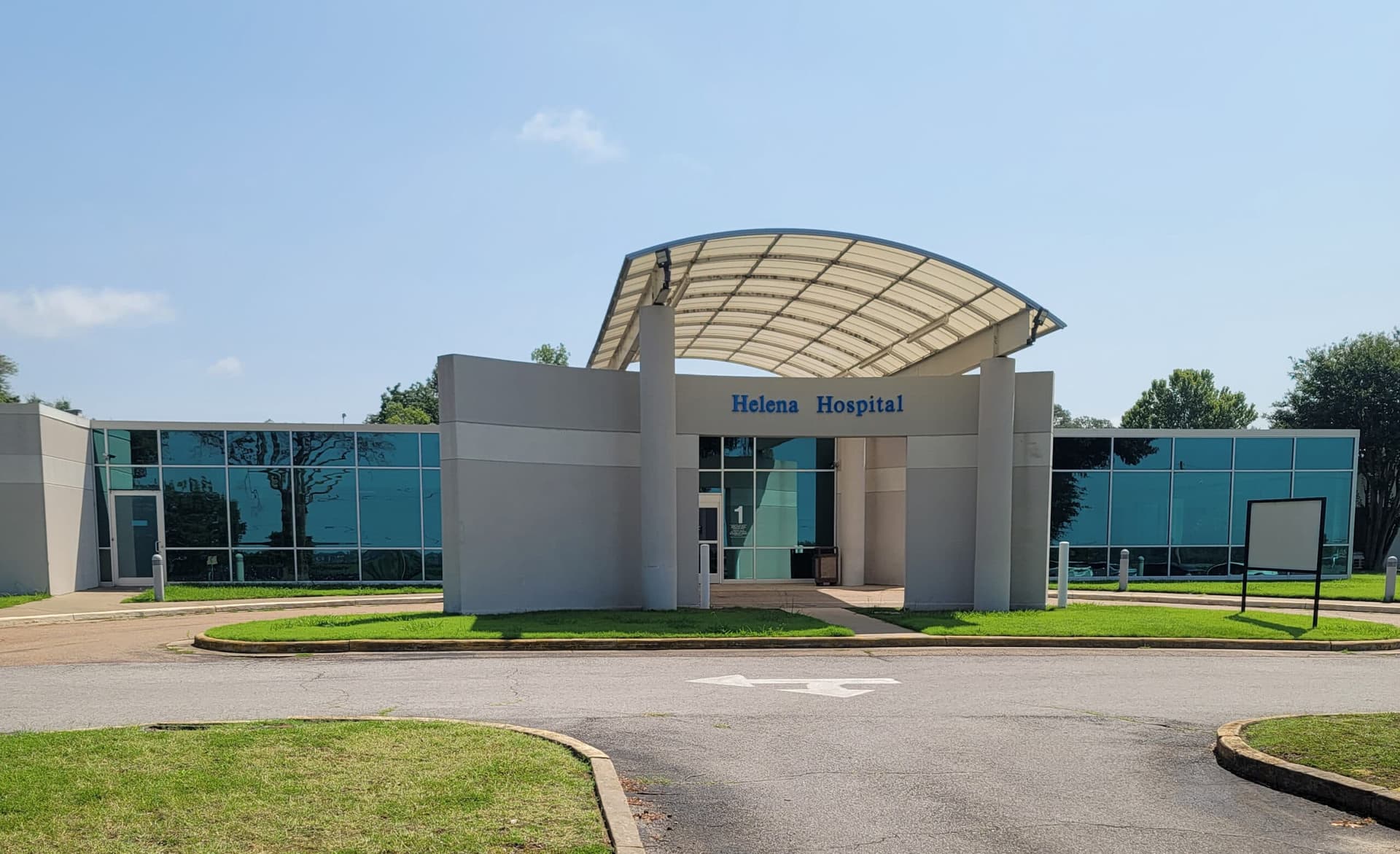
Helena Regional Medical Center is still the place many Phillips County residents turn when a problem cannot wait for Memphis, Little Rock, or another distant referral center. That role has grown more important, not less, as maternity care has pulled farther away from home and as the county’s clinic network has become the main line of defense for everything from asthma and diabetes to blood pressure checks and immunizations.
The county’s health backbone still runs through Helena
Local business listings describe Helena Regional Medical Center as a 155-bed, Joint Commission-accredited community hospital licensed by the state of Arkansas. The hospital’s practical reach is wide: it operates a 24-hour emergency department and provides diagnostic imaging, laboratory services, surgical care, women’s health, pediatrics, pulmonary and respiratory care, rehabilitation services and wound care.
Those services matter because the hospital is not just a building for admissions. It is also the place where residents can find ICU care, stroke services, labor and delivery, mammography, CT, MRI, surgery, physical rehabilitation, laboratory testing, respiratory therapy, cardiac rehabilitation and wound care, along with a UAMS residency rotation affiliation. In a county where 16,568 people were counted in the 2020 Census and the geography covers 690.4 square miles, that kind of one-stop access shapes everyday decisions about whether to stay local or start driving.
Maternity care is where the distance has become hardest to ignore
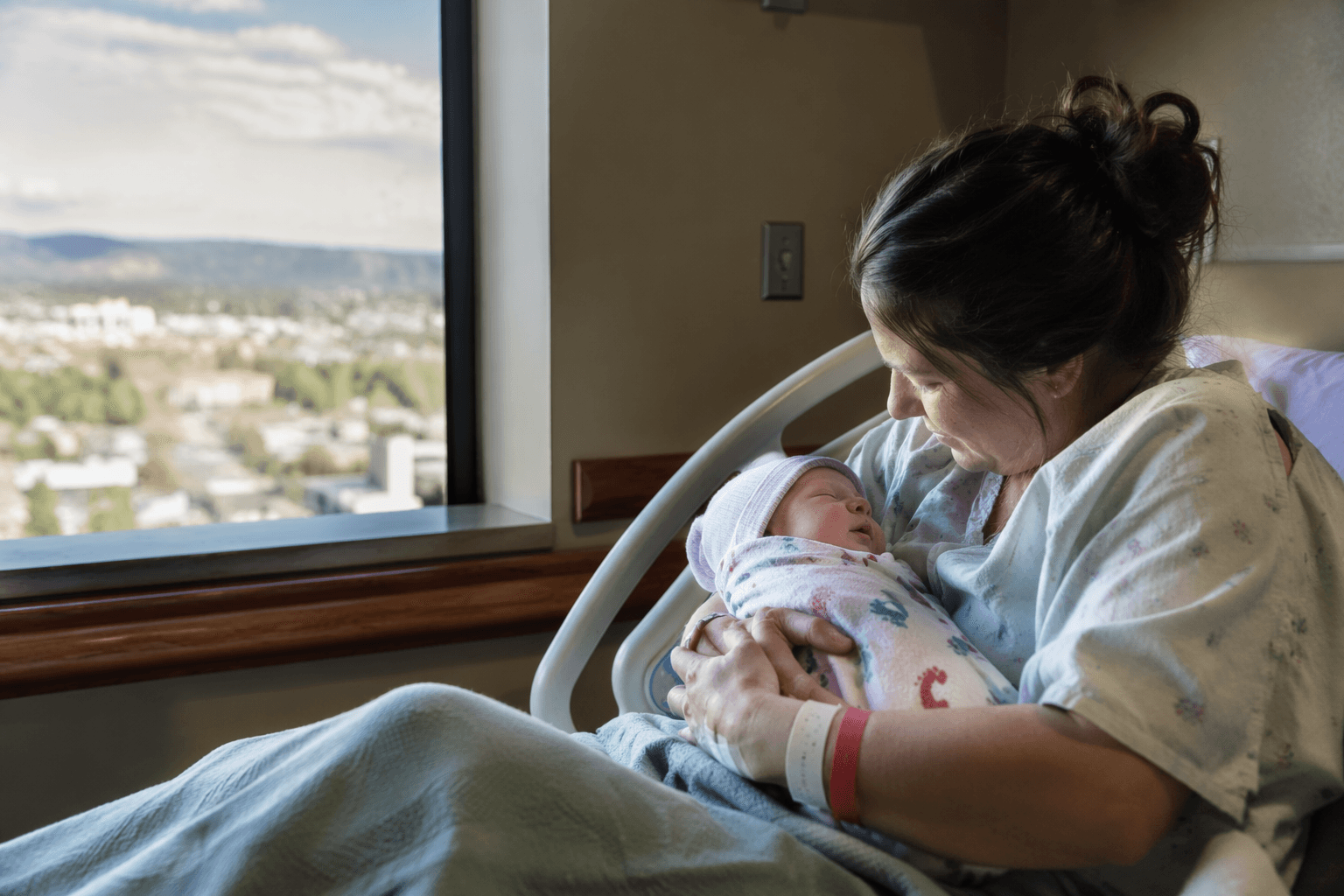
The clearest change has been in childbirth. An Arkansas Center for Health Improvement analysis found that Phillips County residents’ median travel time to delivery facilities increased eightfold from 2019 to 2024 after Helena Regional Medical Center closed its labor and delivery unit in 2020. The next closest birthing hospital for most mothers is 48 minutes away, turning prenatal visits, labor plans and emergency transfers into longer, more complicated trips.
Before the closure, Helena Regional Medical Center delivered 69% of Phillips County births in 2019. That means the county lost not just a service line, but the place that handled most local deliveries. Across Arkansas, 51 of 75 counties do not have labor and delivery services, and the common reasons for obstetric-unit closures are staffing shortages and financial considerations, a reminder that Phillips County’s problem is part of a broader rural pattern rather than a one-off decision.
For families without reliable transportation, the change is especially punishing. A longer drive is more than inconvenience when contractions start, a prenatal issue turns urgent or a newborn needs follow-up quickly. It also makes emergency transport and coordination with higher-level hospitals more important, because every mile now carries more risk and more planning.
The local clinic network is what keeps routine care within reach
What prevents the system from fraying completely is the broader network around the hospital. The Helena Health Foundation says its mission is to support and improve public well-being in Phillips County, especially in health care, and it awards grants to address community needs. That kind of backing matters in a county where public health needs are shaped by poverty, distance and a smaller tax base.
The Arkansas Department of Health’s Phillips County listings show several access points, including Helena-West Helena, a Lakeview satellite clinic in Wabash, Helena Family Health Center in Helena and East Arkansas Family Health Center in Marvell. UAMS Health also operates the Family Medical Center in Helena, where patients can be seen for acute and chronic conditions such as asthma, diabetes, hypertension and arthritis.
That clinic adds another layer of practical access. It offers minor surgical procedures, pediatric and adult immunizations, a local diagnostic lab and care for patients from multiple nearby counties. It also uses after-hours triage and tries to provide same-day or next-day scheduling when possible, which is the kind of availability that can keep a small problem from becoming an emergency room visit.
Finances and staffing have defined what the hospital can still be
The pressure on Helena Regional Medical Center has not been theoretical. Arkansas Business reported that the hospital had been losing at least $1.3 million a year every year since 2004, and that in 2022 it lost $8.57 million on $12.75 million in net patient revenue. In January 2024, Progressive Health Group of Oxford, Mississippi bought the hospital and its physician clinics for $2.5 million and renamed it Progressive Health of Helena.
That ownership change came alongside a shift to the federal Rural Emergency Hospital model, a program that began in January 2023. Under that structure, a hospital keeps a staffed emergency department open 24 hours a day and stops inpatient care, while receiving additional Medicare support for outpatient services and monthly federal payments. It is a compromise built to preserve access, but it also means residents no longer get every service under one roof.
Former CEO Bob Moore said the nearest emergency room and other hospital services would have been 45 minutes away if the hospital had closed. That is the clearest measure of what is at stake: without Helena’s hospital, Phillips County would not just lose beds, it would lose the local base for emergencies, specialty visits, outpatient procedures and the most immediate response when health problems cannot wait.
Why the stakes are higher in Phillips County than the map suggests
Phillips County’s health picture makes that loss harder to absorb. The county’s median household income was $40,134 in the 2024 American Community Survey, its uninsured rate was 7.6% and its poverty rate was 29.3%. A health equity profile places life expectancy at 67.4 years and maternal mortality at 31.2, numbers that underscore how access to care, transportation and timely appointments can shape outcomes long before a crisis reaches a hospital.
That is why the question in Phillips County is not simply whether Helena Regional Medical Center looks like a traditional hospital. The real test is whether its emergency department stays staffed, whether clinics keep opening on time, whether patients can still get appointments quickly and whether the county can hold onto enough local care to keep people from facing a long drive for every urgent need.
This article was produced by Prism’s automated news system from verified source data, official records, and press releases, then run through automated quality and moderation checks before publishing. The system is built and supervised by the people who set the standards it runs under. Read our full AI policy.
Did this article answer your question?