Phillips County’s Pillow-Thompson House stands as a Queen Anne landmark
The Pillow-Thompson House is Helena’s rare Queen Anne showpiece, but its tours and lunches also make it a working asset for Phillips County.
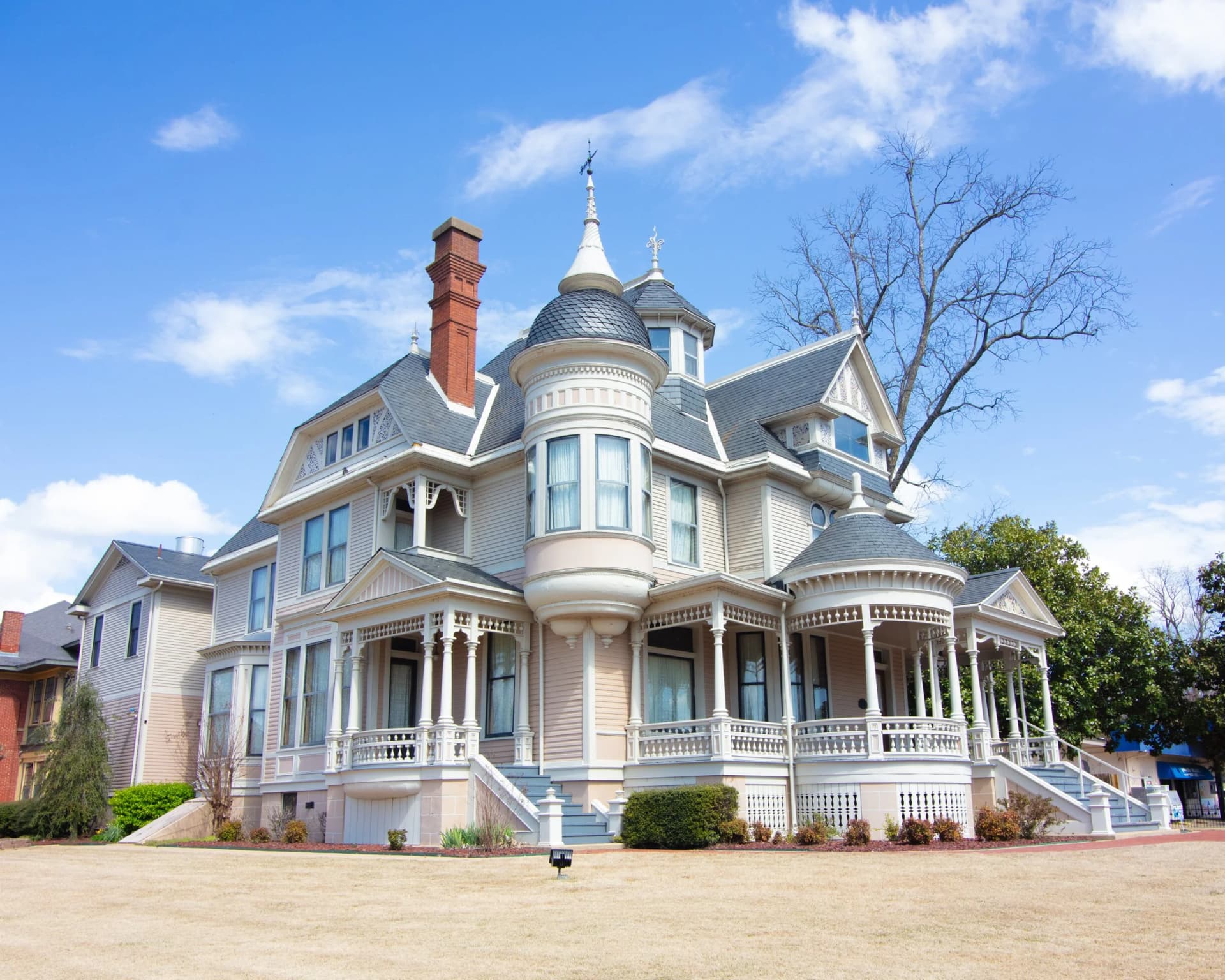
The Pillow-Thompson House does more than preserve a grand Helena address. Built in 1896 by Jerome B. Pillow, the Queen Anne home now gives Phillips County a public landmark at 1000 Campus Drive, where tours, lunches and events turn a private family residence into an active stop in Helena-West Helena.
A Queen Anne house with uncommon details
The Pillow-Thompson House is one of the most striking Victorian-era homes in Arkansas, and its design explains why it keeps drawing attention. George Barber designed the house, placing it among several Helena homes linked to the architect, and the result is the kind of layered, irregular silhouette that defines Queen Anne work.
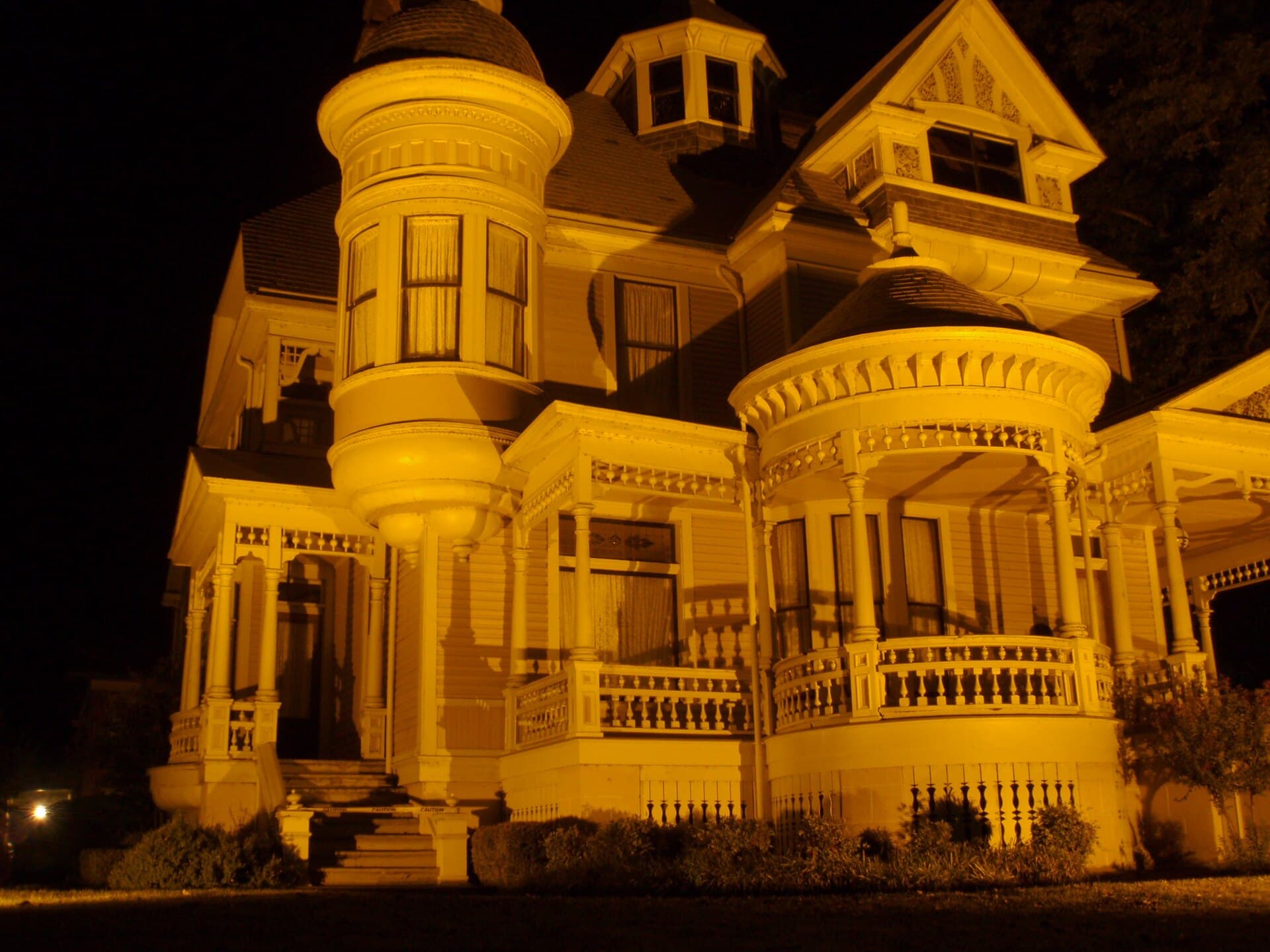
Its most visible features are easy to spot: towers, turrets, dormer windows, an encircling veranda, a slate-shingled roof, ornate metal finials, corbeled and paneled brick chimneys, and spindlework paired with turned columns. The house’s scale and ornament give it the formal presence of a landmark, not just an old residence.
The Arkansas Encyclopedia adds a distinction that sets it apart even within the state’s historic-home inventory: it is the only Victorian home in Arkansas with full-wood construction except for the fireplaces and foundation. That unusual construction helps explain why preservationists treat it as a singular building rather than one more surviving mansion.
From family home to public landmark
Five generations of Pillow descendants lived in the house before it entered public stewardship. That long family occupation gives the building a rooted local history, but the next chapter mattered just as much for Phillips County: in 1992, Josephine Thompson and her son George de Man donated the house to the Phillips Community College Foundation.
The house then became part of the Phillips Community College of the University of Arkansas family. College history materials say it was given to the college in 1993, renovated, and reopened in May 1997. That sequence matters because it shows the house did not survive as a frozen exhibit. It survived through repair, reinvestment and a decision to keep it in public use.
The National Register of Historic Places recognized that importance even earlier. The house was added to the register on May 7, 1973, and the nomination form describes it as one of Arkansas’ most outstanding high Victorian-period structures. That designation gave the house a formal preservation milestone and helped secure its place in the county’s cultural map.
What to look for when you visit
A visit to the Pillow-Thompson House rewards close looking. The building’s appeal is not only in its size but in the way each detail carries the style forward from one surface to the next. If you are standing outside before a tour or luncheon, these are the features that define the house:
- Towers and turrets that break up the roofline
- Dormer windows that add depth to the upper story
- A slate-shingled roof with decorative metal finials
- Brick chimneys with corbeling and paneling
- An encircling one-story veranda with spindlework and turned columns
Those elements make the home a useful place to understand Queen Anne architecture without leaving Phillips County. Instead of reading about Victorian ornament in the abstract, you can see how complexity, asymmetry and craftsmanship come together on one Helena block.
How the house is used now
PCCUA keeps the Pillow-Thompson House open for tours Wednesday through Saturday, which makes it a dependable stop rather than a once-a-year special event. The house is also used for events, meeting space and catering, so it continues to function as a working venue instead of sitting empty between preservation projects.
The recurring First Thursday lunch series gives the property an even more practical role. The PCCUA Alumni Association offers a 50% discount for that lunch, a small but concrete sign that the house is part of everyday campus life, not just a place for formal tours. For a historic property, that kind of repeat use matters: regular traffic helps keep the building visible and the preservation story alive.
The house sits within the Helena-West Helena campus, which was established in 1965 and includes about 80 acres. That campus setting matters for visitors because the Pillow-Thompson House is not isolated from the community. It is woven into a larger institutional landscape that already brings people onto the grounds for college activity, events and meetings.
Why it matters for Phillips County
The Pillow-Thompson House is a case study in whether heritage tourism can do real work for Helena and Phillips County. The building has the kind of story that can pull people off the highway and into town: a rare Queen Anne house, an unusual all-wood construction, a family lineage, a National Register designation and a college-led restoration that gave it a second life.
That mix matters because Helena has already been identified in state tourism planning as a significant cultural heritage destination tied to Civil War and heritage tourism. The Pillow-Thompson House fits that larger identity. It gives visitors a reason to see Helena not only as a river town or a college town, but as a place where architecture and memory still shape the local economy.
For Phillips County, the real question is not whether the house is beautiful. It is whether a building like this can keep generating reasons to come downtown, linger on campus and see Helena as more than a drive-through destination. With its tours, lunch series, event use and preserved architecture, the Pillow-Thompson House already makes that answer harder to dismiss.
This article was produced by Prism’s automated news system from verified source data, official records, and press releases, then run through automated quality and moderation checks before publishing. The system is built and supervised by the people who set the standards it runs under. Read our full AI policy.
Did this article answer your question?