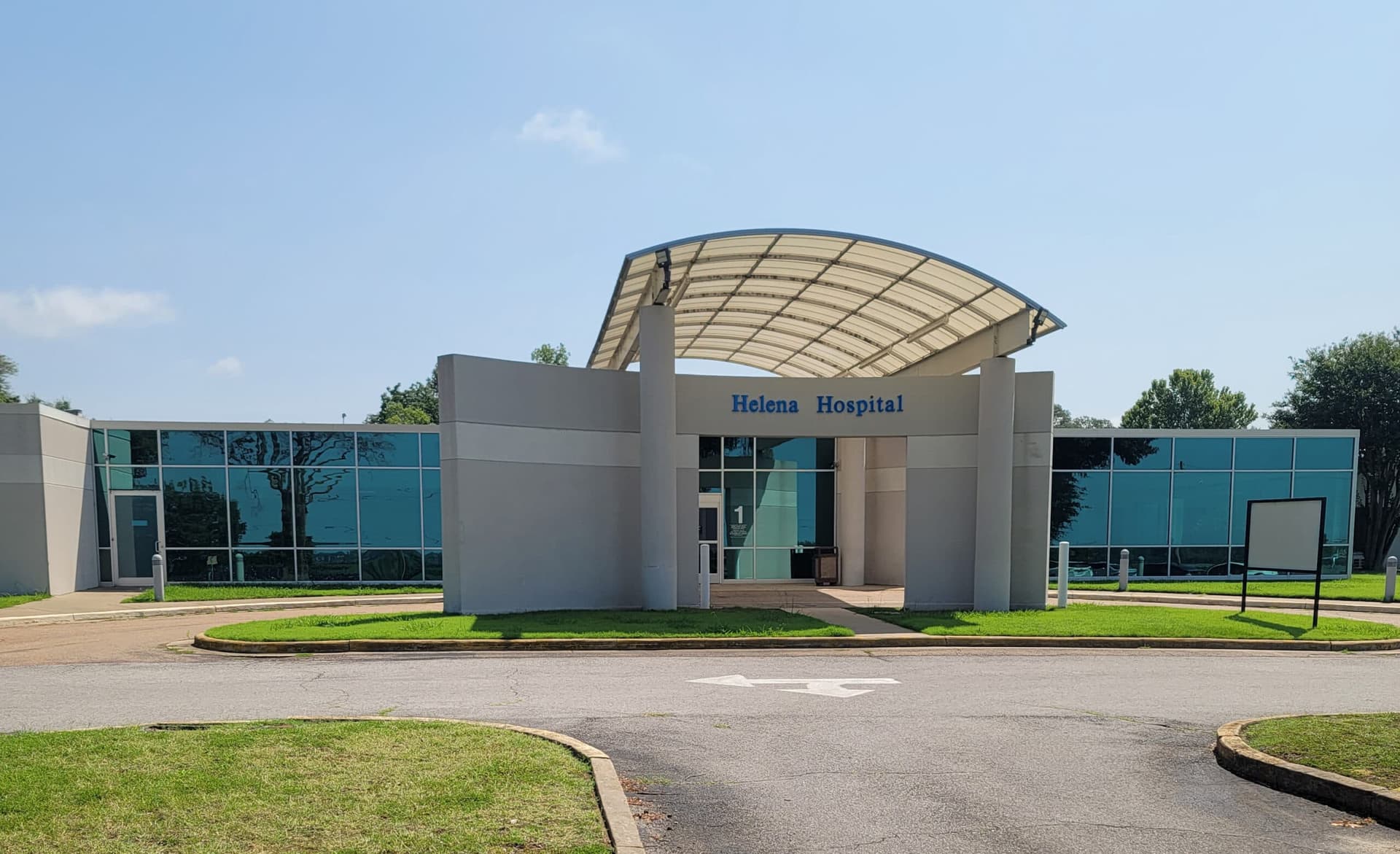
Young boy remains hospitalized after Helena West Helena shooting, family seeks justice
A four year old boy from Helena West Helena remains hospitalized after being shot this summer while riding in a car, his mother says. The child is undergoing intensive rehabilitation in Chicago, unable to walk and dependent on a wheelchair, a situation that highlights gaps in local trauma care and the financial strain on small rural families.
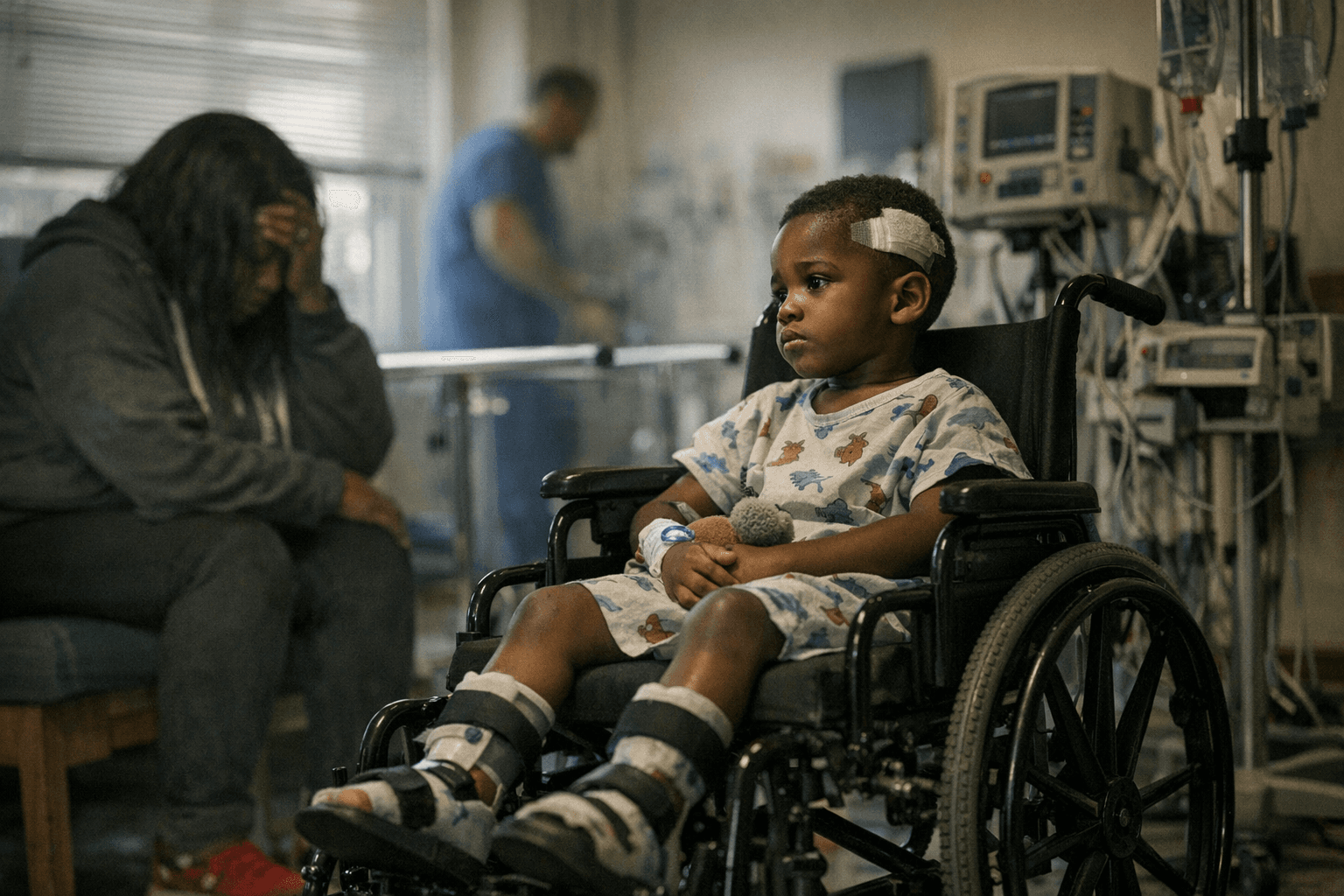
A four year old boy from Helena West Helena is still receiving intensive medical care more than five months after he and his mother were shot inside a car on South Sebastian Road this summer. Family members say the child, now identified as Kylin Harris Jr., was three years old at the time of the shooting. He is currently confined to a wheelchair and remains hospitalized at a Chicago hospital where he is undergoing rehabilitation to regain mobility.
Kylin's mother, Makayla Hines, says her son is doing better than in the immediate aftermath but has not yet recovered the ability to walk. The family is awaiting criminal action in the case and has expressed frustration with the pace of the investigation. Hines has been in Chicago with her son for nearly two months and hopes to return to Helena West Helena by Christmas while continuing outpatient therapy locally when possible.
Part of the challenge for the family is the cost of specialized equipment that supports recovery. Hines said she hopes to purchase an adaptive therapeutic bike that clinicians have found helpful in Kylin's rehabilitation. The device costs just under ten thousand dollars, a steep expense for a family already coping with medical bills and travel costs.
The case underscores broader public health and social equity concerns in Phillips County. Pediatric firearm injuries carry long term physical and psychological consequences, and rural residents often must travel far from home to access specialized trauma care and pediatric rehabilitation services. That travel places additional burdens on low income families, complicates continuity of care, and can delay the social supports a child needs to return to school and daily life.
Local health providers and policymakers face choices about how to strengthen the regional trauma network, expand support for victims of violent crime, and fund adaptive equipment through public insurance or emergency grants. For the community, the immediate needs are medical follow up, mental health supports for family members, and assurance that local law enforcement will pursue the case thoroughly.
As Kylin continues treatment, his family and neighbors are coping with the long road ahead, balancing hope for recovery with calls for accountability and better resources for families affected by violence in rural Arkansas.
This article was produced by Prism’s automated news system from verified source data, official records, and press releases, then run through automated quality and moderation checks before publishing. The system is built and supervised by the people who set the standards it runs under. Read our full AI policy.
Did this article answer your question?