Joint Base Andrews jet fuel leak into creek raised report delays
A 22,000-gallon jet fuel leak from Joint Base Andrews reached Piscataway Creek, and Maryland says the full spill was not reported until April 8.

A 22,000-gallon jet fuel leak from Joint Base Andrews reached Piscataway Creek, and Maryland says the base did not fully disclose the spill until April 8, more than two weeks after crews first detected fuel odors and a visible sheen on the water.
The episode has become a test of government accountability as much as an environmental incident. Maryland law requires fuel-storage facilities to notify the state immediately, and no later than two hours after detecting a release, including signs such as failed system tests or fuel in soil or water. State officials say the base’s leak-detection system failed multiple times between January and March without timely notice to environmental agencies.
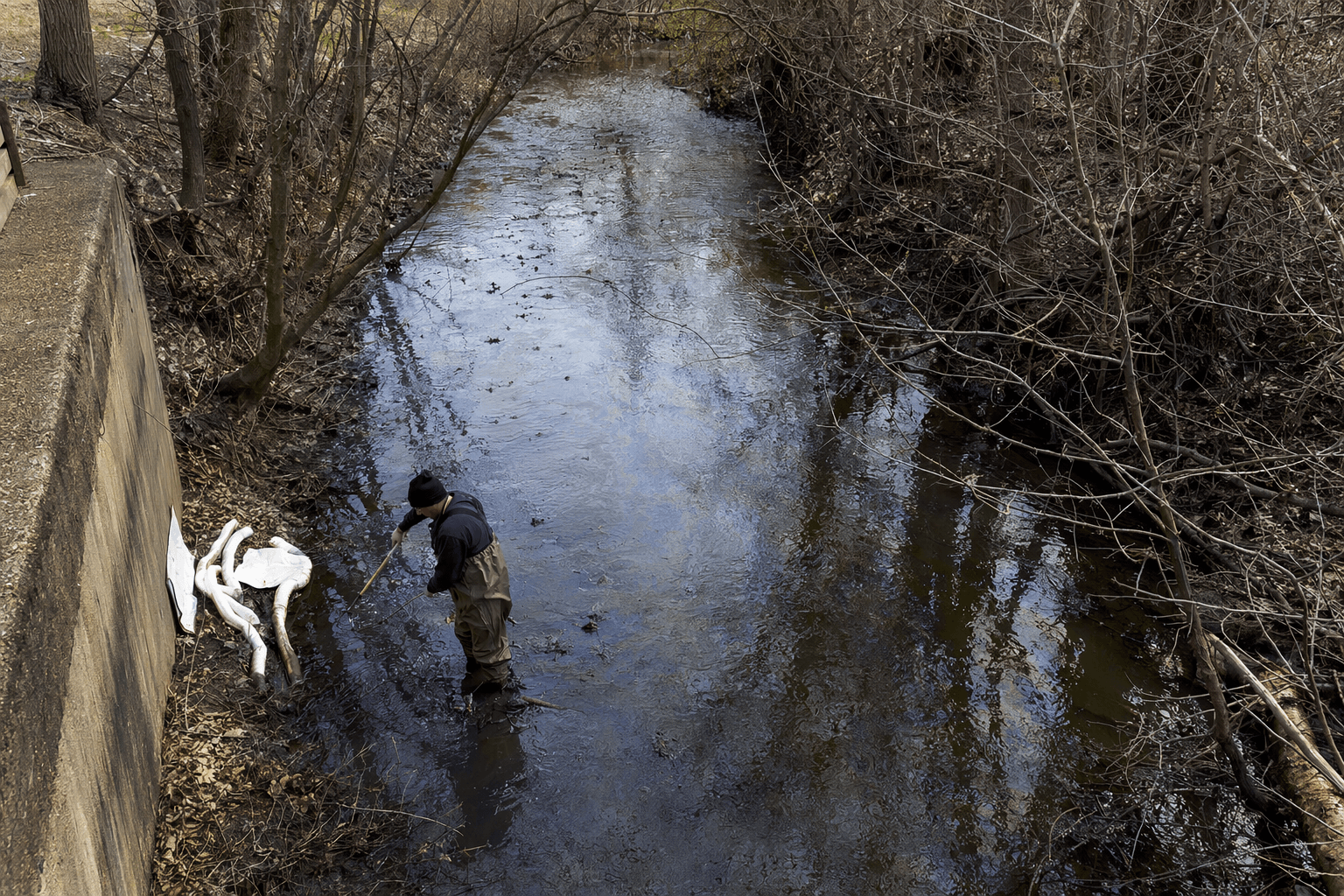
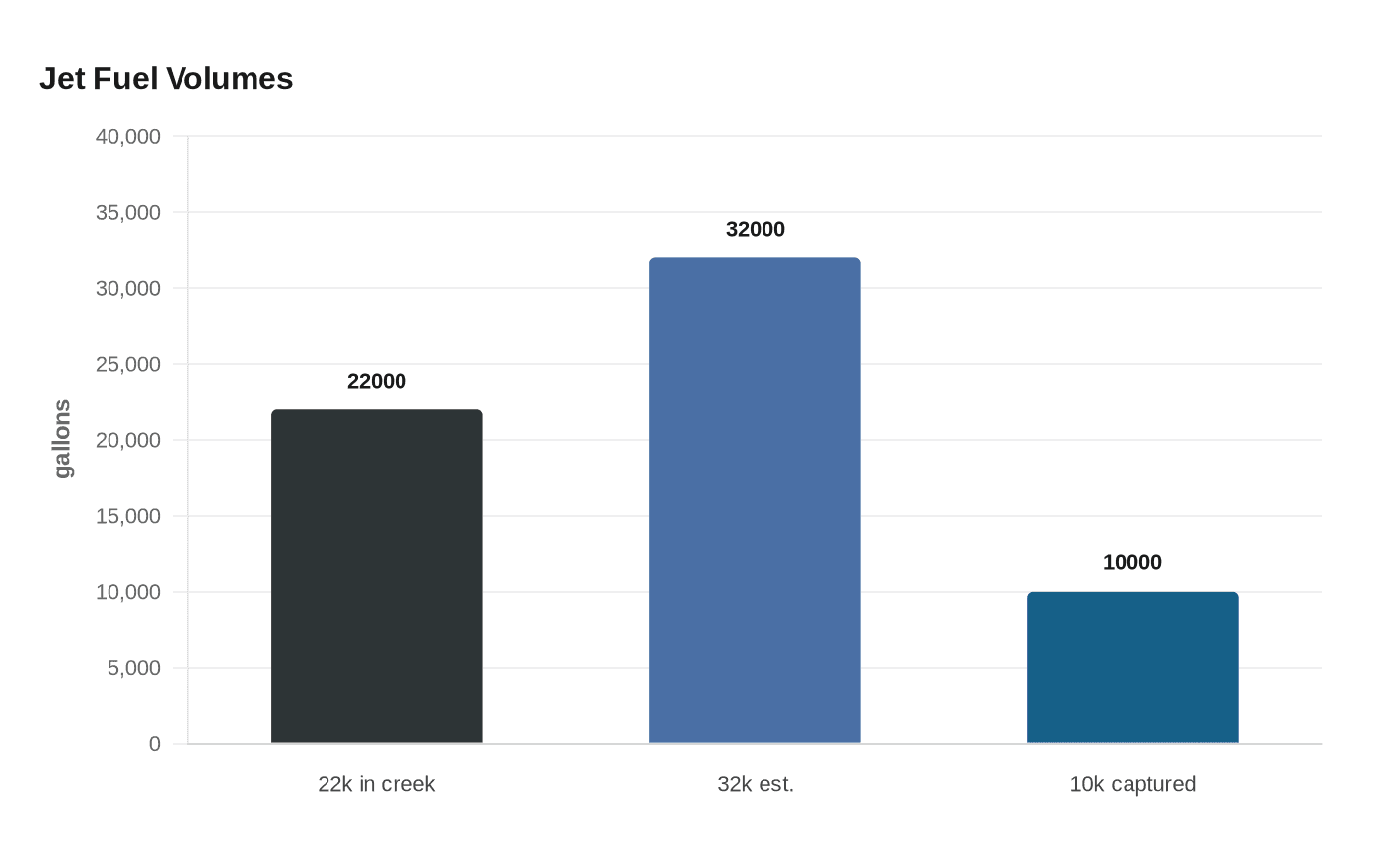
Joint Base Andrews said personnel identified the problem on March 23, 2026, after noticing fuel odors and a sheen on Piscataway Creek. The U.S. Air Force said the Environmental Protection Agency, the National Response Center and Maryland officials were notified that day. Maryland, however, said the full extent of the discharge was not reported until April 8. The Maryland Department of the Environment estimated the spill at roughly 32,000 gallons of jet fuel, while the base said about 22,000 gallons entered Piscataway Creek and about 10,000 gallons were captured before reaching the creek.
The base shut down its fueling system on March 24, identified the leak source on March 30 and drained the affected pipes on April 13. On April 17, state inspectors documented hard booms, absorbent booms, pad sweeps and construction of a second underflow dam. They also recorded about 11,000 gallons of petroleum-impacted liquids stored in a frac tank near the outfall.
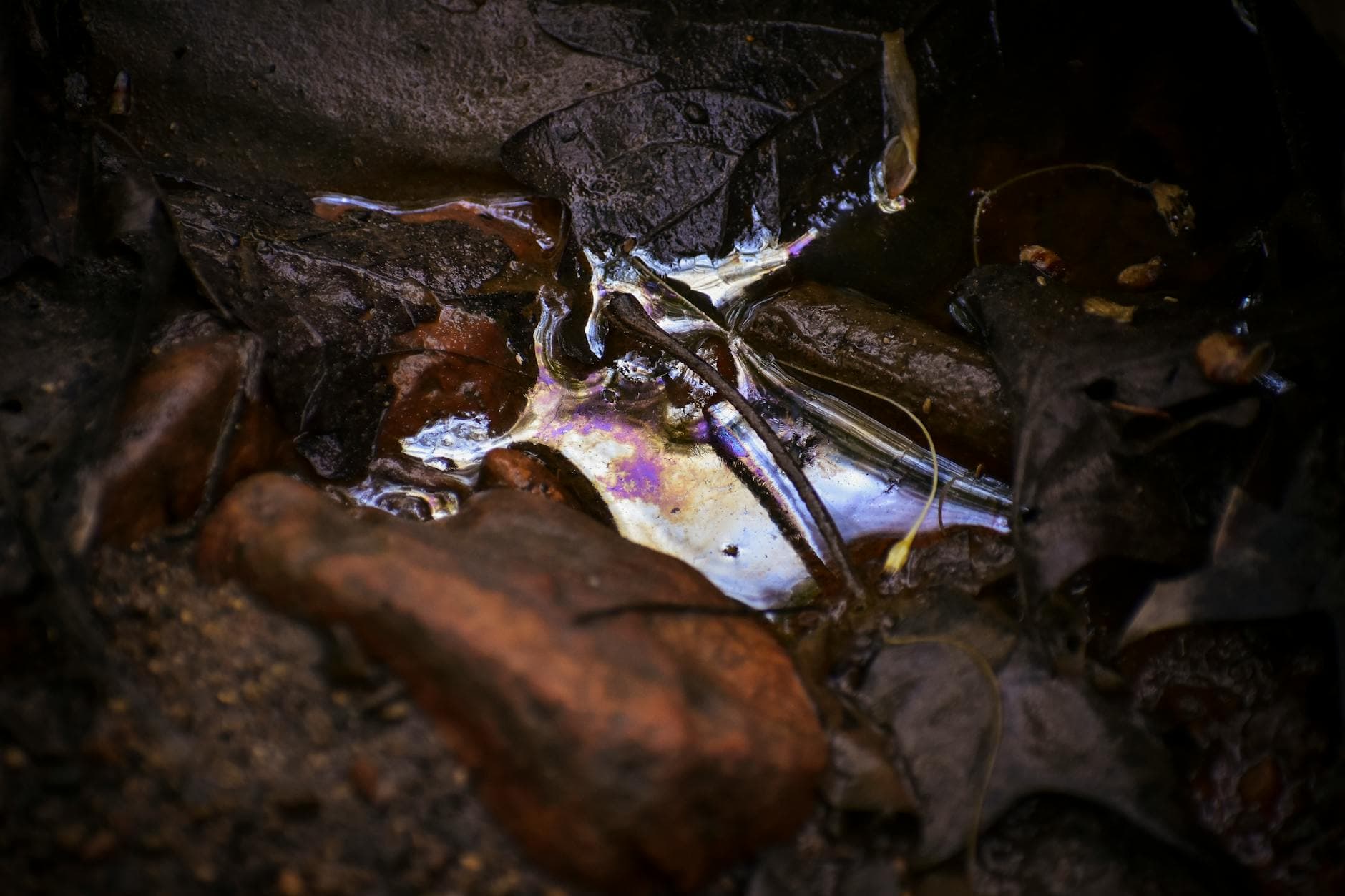
A joint Maryland and EPA Region 3 site visit on May 4 found no petroleum sheen or odors along Piscataway Creek, but inspectors also said they did not observe containment on base during that visit. The creek flows into the Potomac River, a key Chesapeake Bay tributary that supplies drinking water to more than 6 million people in the Potomac basin.
The spill lands in a watershed already under strain. Chesapeake Bay Foundation and Potomac Riverkeeper Network said the delayed reporting was inexcusable and urged the public release of incident records and corrective-action plans. Environmental advocates also pointed to existing fish consumption advisories for Piscataway Creek, where state materials warn anglers about eating some recreationally caught fish. Serena McIlwain, Maryland’s environment secretary, said contamination of Maryland land and water was unacceptable and that the state and local community deserve answers and a robust response. Joint Base Andrews said it remains committed to working with federal and state agencies and said there is no threat to drinking water, but Maryland has advised people to avoid swimming, wading or eating fish in creek areas where petroleum sheen or odor is present.
This article was produced by Prism’s automated news system from verified source data, official records, and press releases, then run through automated quality and moderation checks before publishing. The system is built and supervised by the people who set the standards it runs under. Read our full AI policy.
Did this article answer your question?