Maryland State Police probe suspected DUI driver at College Park barracks
A suspected DUI driver’s pickup attempt at the College Park barracks exposed how language barriers can complicate arrests, custody handoffs and agency coordination.
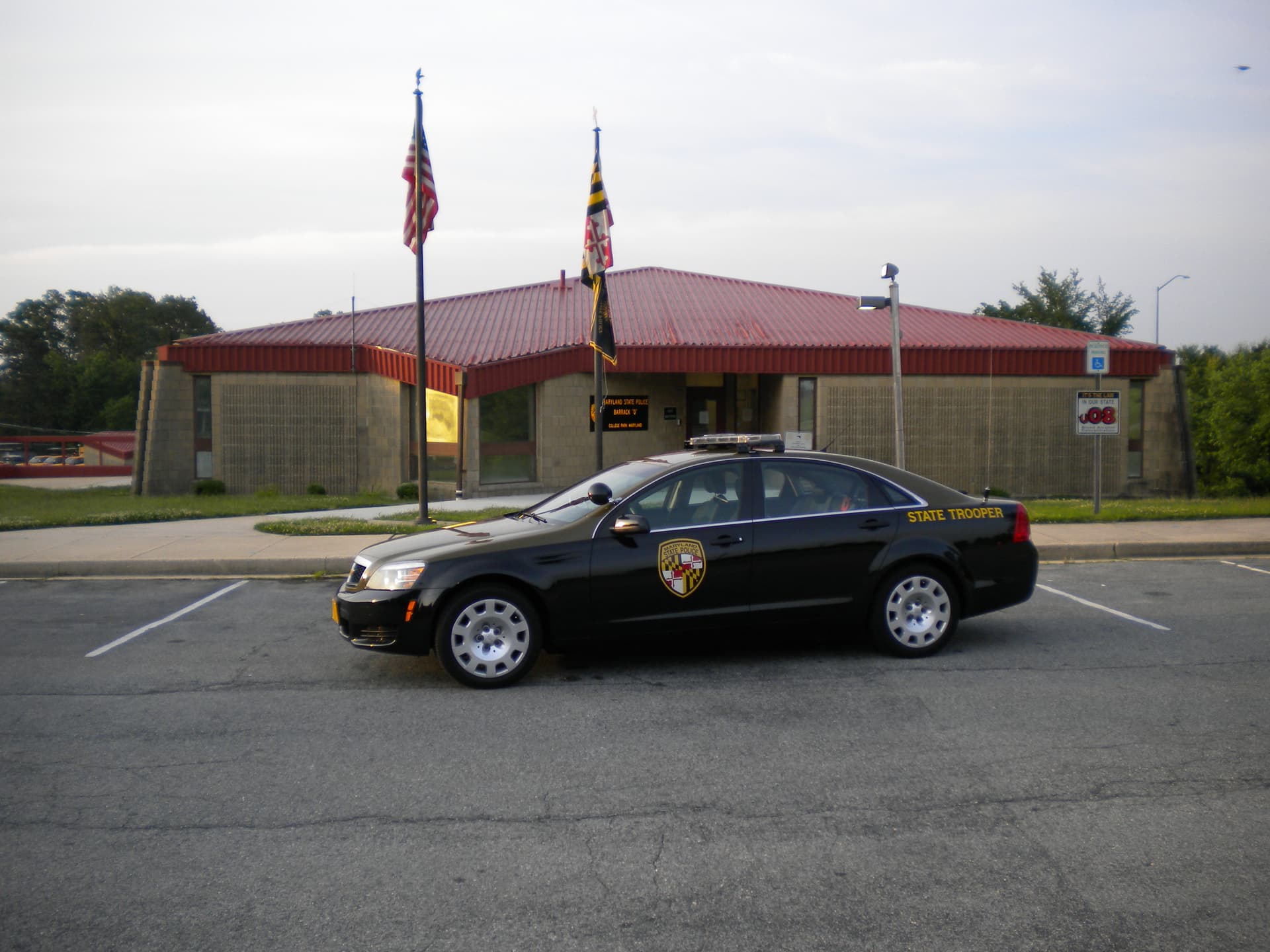
A suspected drunk driver showing up at the Maryland State Police barracks in College Park to pick up another arrested DUI subject has become more than a strange scene. The episode puts a spotlight on how language barriers, intoxication and multiple agencies can collide inside Prince George’s County’s public-safety system.
The College Park post is Barrack Q, one of 23 Maryland State Police barracks statewide. Maryland State Police says its College Park and Forestville barracks are part of a broader effort to fight inter-jurisdictional crime in Prince George’s County, where campus traffic, county roads and state highways often overlap.
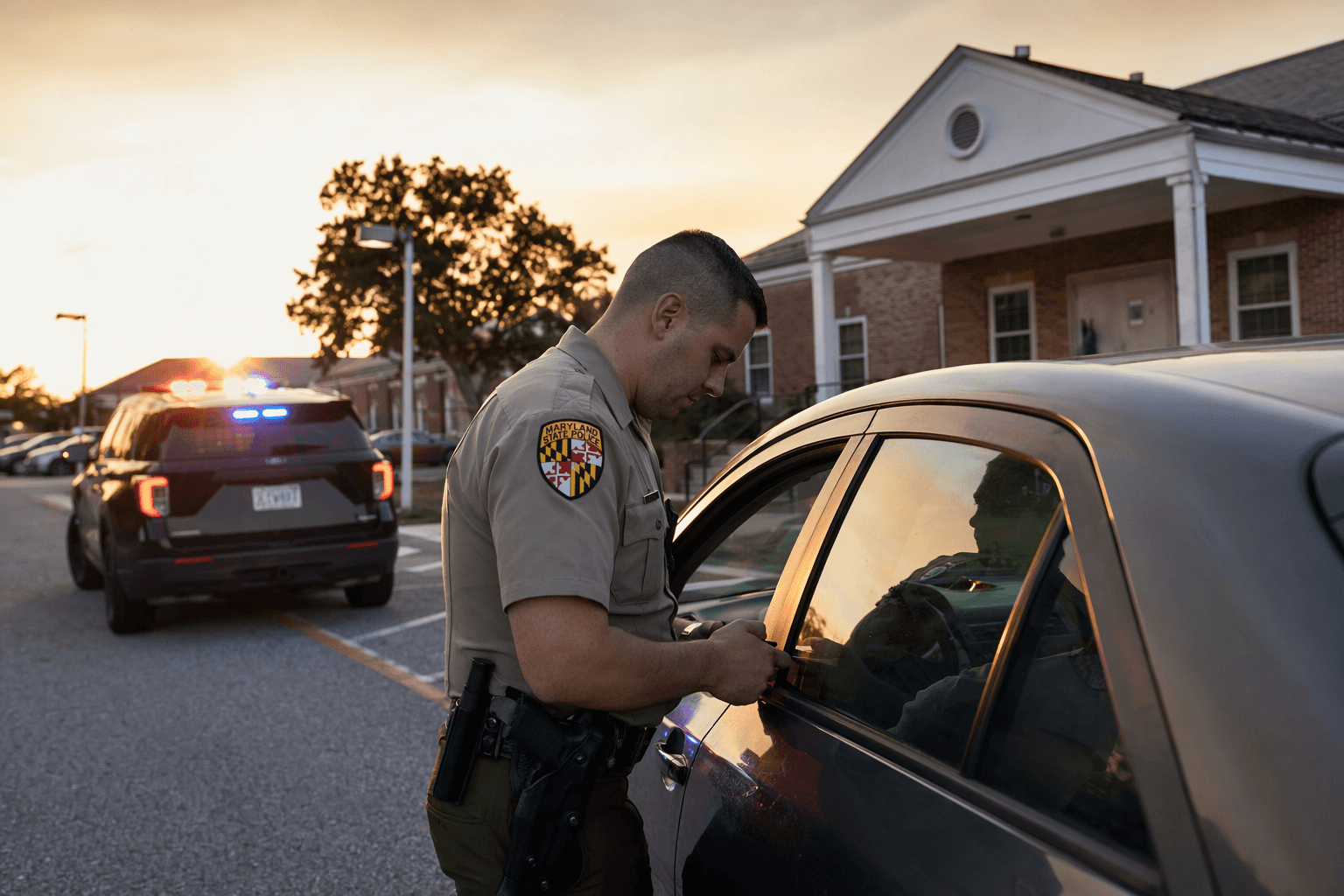
In this case, University of Maryland police assist as the situation unfolds near the University of Maryland, College Park campus. The campus police department operates on and around the university and maintains crisis-response and safety resources in the area, making it a natural partner when incidents spill across agency lines. Here, language barriers complicate the encounter, raising questions about how clearly officers can communicate with impaired people during a custody-related interaction.
That matters in Maryland because impaired driving remains a major enforcement priority. State police launched the SPIDRE program in May 2013 as a targeted effort focused on alcohol-related crashes. The agency says alcohol- and drug-related crashes kill an average of 142 people each year in Maryland, accounting for almost one-third of all traffic fatalities.
Maryland State Police’s 2024 annual report says the College Park and Forestville barracks spent the year using data-driven proactive enforcement and impaired-driver initiatives in identified hot spots. That kind of strategy depends not just on patrol strength, but on accurate communication, clear chain-of-custody decisions and fast coordination when one stop becomes two.
No public names or statement from investigators are tied to the pickup attempt in the material reviewed, and the date of the incident is not identified. Even so, the case shows a practical test for local policing: when impairment, language access and overlapping jurisdictions meet at a barracks door, the difference between control and confusion can shape how safely officers resolve the encounter.
This article was produced by Prism’s automated news system from verified source data, official records, and press releases, then run through automated quality and moderation checks before publishing. The system is built and supervised by the people who set the standards it runs under. Read our full AI policy.
Did this article answer your question?