Maryland marks Cheltenham graves where abused Black children were buried
Maryland marked Cheltenham’s unmarked graves as officials confront who must identify the boys, preserve the cemetery and pay for the work ahead.
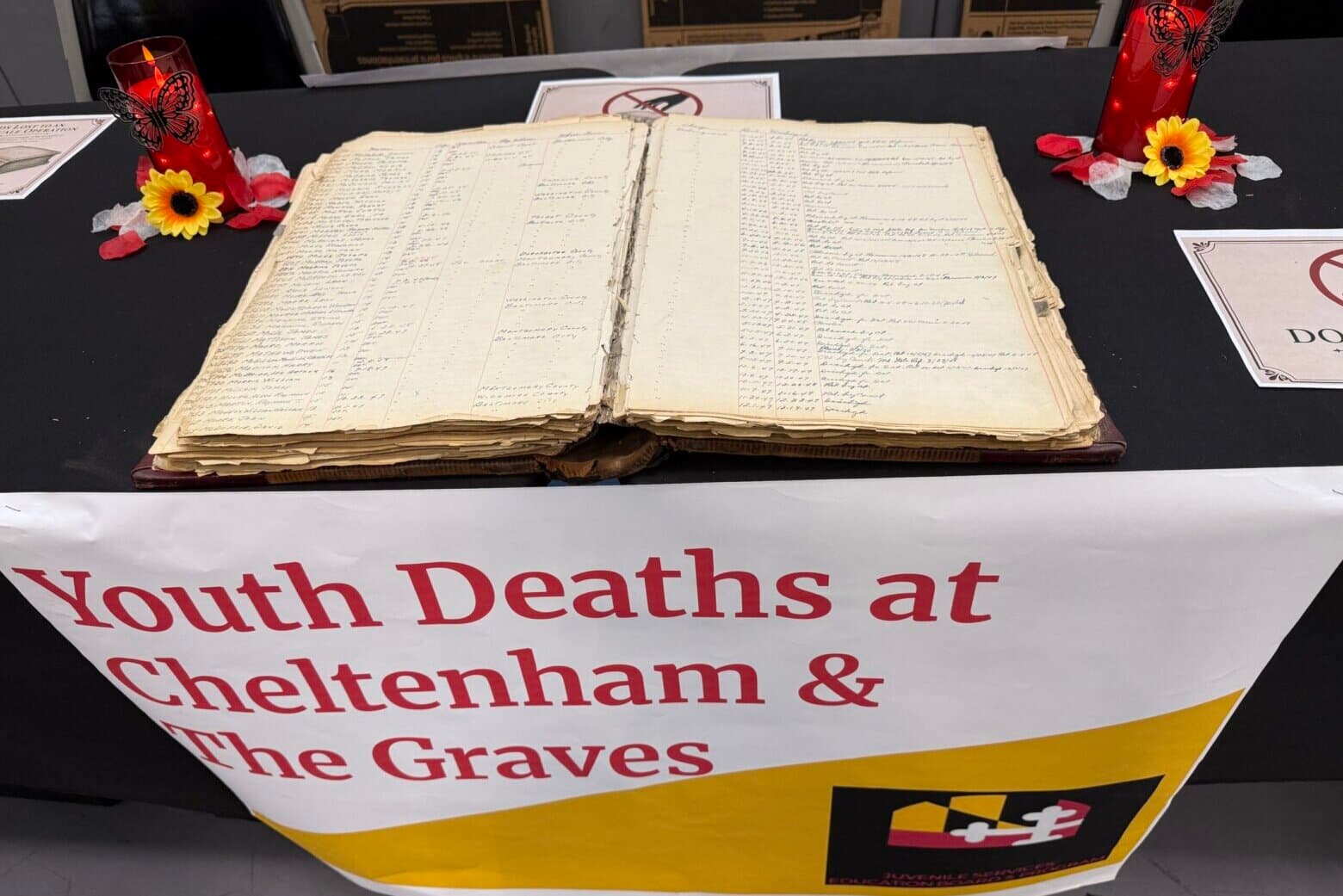
The ground beside the Cheltenham Veterans Cemetery now carries a state marker, but the harder work at the former House of Reformation and Instruction for Colored Children is just beginning: identifying the boys buried there, preserving the site and deciding how far Maryland will go to account for the dead.
Gov. Wes Moore and other officials unveiled the commemorative marker in Prince George’s County as a first public acknowledgment of a place where at least 230 unmarked graves have been found. Moore said the boys at Cheltenham were sent there and “came to die,” and he said the state is committed to finding every burial site.
The site’s history stretches back to 1870, when the House of Reformation and Instruction for Colored Children was incorporated under Chapter 392, Acts of 1870. Maryland State Archives records say Enoch Pratt donated 700 acres in Prince George’s County for the institution, and that before it existed, African American boys accused of crimes were often confined in jails and the Maryland state penitentiary. The facility was renamed the Cheltenham School for Boys in 1937 and took its current Cheltenham Youth Facility name in 1949.
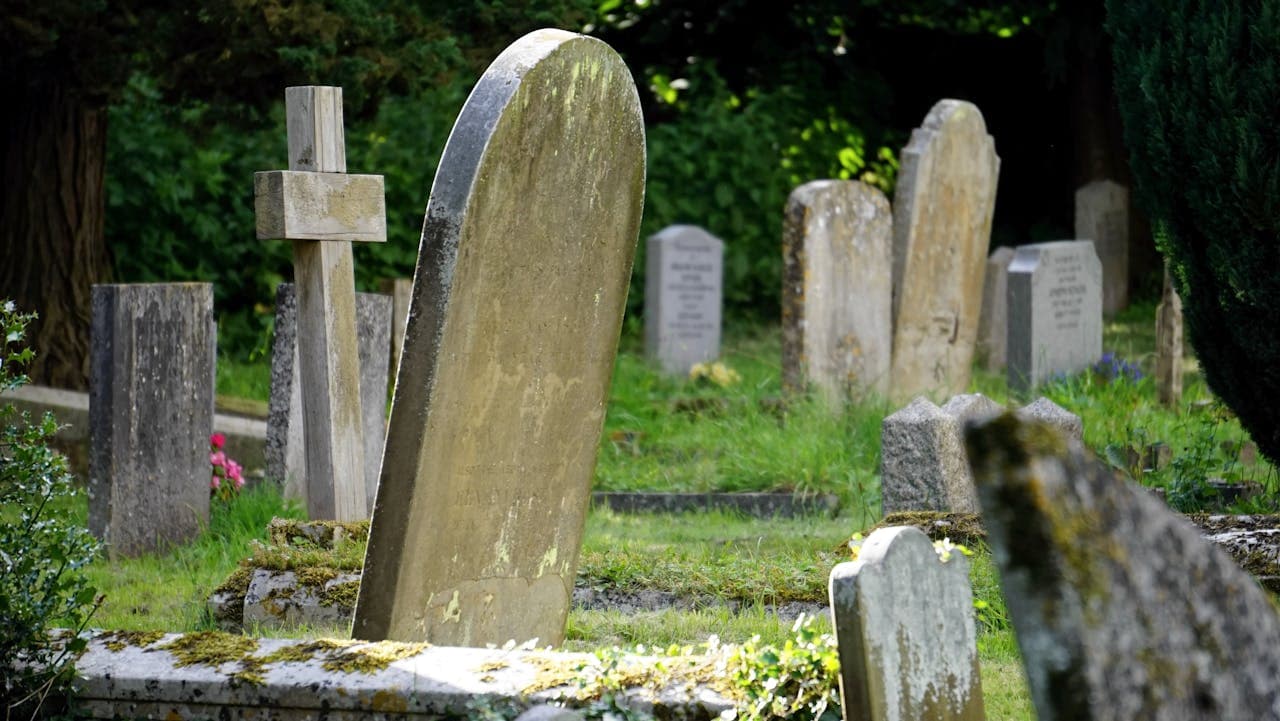
The burial ground has been described as overgrown, with toppled headstones and graves marked only by cinder blocks. Some of the graves are believed to date to the 19th century, and lawmakers who toured the site in September 2025 said some markers go back to the 1880s. One visible marker identified William Jones, age 17. Maryland reporting has also said as many as 100 additional burial sites may be marked only by cinder blocks, suggesting the total number of graves could still rise.
State Sen. Will Smith said a newly formed commission will focus on forensic analysis, genealogical research and historical record review to learn more about what happened at the former House of Reformation property. Maryland Matters reported in February 2026 that the Maryland Department of Juvenile Services received a $200,000 grant to begin searching for remains and restore the cemetery grounds, with ground-penetrating radar part of the plan.
For Prince George’s County, the marker is only the start of a reckoning on land that once held abused Black children and now sits next to a state veterans cemetery. The question facing Maryland is no longer whether the graves exist, but who will identify the boys, protect the ground and answer for the records that still have not told their full names.
This article was produced by Prism’s automated news system from verified source data, official records, and press releases, then run through automated quality and moderation checks before publishing. The system is built and supervised by the people who set the standards it runs under. Read our full AI policy.
Did this article answer your question?