Maryland weighs $85 million bid to reclaim Preakness brand
Maryland is weighing another $85 million for the Preakness brand after committing about $400 million to Pimlico, leaving taxpayers to ask who benefits next.

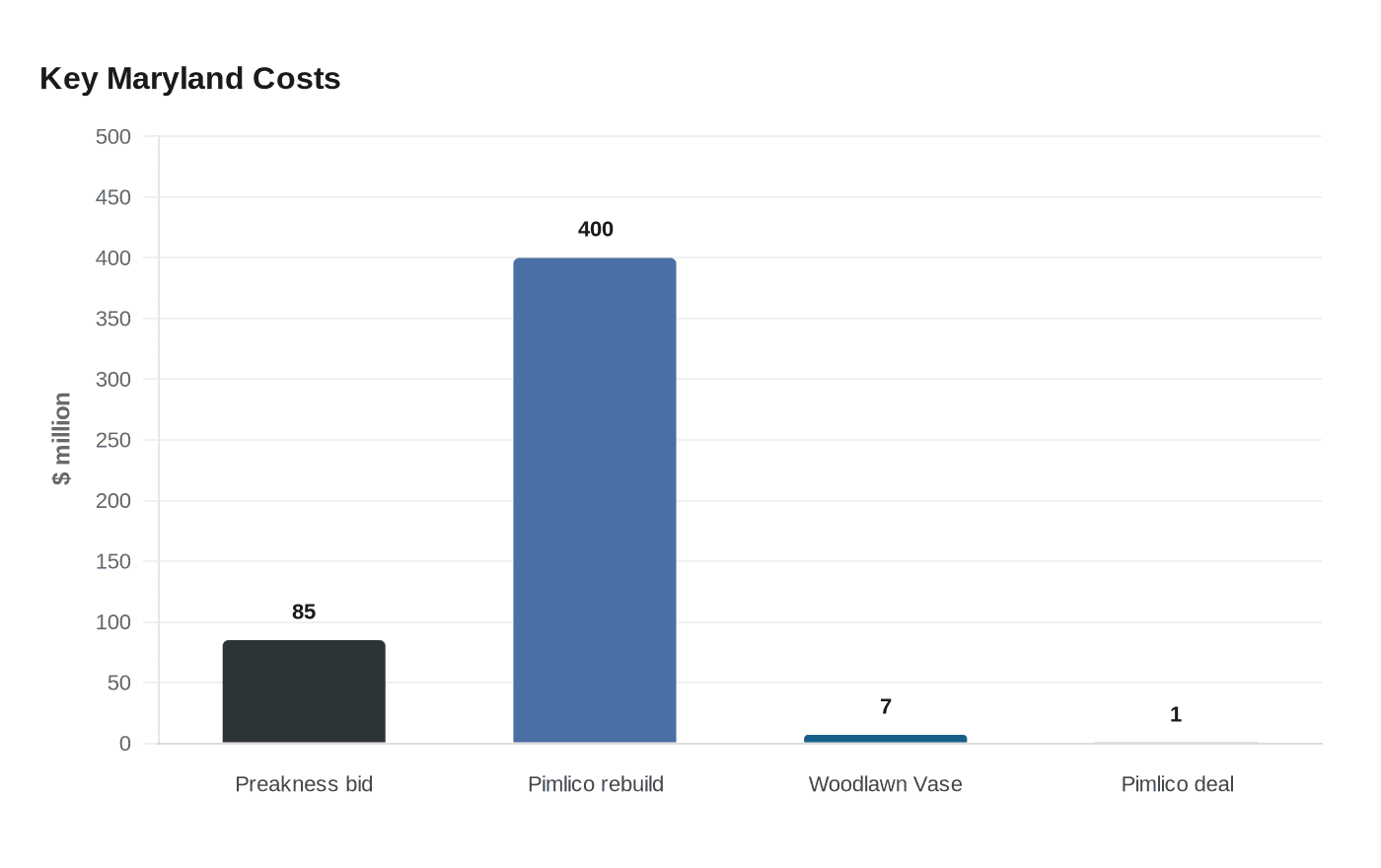
Maryland officials are considering whether to spend another $85 million to buy back the Preakness name, even after committing about $400 million to rebuild Pimlico Race Course and locking the state into a costly racing overhaul that already reaches into Laurel Park. For Prince George’s County residents, the deal lands as another test of what state leaders are choosing to underwrite and who will profit from the state’s race-track reset.
Churchill Downs Incorporated said April 21 that it had reached a definitive agreement to acquire the intellectual property rights, including all trademarks and associated rights, for the Preakness Stakes and the Black-Eyed Susan Stakes from 1/ST Maryland LLC for $85 million. The company said the transaction would close after the 2026 Preakness Stakes and that it would license the rights back to Maryland for an annual fee so the state could keep staging the races.
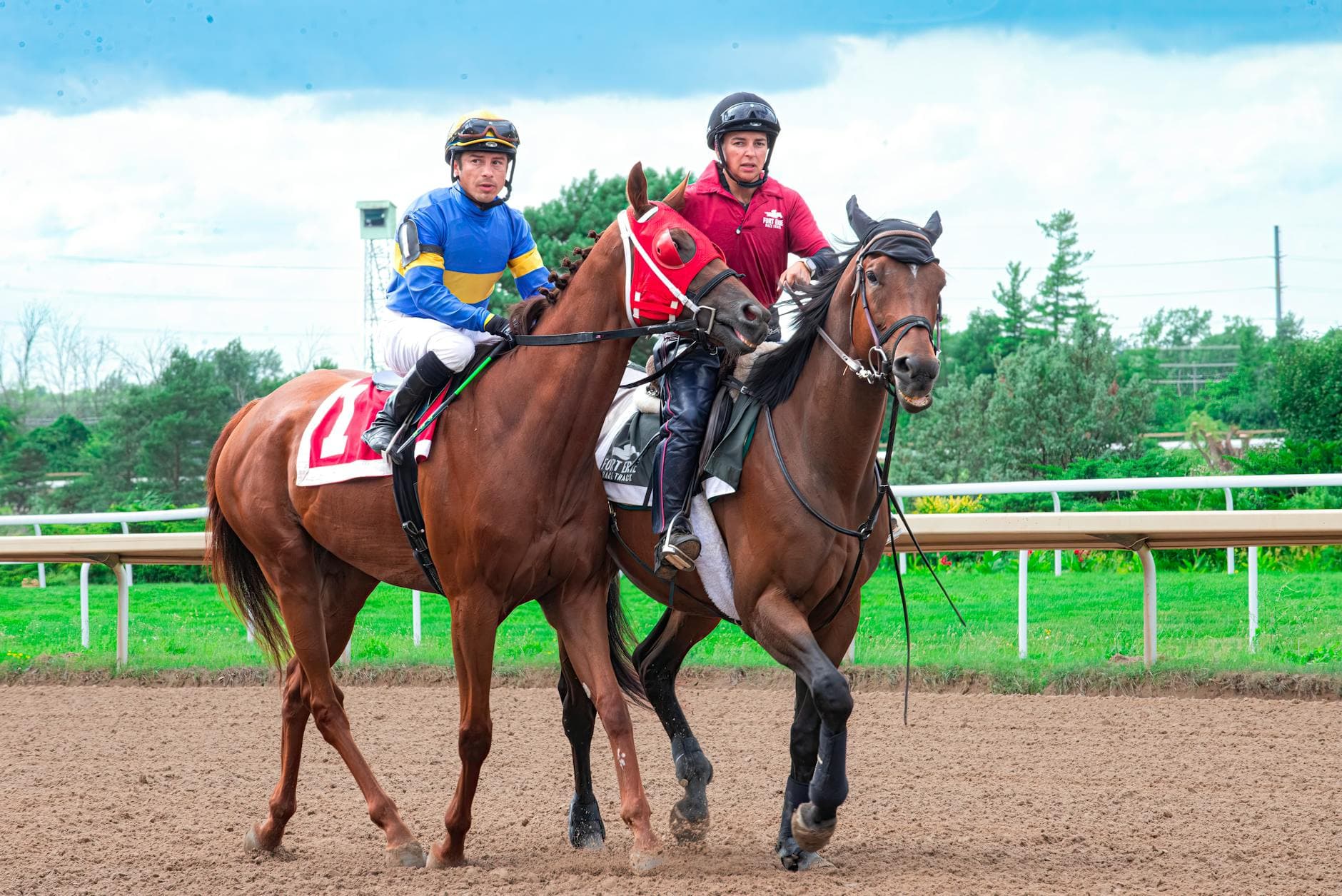
That leaves Maryland in a position it tried to avoid when it struck a broader master agreement with 1/ST Racing in 2024. Under that deal, the state acquired Pimlico for $1, leased Laurel Park for up to four years with rent starting at $1 in the first year and rising to as much as $3.5 million by year four, obtained memorabilia and trophies, and received an exclusive and perpetual license to the Preakness for an initial 10 years beginning in July 2024. The state also received a permanent loan of the Woodlawn Vase, valued at about $7 million.
The new wrinkle is control. Maryland is already paying to rebuild Pimlico in Baltimore, yet the Preakness could still end up owned by a private racing company unless state leaders act. A spokesman for Gov. Wes Moore said no decision has been made and described the discussions as preliminary, while Maryland law reportedly gives the state 60 days from the Churchill Downs agreement to match the offer, a window that extends into the third week of June.
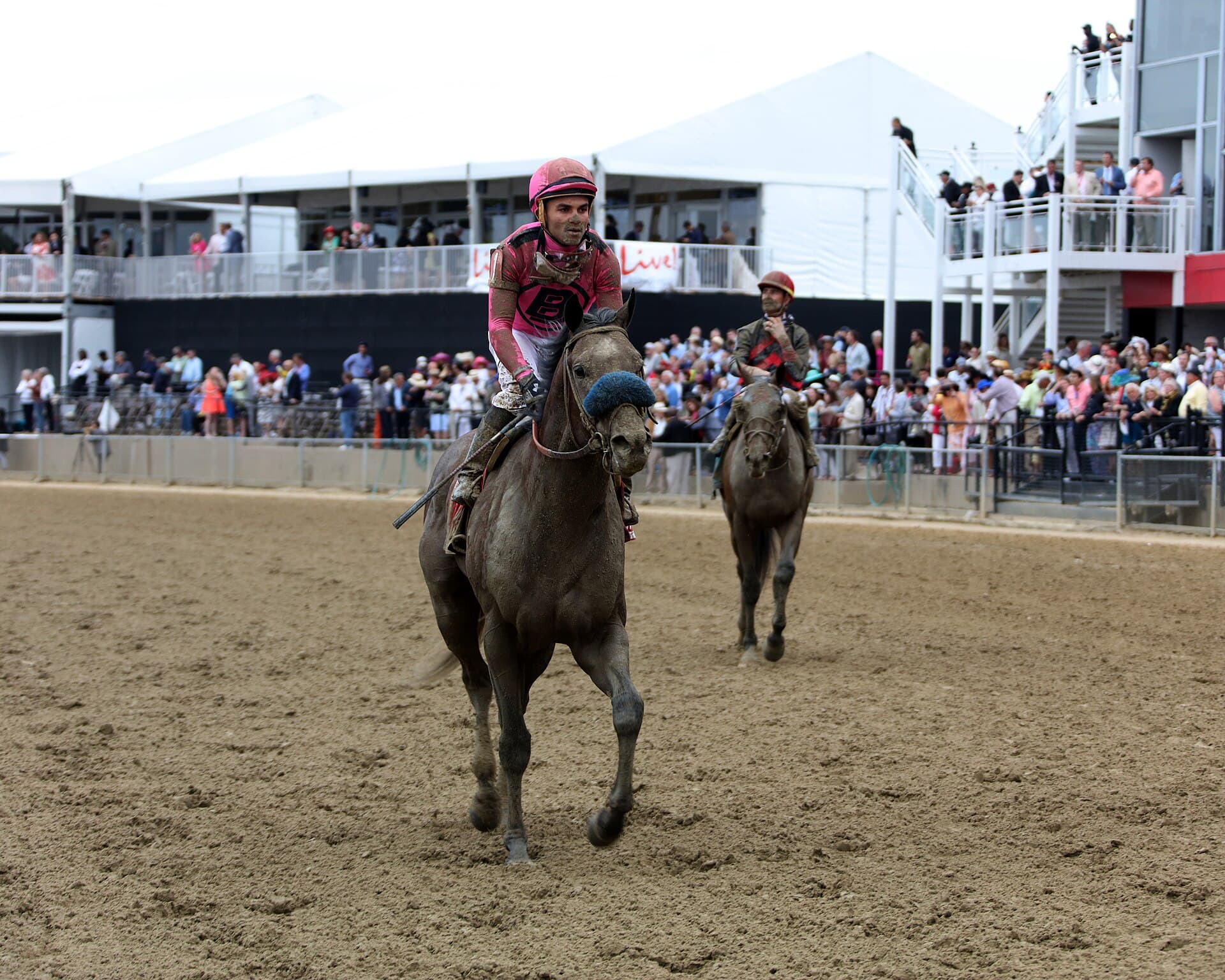
The financial stakes are stark. Churchill Downs CEO Bill Carstanjen called the Preakness “one of the most iconic brands in American sports,” and said the acquisition would keep the intellectual property inside the racing industry while supporting a redeveloped Pimlico and the race’s future in the Triple Crown and wider sports-entertainment market. But for Maryland taxpayers, the question is less about branding than leverage: after hundreds of millions already committed, whether the state should pay again simply to keep control of an event it is already rebuilding around.
The 2026 Preakness is scheduled for Laurel Park while Pimlico remains under construction. If Maryland matches the bid, the state will deepen its financial stake in a race that is central to Baltimore’s sporting identity, while adding another expensive line item to a public bill that stretches far beyond the track.
This article was produced by Prism’s automated news system from verified source data, official records, and press releases, then run through automated quality and moderation checks before publishing. The system is built and supervised by the people who set the standards it runs under. Read our full AI policy.
Did this article answer your question?