NASA Telescope Assembly Completed in Greenbelt, Boosting Local Economy
Engineers at NASA's Goddard Space Flight Center in Greenbelt completed major on ground assembly of the Nancy Grace Roman Space Telescope in late 2025, finishing system level integration and testing inside Goddard's large clean room facilities. The milestone begins a campaign of environmental tests to verify the observatory can survive launch and operate in space, and it sustains hundreds of local jobs while bringing scientists and engineers to Prince George's County.
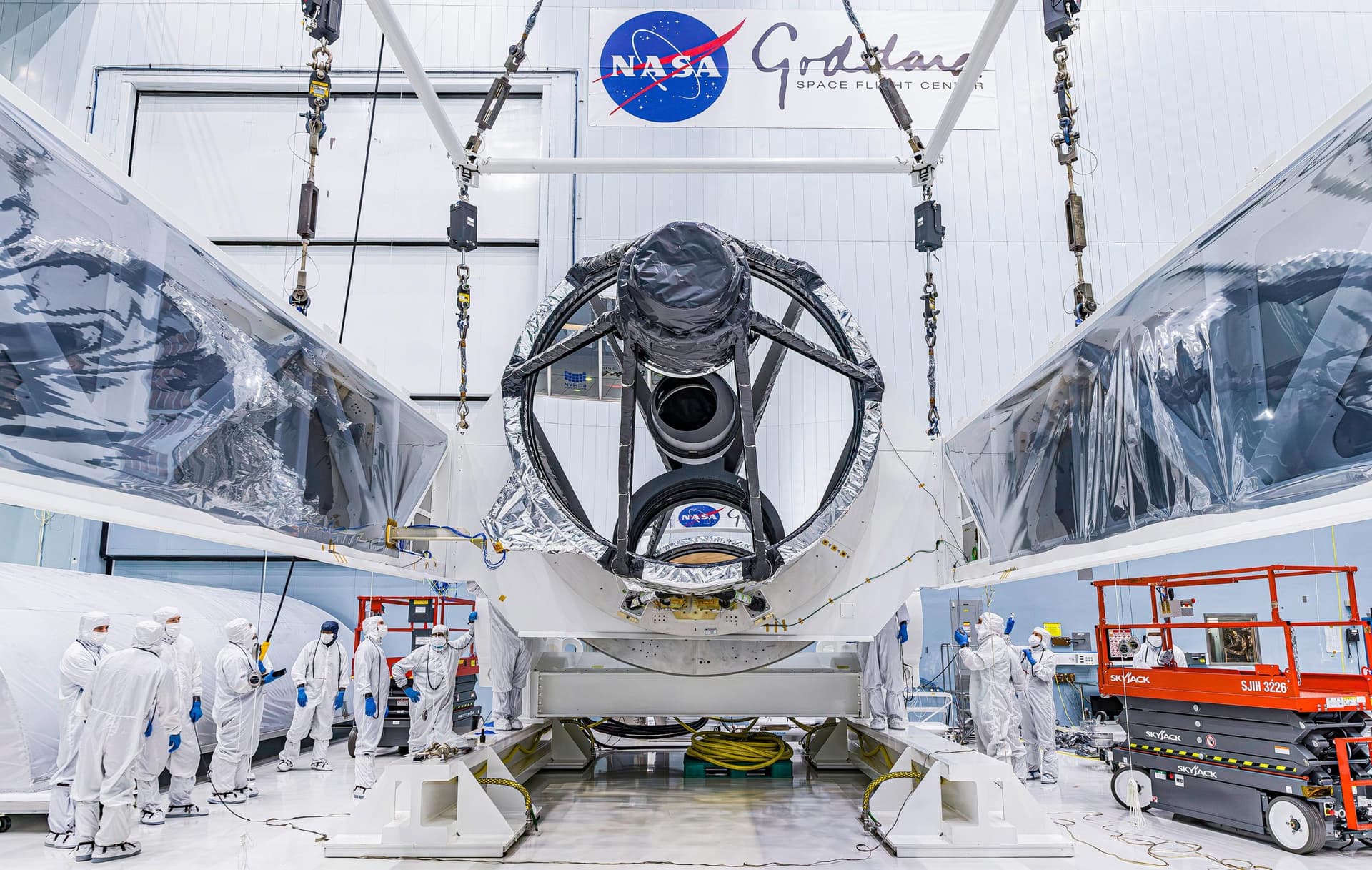
Engineers at Goddard completed the final joining of the Roman Space Telescope's major segments in late 2025, marking the end of assembly and the move to full environmental qualification. Work inside Goddard's large clean rooms finished system level integration and testing, and teams will now conduct thermal vacuum testing, vibration and shock testing, and systems validation to ensure the observatory can survive launch and function in orbit. Those tests are standard steps to simulate the temperature extremes and mechanical stresses of spaceflight before launch testing and remaining mission milestones.
The Roman Space Telescope is a next generation wide field infrared observatory developed at Goddard with a science program that includes studies of dark energy, a microlensing survey for exoplanets, and wide field surveys of the sky. Its optics and instruments were assembled and integrated at Goddard, making this one of the largest science projects physically assembled in Prince George's County. The scale of the work has required expanded clean room capacity, specialized test facilities, and sustained technical expertise from the agency's civil service workforce and regional contractors.
Local economic impact is significant. The program supports hundreds of local contractor and civil service jobs, and it draws visiting scientists and engineers to the Greenbelt area. That inflow of skilled workers and visitors sustains service sector demand for hotels, restaurants, and suppliers, and it reinforces Prince George's County as a regional hub for aerospace and applied research. The presence of a major mission being assembled locally also provides longer term workforce development opportunities for technicians, engineers, and STEM graduates in the county.
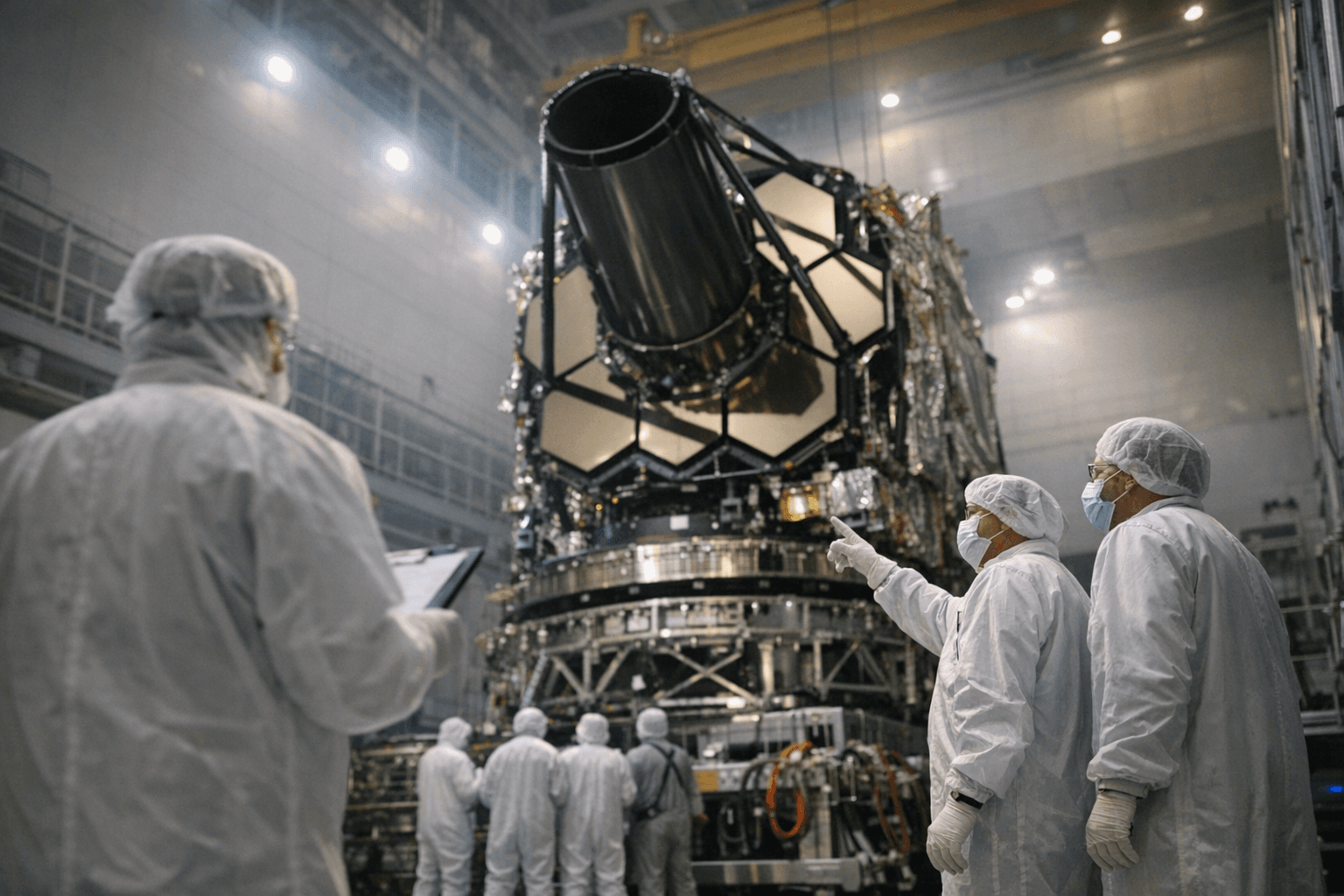
Next steps for the project include the environmental test campaign at Goddard, followed by launch qualification and mission readiness reviews ahead of transport to a launch site. For Prince George's County the Roman program remains a tangible example of federal investment in high technology and scientific research that supports jobs and local businesses while advancing major scientific goals.
Know something we missed? Have a correction or additional information?
Submit a Tip