Prince George's County bans permits for future immigration detention centers
Prince George’s County moved to block permits for future detention centers and sent voters a question that could erase the county’s two at-large council seats.
Prince George’s County drew two lines on the same day: one against future immigration detention centers, the other over how much power countywide voters should keep in county government. The first changes what can be permitted and built in places like Upper Marlboro and Hyattsville; the second could eventually decide whether the county’s two at-large council members remain part of the 11-member Council.
The County Council unanimously approved legislation that would bar building and occupancy permits for any future detention center in Prince George’s County. It also added a formal county-code definition of detention centers, a move supporters said was meant to make the county’s position unmistakable and limit loopholes in future permit fights. In practice, that gives county permitting staff a clearer standard to reject applications before a facility can open and makes the county’s refusal more transparent to the public.
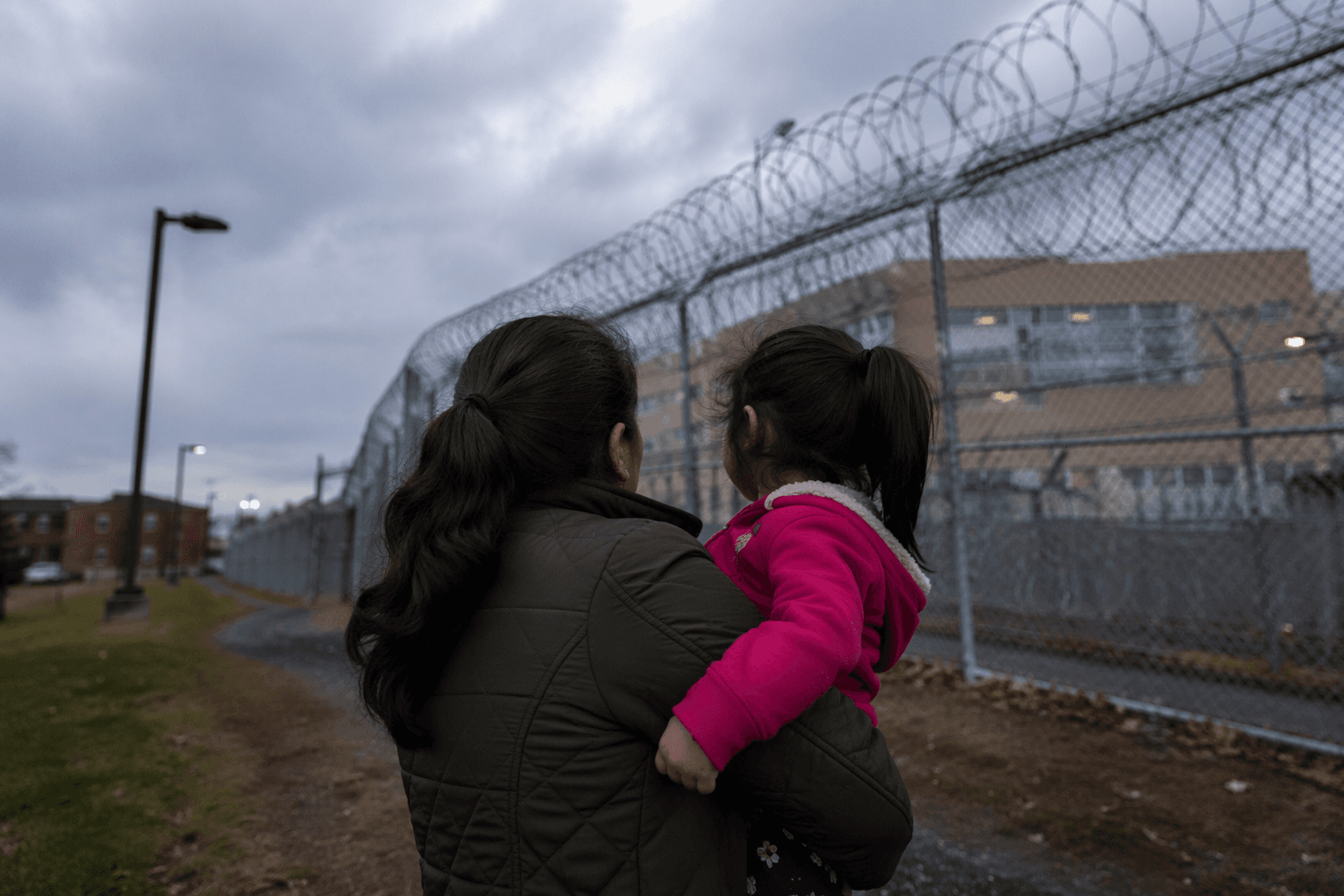
The council action followed Aisha N. Braveboy’s Executive Order No. 9-2026, signed on February 19, 2026, which imposed an immediate moratorium on use and occupancy permits for detention facilities and directed permitting authorities to stop processing related applications. The executive order came as county officials and advocates reacted to a proposed U.S. Immigration and Customs Enforcement-related facility in Hyattsville and to broader fear in immigrant communities. Braveboy’s office also paired the order with a message about designating county properties, lots and garages as safe spaces.
Council Chair Krystal Oriadha had already made the issue a public fight, tying it at a February rally to immigrant families’ fear of being detained because they look or sound different. Rep. Glenn Ivey also criticized detention-center conditions and said the county should not allow such facilities to take root locally. Together, the executive order and council bill amount to a coordinated effort to keep future detention proposals from gaining a foothold in county land-use reviews.
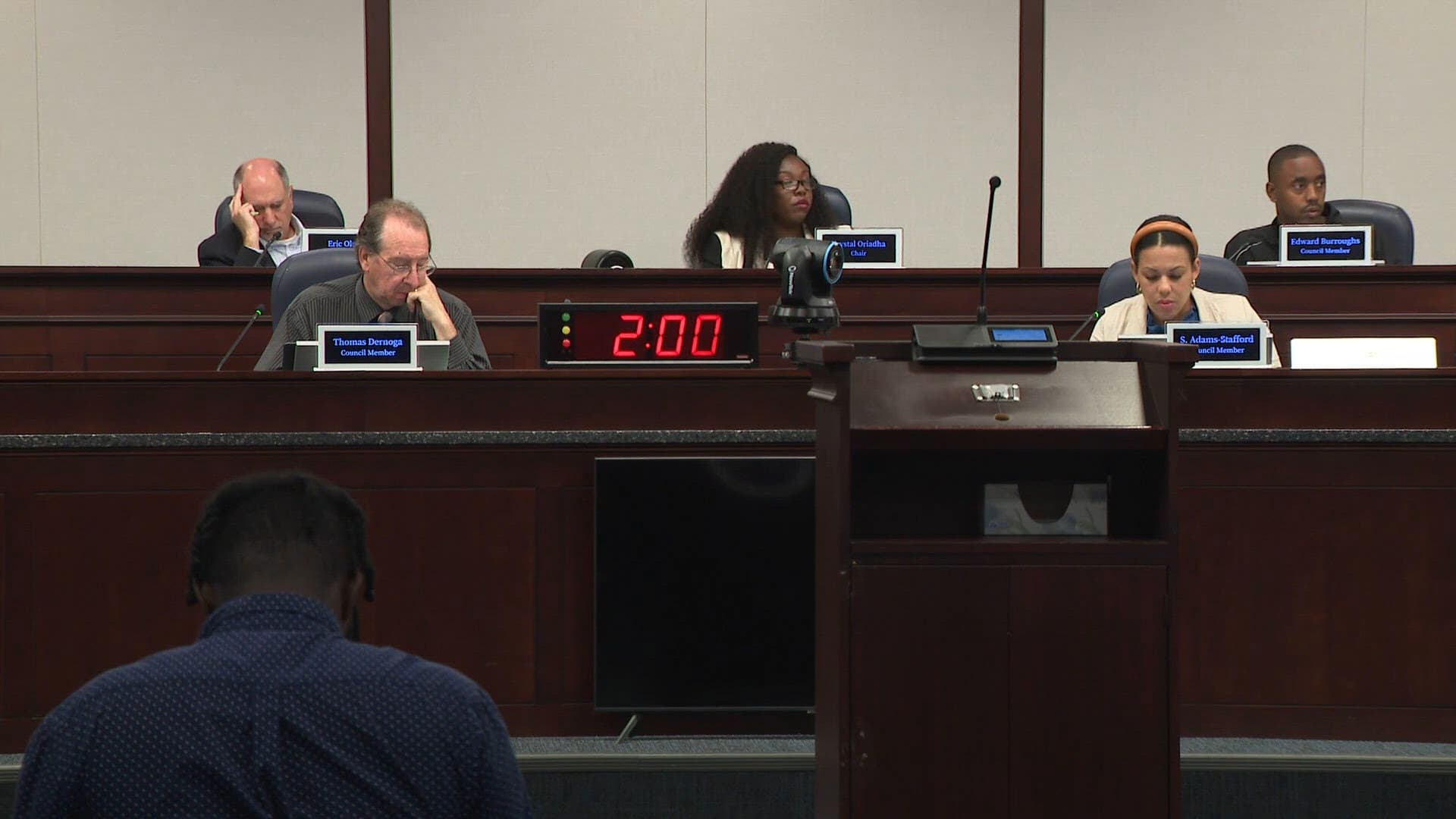
The same meeting also advanced a question about the county’s own structure. The Council voted 8-2 to place a charter amendment on the November ballot asking voters whether Prince George’s County should keep its two at-large seats. The change would not take effect until the 2030 election cycle if voters approve it, meaning the at-large members elected in 2026 would likely serve full terms before the seats disappear in December 2030.
Prince George’s County has 11 council members: nine elected by district and two elected countywide. Voters approved that structure in 2016, when Question D passed 300,090 to 55,340 and created the current system. Jolene Ivey, one of the two at-large members, won a special election on November 5, 2024, and was sworn in on December 5, 2024. Filing for the 2026 cycle closed on February 24, underscoring how slowly any change to the council map would move through the political calendar.
Thomas Dernoga sponsored the ballot question, saying repeated voter complaints put the issue where it belongs: with the electorate. Sydney Harrison and Jolene Ivey opposed the move, arguing that at-large seats still serve a countywide purpose. If voters approve the amendment, Prince George’s will not just be blocking a type of facility. It will also be deciding whether countywide representation itself should remain part of how power is divided.
This article was produced by Prism’s automated news system from verified source data, official records, and press releases, then run through automated quality and moderation checks before publishing. The system is built and supervised by the people who set the standards it runs under. Read our full AI policy.
Did this article answer your question?