Prince George's County braiders draw clients with skill, fair prices
In Prince George’s County, braiding is a business built on trust, fair prices and repeat clients, with a market big enough to sustain long-running shops.
A county-sized market for Black hair care
Prince George’s County has the scale to support a serious braiding economy. The county’s population stands at 967,201, and 62.0% of residents identify as Black alone, a demographic reality that helps explain why braids, twists and other protective styles are not a niche service here but part of everyday life. With 353,909 households, 16,350 employer establishments and a median household income of $99,180, the county combines a large customer base with the spending power needed to keep neighborhood beauty businesses busy.
That matters because braiding is not just about aesthetics. It is a local service economy built around convenience, cultural knowledge and repeat business. In a county that is also the sixth largest in Maryland by land area, customers often choose a stylist not only for skill, but for proximity, reliability and the comfort of being understood.
What clients are really buying
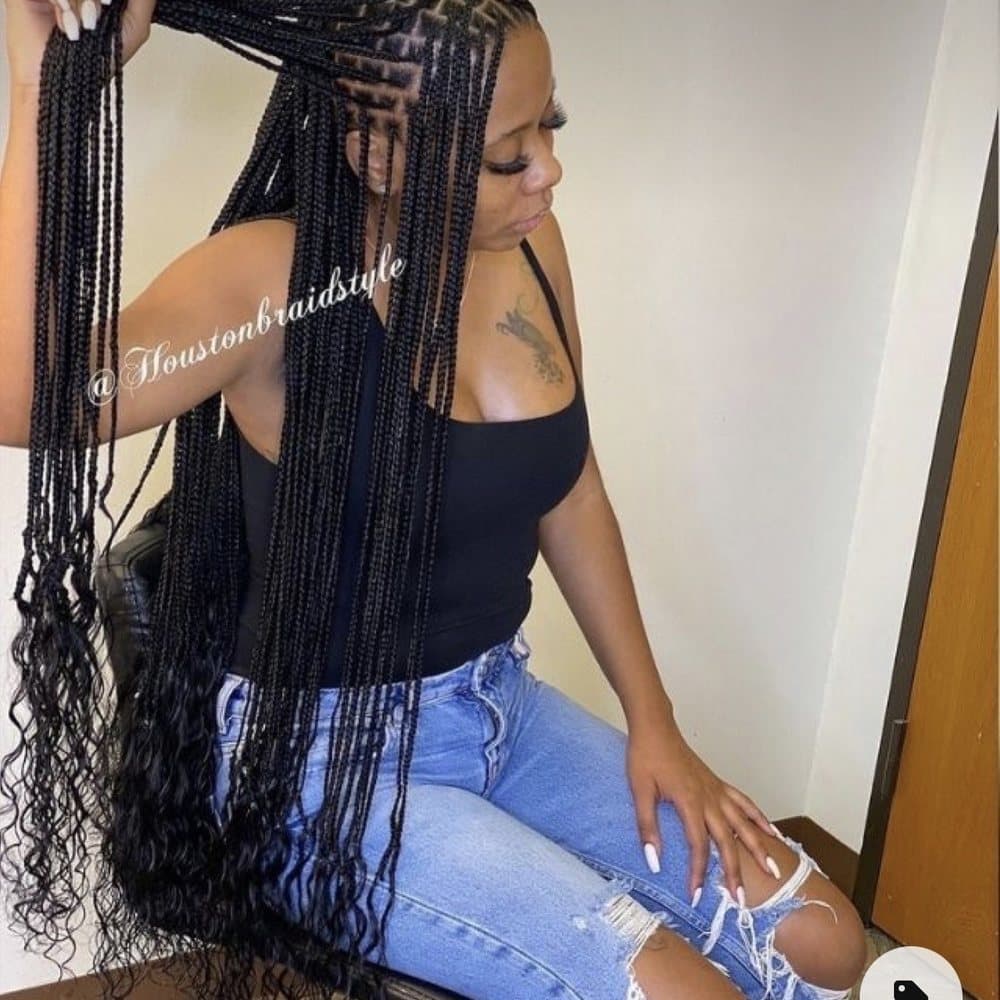
The strongest braiders in Prince George’s County draw clients with a simple promise: a style that looks good, lasts and feels fairly priced. Box braids, feed-ins and twists are central to that market, but the real product is trust. Customers want a stylist who listens, understands hair texture and can deliver a look that fits both budget and schedule.
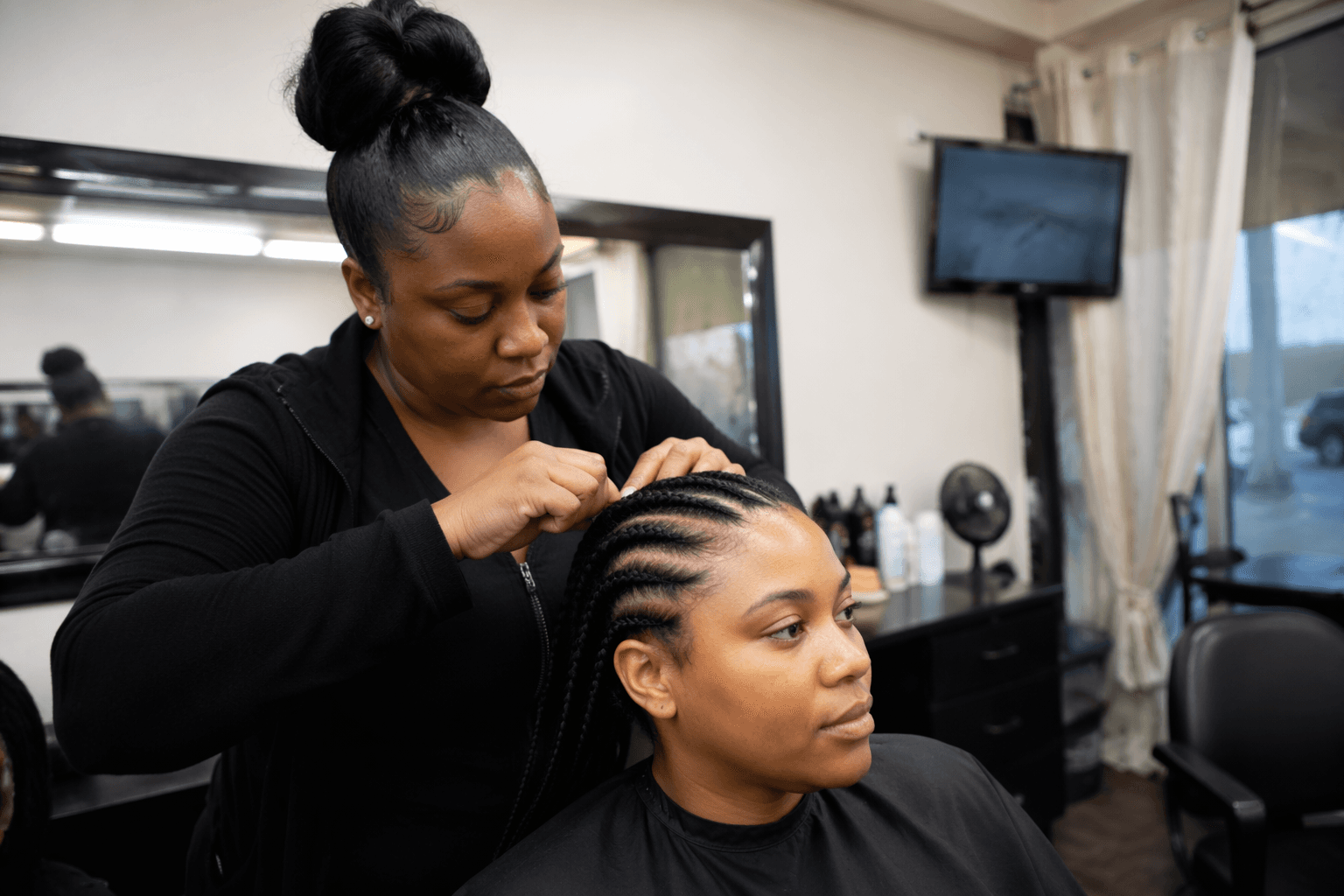
That is why the county’s braiding scene has become such a useful window into the broader Black beauty economy. A good braider is often part artist, part problem-solver and part small-business operator. Clients return because they know what they are getting, and because skilled braiders create consistency in a market where personal recommendation often matters more than advertising.
A long-running storefront shows the model
Super Hair Braiding at the Mall at Prince George’s in Hyattsville offers a clear example of how the business works when it is built for endurance. The shop says it has specialized in African-style braids and has served clients since 1997, giving it the kind of staying power that only comes from a steady local following.
That longevity is important economically. A salon that can hold clients for decades becomes more than a beauty stop. It becomes a neighborhood institution, a source of jobs and a place where dollars stay in the county. For families balancing work, school and everyday errands, the mall location also makes sense: it puts specialized hair care inside a familiar retail destination, where parking, shopping and appointments can be bundled into one trip.
Why the business is bigger than a chair and comb
Prince George’s County’s Black beauty economy is tied to the scale of its community institutions. Prince George’s County Public Schools says it is the 18th largest school system in the United States and the second largest in Maryland, with 200 schools and centers, a $2.3 billion annual budget and more than 22,000 employees. That creates a daily rhythm of commuters, parents, students and staff who all need services that fit into busy schedules.
The county government has also made local business support part of its economic identity. During the COVID-19 pandemic, it launched Buy Prince George’s to connect residents with local businesses and support the county economy. Its business resources pages point residents toward small and minority-owned businesses, while FSC First is identified as a major lender for non-traditional financing. That infrastructure matters for braiders because beauty businesses often depend on modest start-up capital, local clientele and the ability to grow without losing their customer base.
The rules that shape who can work
Braiding may be culturally rooted, but in Maryland it also sits inside a regulatory framework. The Maryland Board of Cosmetologists regulates hair services, and the state has a separate limited license to provide hair services. That license requires 1,200 hours of instruction or 15 months as a registered apprentice, along with one hour of domestic-violence-awareness training. Applicants must be at least 17 and have completed ninth grade or earned a GED.
Those requirements shape the economics of entry. They can help professionalize the field, but they also create time and training costs for people trying to turn a skill into income. For braiders, the practical question is not just whether they can do the work, but whether they can meet the licensing threshold, find affordable space and build a client list fast enough to make the business sustainable.
Space, rent and the home-business squeeze
The biggest challenge for many braiders is not demand. It is overhead. Rent in commercial spaces can make a dedicated salon costly, while home-based work can raise questions about zoning, visibility and how many clients can be served without running into neighborhood restrictions. That tension is central to the modern braiding business: the service is highly personal, but the economics are shaped by real estate, regulation and the need to operate where customers can actually find you.
This is why established shops and well-known stylists matter so much. A storefront in a busy place like the Mall at Prince George’s offers visibility and foot traffic. A home-based braider may have lower rent, but often has to rely more heavily on referrals, social media and repeat clients to fill the schedule. In either case, the business depends on trust built one head at a time.
A regional economy with staying power
Prince George’s County is part of a broader Washington-area braiding network, and the region has examples of braiding businesses that grow into multi-generational institutions. Washingtonian reported that the African Braiding Center in Washington, D.C., opened its first location in 1992 and later expanded as the business grew. That kind of longevity shows how braiding can move from a single chair to a durable family enterprise.
For Prince George’s County, the lesson is clear. The county’s demographics, household income, retail density and public institutions create the conditions for a robust Black beauty economy. The braiders drawing clients here are not just styling hair. They are running businesses inside a market that rewards skill, fair pricing and cultural fluency, and they are helping keep local money, local knowledge and local identity in the county.
This article was produced by Prism’s automated news system from verified source data, official records, and press releases, then run through automated quality and moderation checks before publishing. The system is built and supervised by the people who set the standards it runs under. Read our full AI policy.
Did this article answer your question?