Prince George's County proposal would pay residents to report dumping
Illegal dumping in Prince George’s could soon pay residents who catch it on camera. The county also wants 48-hour cleanups in busy corridors and steeper fines.
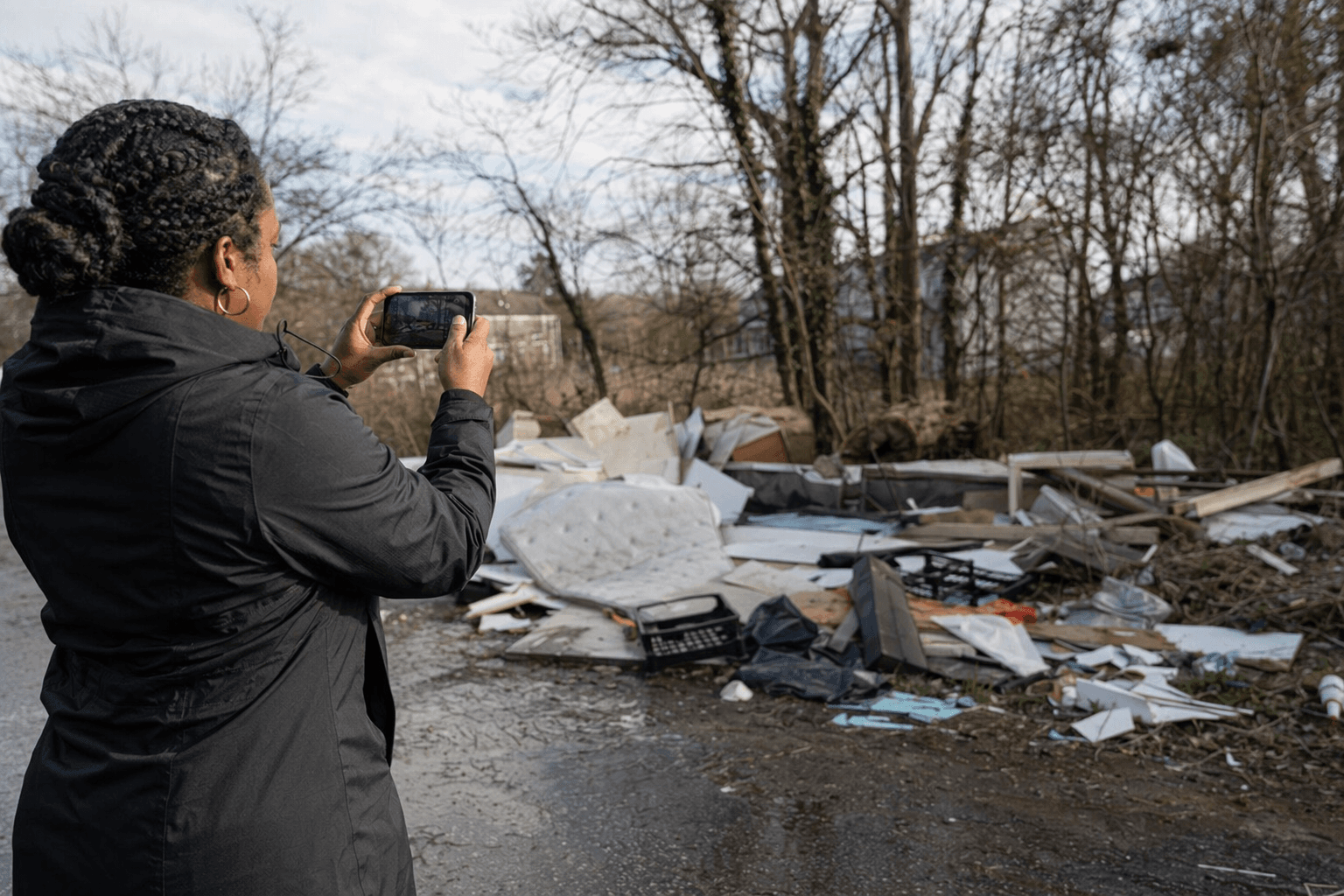
A pile of tires, furniture or construction debris could soon cost Prince George’s County more than a cleanup crew. Under a new package from County Council Chair Krystal Oriadha, residents who document illegal dumping and other violations could be paid from the fines collected, while the county moves to speed cleanups and raise penalties across some of the dirtiest corners of the county.
Oriadha introduced the six-bill, one-resolution community beautification package on Tuesday, May 12, 2026, and the council held a 11:30 a.m. press conference at the Wayne K. Curry Administration Building in Largo. The proposal is aimed at illegal dumping, litter, neglected properties and illegal signs, with a particular focus on communities where residents say trash and blight have become part of the daily landscape. District 7, which Oriadha represents, includes Capitol Heights, District Heights, Hillcrest Heights, Marlow Heights, Morningside, Seat Pleasant, Suitland, Temple Hills and parts of Forestville and Oxon Hill.
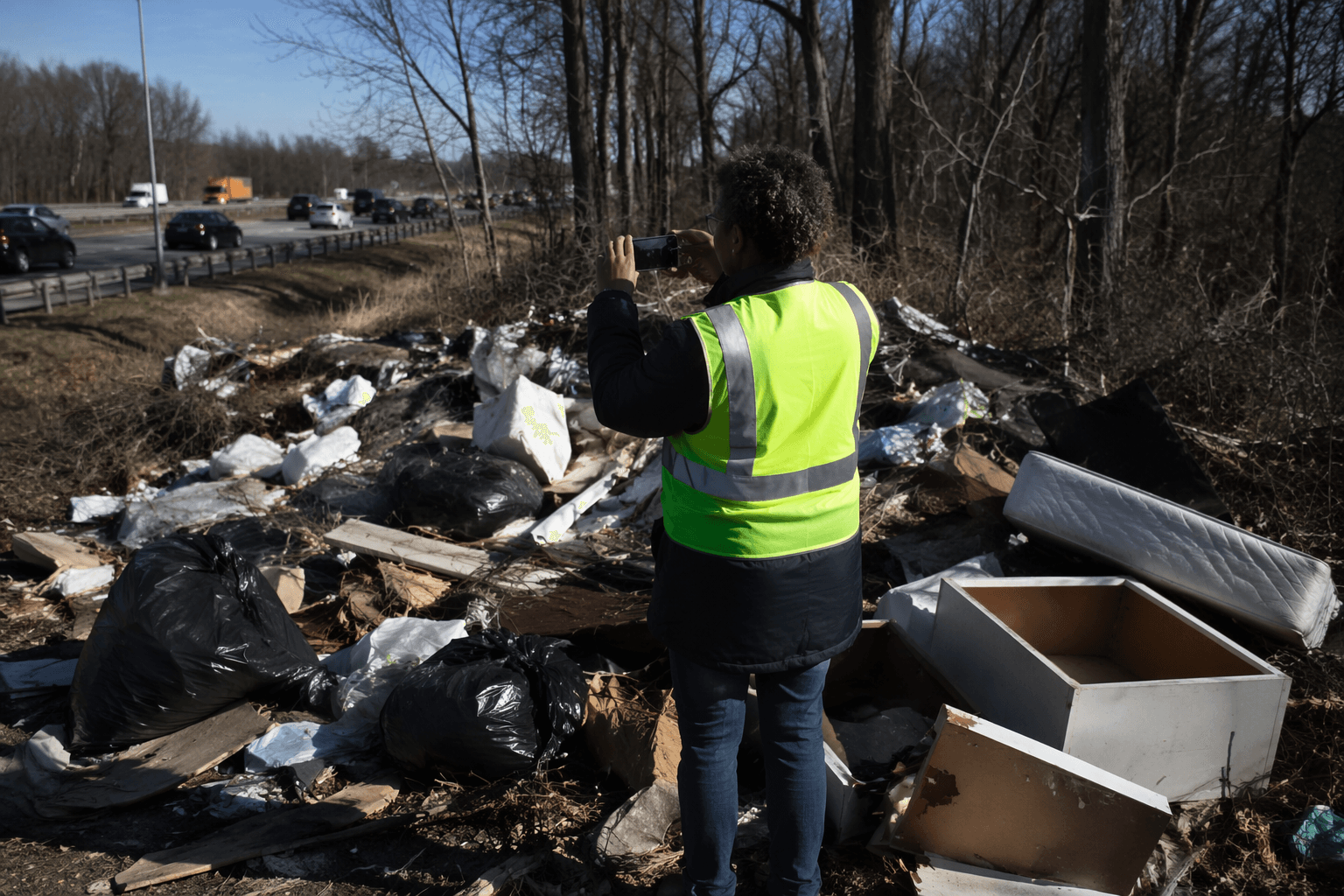
The most striking piece is the reward concept. The proposal known as See It, Snap It, Get Paid would let people who submit photos or videos of violations receive up to half of the civil fines collected by the county. Maryland already cleared the way for that model in 2025, when Senate Bill 525 authorized Prince George’s County to create a pilot program for public video evidence tied to illegal dumping or littering. The county is now trying to turn that permission into a local enforcement tool.
Other bills in the package are built around speed and visibility. CB-41-2026, the Clean Corridors and Rapid Response Program, would require the Prince George’s County Department of Public Works and Transportation to remove illegal dumping, litter and other debris in high-traffic and high-visibility areas within 48 hours. CB-42-2026, the Clean Communities Transparency Dashboard Act, would require PGC311 to build a public dashboard showing recorded violations and cleanup of illegal dumping and litter incidents.
The package also goes after repeat property neglect. CB-43-2026 would impose a $1,000 fine for a first offense if a vacant property is not cleaned up after notice, $2,000 for a second offense and $5,000 for additional offenses. CB-44-2026 would sharply increase fines for unpermitted signs posted on county roads, utility poles and traffic lights.
County officials already point residents to 311 or the police non-emergency line at 301-352-1200 to report dumping in progress. The county also says its litter-reduction work includes PGCLitterTRAK, Adopt-A-Stream, cleanup programs and partnerships with residents, nonprofits and municipalities. An Anacostia Riverkeeper report last year identified 143 illegal dump sites in the Prince George’s County portion of the Anacostia Watershed, a reminder that the problem is not just cosmetic. It is an environmental and neighborhood-quality issue that keeps showing up on roads, in vacant lots and near waterways, and the county is now betting that faster cleanup, public tracking and citizen-paid enforcement can make that harder to ignore.
This article was produced by Prism’s automated news system from verified source data, official records, and press releases, then run through automated quality and moderation checks before publishing. The system is built and supervised by the people who set the standards it runs under. Read our full AI policy.
Did this article answer your question?