Prince George's County study targets missing middle housing options
Prince George’s planners say 94% of residential land is tied to single-family zoning, even as 72% of renters are cost-burdened. The county will brief its missing middle housing plan on June 4.
Prince George’s County planners are putting a housing system built for detached homes under scrutiny as renters strain to keep up with costs. The Planning Department says 94% of land zoned for residential use is dedicated to single-family housing, while 72% of renters are cost-burdened. Officials will brief the Planning Board on Thursday, June 4, at 10 a.m., then take the issue to the County Council on June 29.
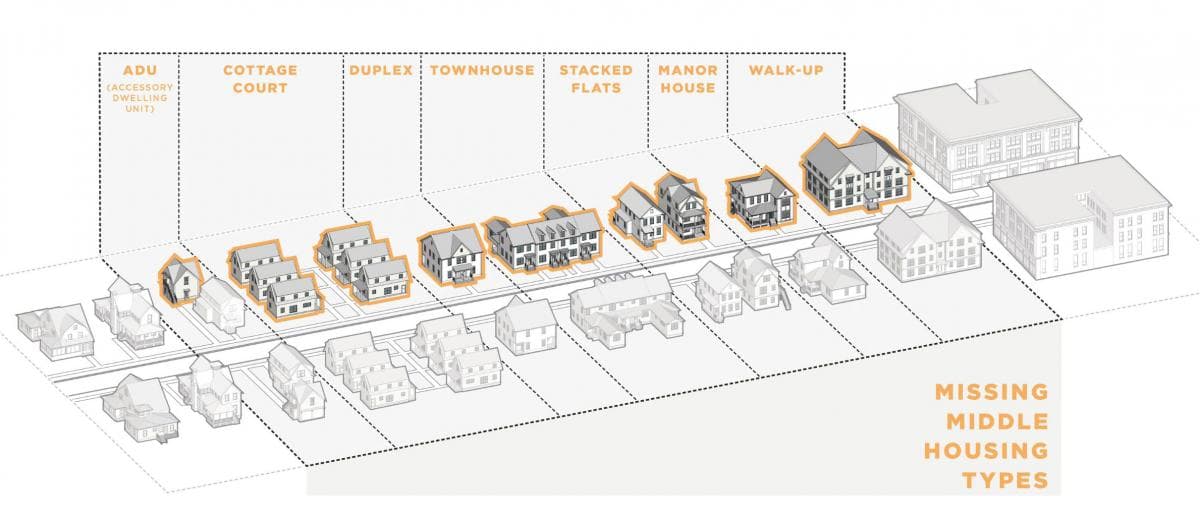
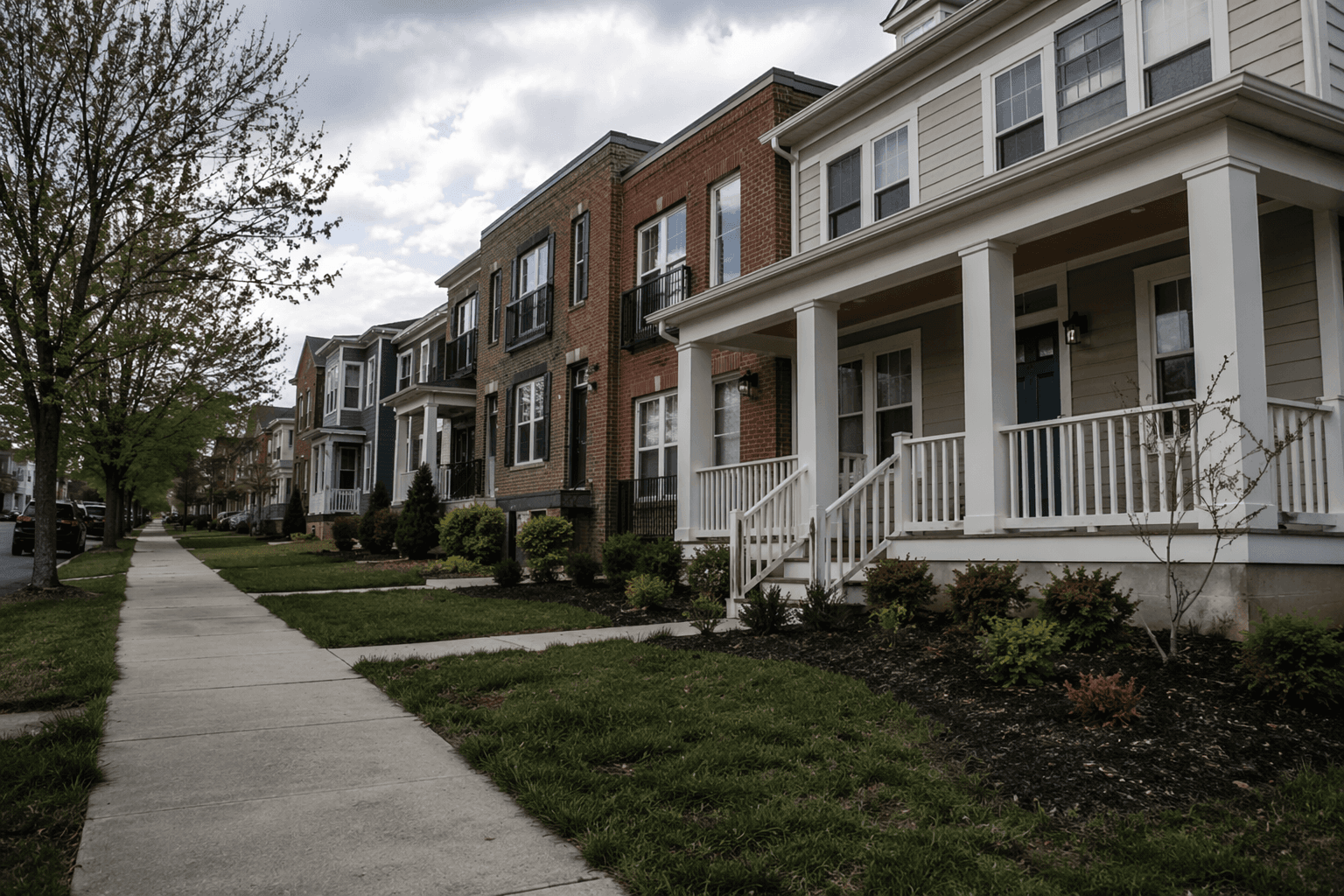
The Missing Middle Housing Study, being developed with Opticos Design Inc. and AECOM, is meant to widen the housing choices available in neighborhoods that now favor one-home lots. County planners define missing middle housing as house-scale buildings with multiple units that fit detached single-family neighborhoods. The study is expected to produce both a Missing Middle Study and a Pattern Book to guide where and how those homes could be added.
The initiative, which the Planning Department says began in 2021, is tied to the county’s push to support a growing population, changing housing needs, economic opportunities and neighborhood identities. Planners say the effort is aimed at seniors, young professionals and middle-income households, and at housing types that can lower per-unit costs by making more efficient use of land, especially near transit and amenities.

The land-use fight is likely to center on how much change the county is willing to allow in areas long protected by single-family rules. A county FAQ from April 8, 2024 said about 89% of residential land was zoned exclusively for single-family housing, while the newer presentation puts the share at 94% of all residential land zoned for single-family development. Plan Prince George’s 2035 designates eight Regional Transit Districts and six Neighborhood Reinvestment Areas as the places where growth and revitalization should be concentrated, and the Plan 2035 Implementation and Infrastructure Task Force is charged with aligning policy with that vision and limiting sprawl.
The affordability squeeze is sharpening the political stakes. The Planning Department says renters are 72% cost-burdened and homeowners are 38% cost-burdened, a sign that even families who already own are feeling pressure. The Prince George’s for Housing Justice Coalition says the county is not meeting housing needs equitably, wants stronger rent stabilization, and argues that the Housing Investment Trust Fund should be expanded, including with a proposed $82 million annual appropriation. The coalition says countywide rent stabilization was enacted on June 9, 2020, with a 2.6% cap during the pandemic.
County housing materials also note that the planning office is closed to in-person visits because of building construction, although electronic development applications are still being accepted. A September 2023 townhouse report was also published to help guide legislative initiatives by tracking development trends, locations and physical and financial characteristics across Prince George’s County.
This article was produced by Prism’s automated news system from verified source data, official records, and press releases, then run through automated quality and moderation checks before publishing. The system is built and supervised by the people who set the standards it runs under. Read our full AI policy.
Did this article answer your question?