Prince George’s County voters face crowded June 23 primary races
Prince George’s crowded June 23 primary is really a fight over who will shape schools, zoning and county services. District 1’s open seat is the clearest test.
Why the county council matters
The most consequential contests in Prince George’s County this primary are not happening in one marquee race. They are spread across the county council, where the decisions on taxes, development, school capacity and public safety turn into the rules that shape daily life.
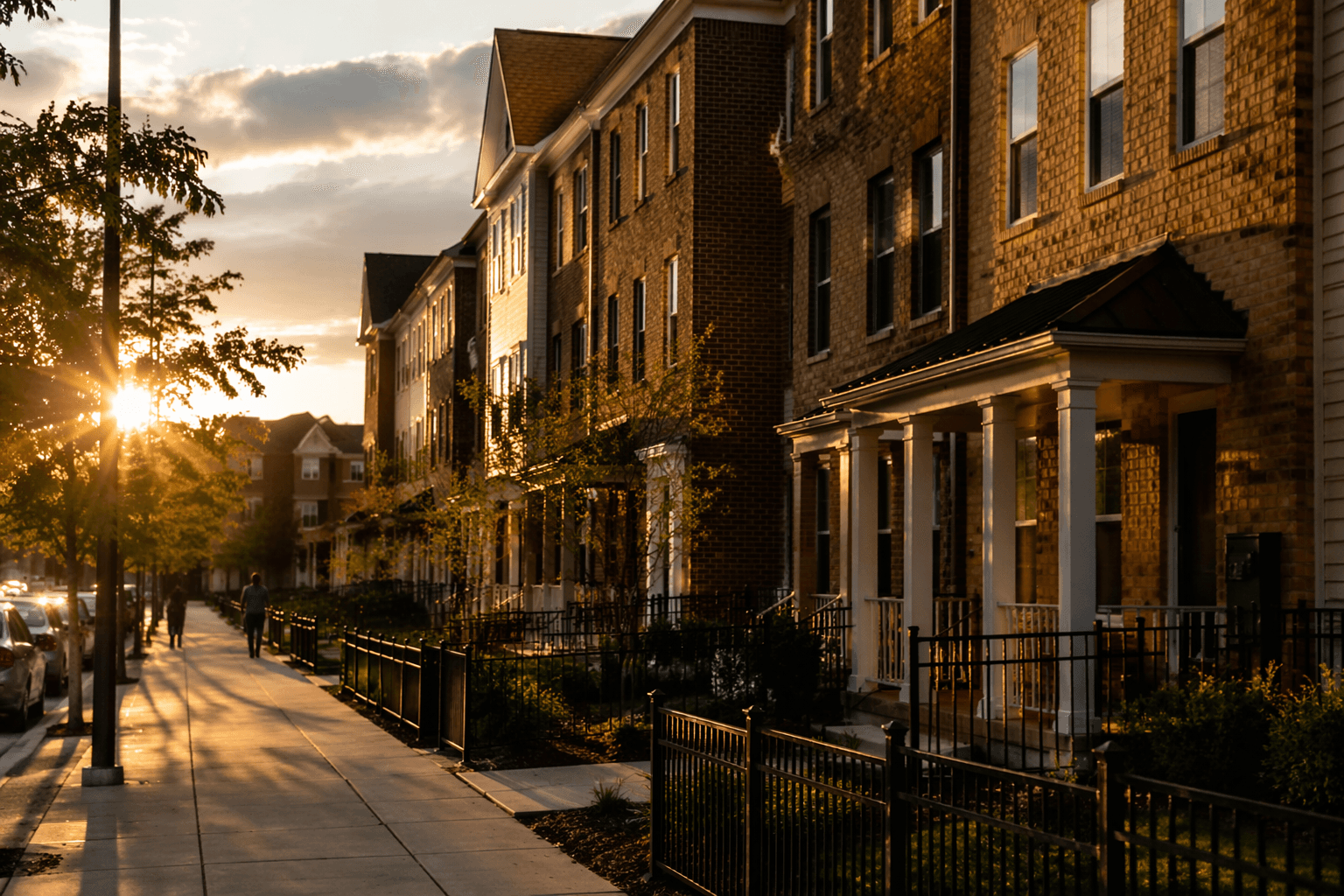
Prince George’s County Council has 11 members, one from each councilmanic district and two at-large members. That structure makes district races especially important, because each one can change the balance on the council and influence how the county handles growth, spending and neighborhood-level disputes. In a crowded primary, the practical question is not just who is running, but which race will decide how the county grows and who pays for it.
District 1 is the seat to watch
District 1 stands out because it is open. Tom Dernoga is term-limited, so the district will elect its first nonincumbent council member in years. That alone raises the stakes, because voters are not just deciding whether to keep a familiar name in office, they are choosing the next person to represent a fast-growing stretch of the county.
The district covers North College Park, Laurel, Beltsville, West Laurel, South Laurel, Calverton and communities in Adelphi. That geography matters. It includes neighborhoods where school overcrowding, housing pressure and traffic from growth are not abstract campaign themes but daily frustrations. When one council member inherits that territory, the job is less about slogans than about managing the collision between development and the public services that have to keep up.
A recent candidate forum made that clear. The candidates used the stage to lay out plans for school overcrowding, affordable housing and community engagement, three issues that sit at the center of nearly every county debate over where to build, how fast to build and who benefits when new projects go up. In other words, the District 1 race is also a referendum on how Prince George’s County should absorb growth without letting schools and neighborhoods fall behind.
The money race tells its own story
Campaign finance is one of the clearest ways to see who has momentum, who has reach and who can turn a message into a ground game. In a local primary, those numbers matter because low-information voters often do not have time to sort through every candidate’s biography, endorsements and mail pieces. The fundraising picture can show whether a campaign has real countywide support or just polished rhetoric.
Michelle García has emerged as one of the strongest fundraisers in the District 1 field. She raised $30,000 between November 2025 and January 14, 2026, from 355 donors, more than 250 of them in Prince George’s County. That donor base suggests a campaign with a broad local footprint, not just a small circle of repeat contributors.
García is also participating in Prince George’s County’s public campaign financing program, which caps contributions at $250 per donor. That detail matters in a county where voters are increasingly attentive to who funds campaigns and whether financing rules are helping or hindering competition. Public financing can change the way candidates build support, pushing them to rely on smaller donations and broader community outreach rather than a handful of large checks.
A quote dispute has sharpened the race
District 1 has also seen a public dispute over campaign material. County Councilmember Tom Dernoga and state Del. Mary Lehman said Martin Mitchell’s use of quotations on campaign material misleadingly implied their endorsement. That disagreement then spilled into letters to the editor from the candidates and their allies, turning a messaging issue into a test of credibility.
That kind of fight may sound small, but in a local race it can be decisive. When candidates are this close to the ground, voters often weigh trust, tone and whether a campaign is trying to stretch the facts. The dispute also reinforces how much attention District 1 is drawing, since even the language on a flyer has become part of the broader contest for legitimacy.
How to get ready for June 23
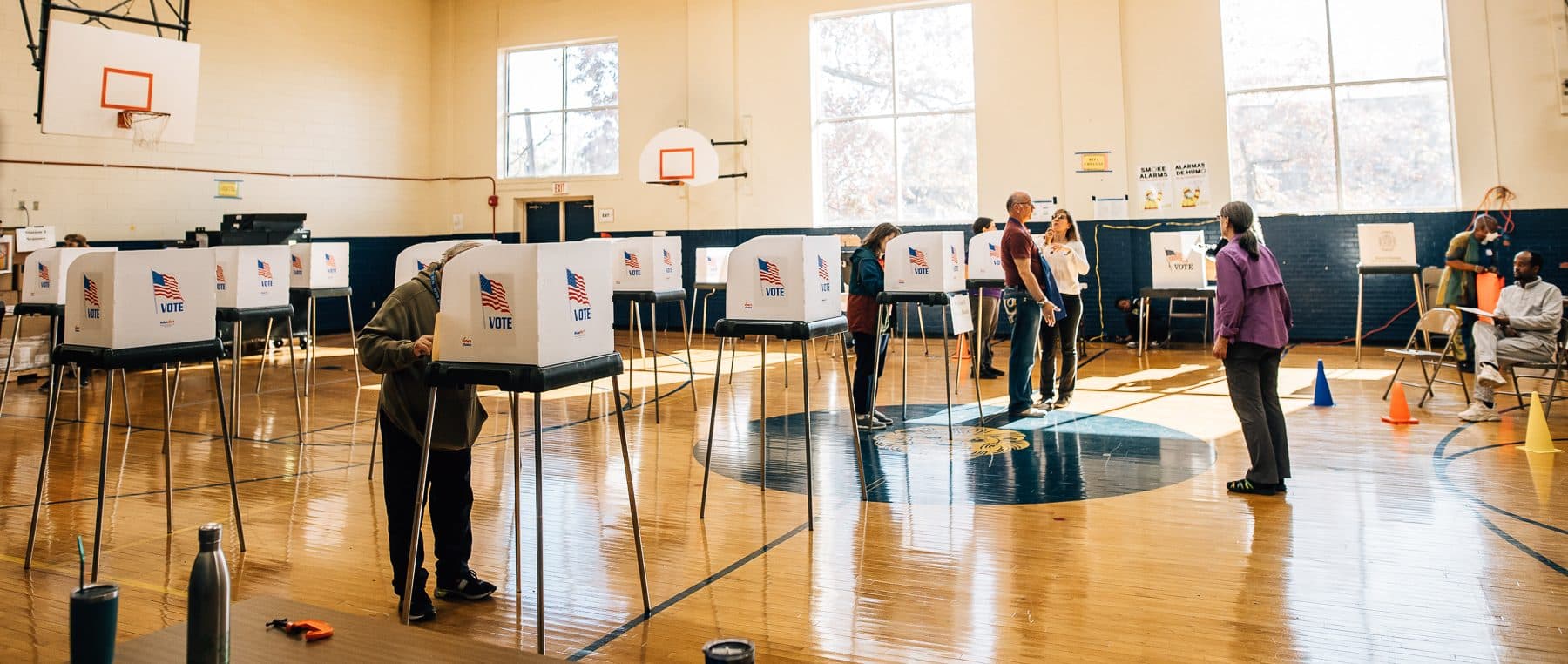
The general election calendar is straightforward, but the deadlines matter. Maryland’s primary election is June 23, 2026. Early voting runs from Thursday, June 11 through Thursday, June 18, from 7 a.m. to 8 p.m. If you are waiting until the last minute, the state also allows in-person registration during early voting and at your polling place on Election Day.
Mail-in voting has its own cutoff dates. Requests for mail-in ballots delivered by mail or fax are due by June 16, 2026. Once you have the ballot, it must be postmarked or placed in a designated ballot drop box by 8 p.m. on June 23. Voter registration by mail or online closes on June 2, 2026, so anyone who wants to be ready for the primary should not wait until summer is underway.
For Prince George’s County voters, the practical lesson is simple: the county gives you multiple ways to participate, but each has its own deadline. If you miss the registration cutoff, early voting still offers an in-person path. If you are voting by mail, the request deadline and return deadline are different, and both matter.
The county’s election system carries added responsibilities
Prince George’s County Board of Elections is responsible for supervising elections, voter registration and record keeping in the county. That institutional role matters because so much of the primary depends on voters understanding not just the candidates, but the process that gets them to the ballot box.
The county also has a language-access requirement that shapes how election information is delivered. State law requires Spanish-language election materials in Prince George’s County, reflecting the county’s electorate and the need for clear, accessible voting information. That requirement is part of the larger civic infrastructure of the county, and it is especially important in a primary where turnout depends on whether voters can find, read and use the official materials in time.
What this primary is really deciding
Prince George’s County’s crowded June 23 ballot is not just a list of names. It is a power map. The races that matter most are the ones that will determine how the county handles growth, whether neighborhoods get the schools and services they need, and who gets to shape the next round of development decisions.
District 1 is the clearest example because it combines an open seat, a wide geography and a policy agenda that reaches into classrooms, housing and neighborhood trust. But the larger lesson applies countywide: the council seats that look routine on paper often decide the issues that residents feel first and longest.
This article was produced by Prism’s automated news system from verified source data, official records, and press releases, then run through automated quality and moderation checks before publishing. The system is built and supervised by the people who set the standards it runs under. Read our full AI policy.
Did this article answer your question?