Prince George's Maternal Health Summit highlights disparities, county solutions
Maryland reported a 10.5% preterm birth rate in 2024; Prince George’s County held a Maternal Health Summit April 8 led by County Executive Aisha N. Braveboy to target local disparities.
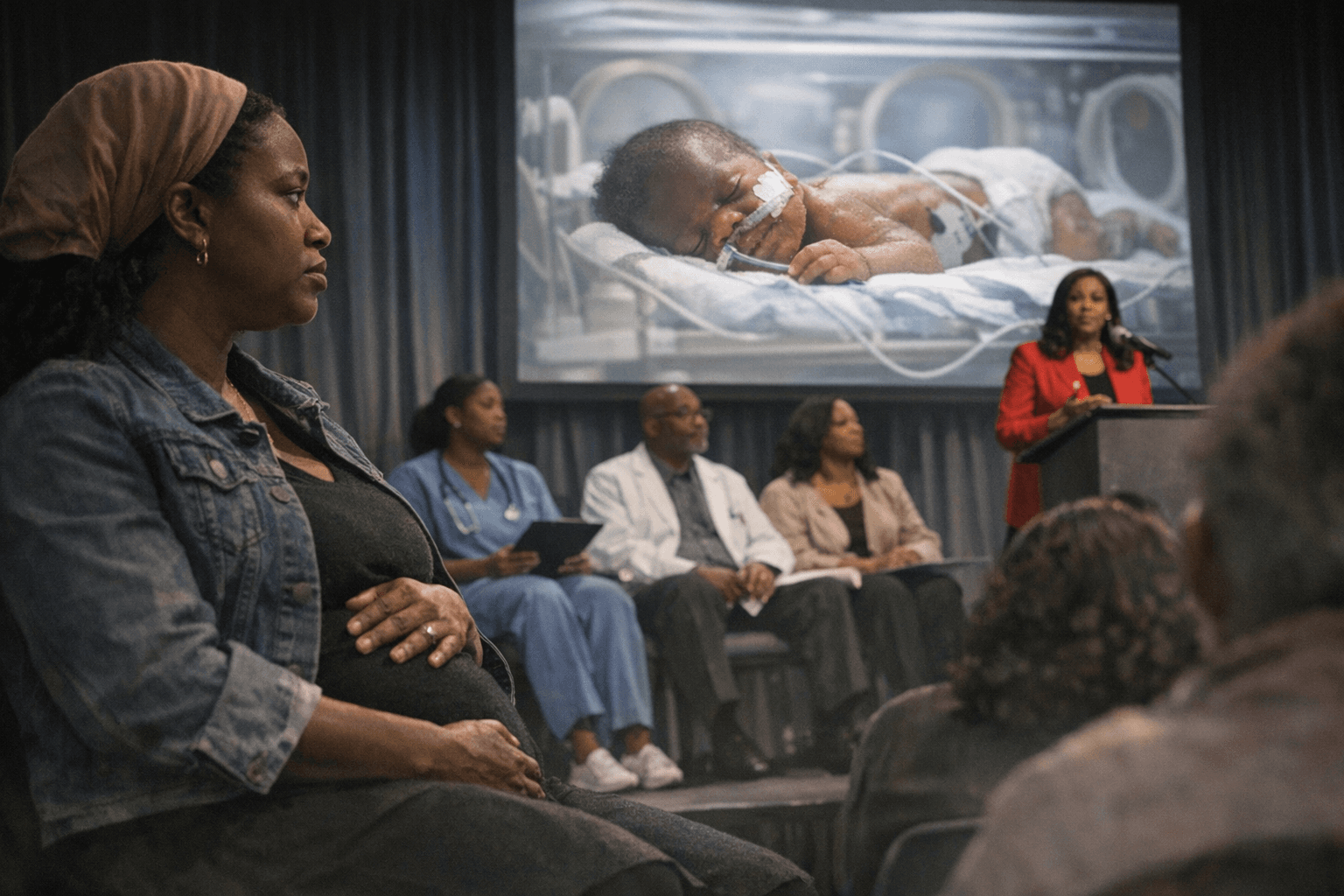
County Executive Aisha N. Braveboy convened clinicians, public-health officials, community advocates and families on April 8 for a Maternal Health Summit that framed maternal morbidity and mortality as an equity issue disproportionately affecting Black and brown pregnant people in Prince George’s County. The county’s News & Events calendar listed the summit as a county highlight and positioned the program as addressing the full maternal-care continuum, from data and diagnosis to postpartum support and long-term outcomes.
The summit program named Dr. Kerry Lewis, maternal-fetal medicine specialist and Medical Director at University of Maryland Capital Region Health, as keynote speaker and listed panelists Deneen Richmond of Luminis Health, Dr. Aza Nedhari of Mamatoto Village, Sherise Holden of SheRises, and Dr. Ogo Ekwueme of Career Haven. A fireside chat featuring Dr. Diane Young and Kristen Newman of the Prince George’s County Health Department focused explicitly on the county’s Healthy Beginnings Program and on “doula integration,” with an emphasis on lived experience and community-driven solutions during sessions held at county facilities and partner venues.
County officials used the convening to spotlight concrete initiatives the summit described: improved data-sharing across health systems and county agencies to identify high-risk pregnancies earlier; expanded perinatal behavioral-health resources and hotlines; workforce development to increase community health workers and doulas; and outreach campaigns on prenatal schedules and warning signs. The county’s Healthy Beginnings Program provides no-fee case management, telephonic and home-visiting services, counseling and education, and accepts referrals from physicians, hospitals, managed-care organizations and government or community agencies; the program lists its office at 3003 Hospital Drive, Suite 2061, Cheverly, MD 20785 and hours Monday–Friday, 8:00 a.m.–4:30 p.m.
Partner services operating in the county were also highlighted: MedStar Health’s Prince George’s County Healthy Start Program offers supports before, during and up to two years postpartum, including lactation support, case management and referrals for food, diaper and housing assistance, and provides a public contact number and email for enrollment inquiries. Prince George’s Community College held National Public Health Week events April 6–12, including a “Birthing Justice” documentary screening and a Community Resource Health Fair on April 11 at the Largo campus, reinforcing community outreach tied to the summit’s goals.
Speakers linked local work to state and national frameworks: the CDC definition of pregnancy-related death, and the Maryland Maternal Health Act of 2024, signed May 16, 2024, which requires an annual Maternal Health Hospital Report Card. Summit materials and the March of Dimes 2025 report card noted Maryland’s 2024 preterm birth rate at 10.5% with 6,896 preterm births statewide, underscoring the scale of the challenge county leaders pledged to confront.
Officials said they will pursue grants and reallocated resources to scale interventions, leaving implementation in the hands of the Office of the County Executive and the Prince George’s County Health Department. Short-term measures residents can track include new program launches, grant awards, upticks in Healthy Beginnings and Healthy Start enrollments, and public doula-integration commitments; longer-term markers will be reductions in preventable maternal complications and narrowing racial and geographic gaps, plus the annual state report card and any joint service pathways announced by Luminis Health, Mamatoto Village, MedStar Health and other partners.
This article was produced by Prism’s automated news system from verified source data, official records, and press releases, then run through automated quality and moderation checks before publishing. The system is built and supervised by the people who set the standards it runs under. Read our full AI policy.
Did this article answer your question?