Prince George's prosecutors seek $400,000 for juvenile case technology
Prince George’s prosecutors want $400,000 for software as Maryland’s new youth charging law pushes more violent-felony cases into juvenile court. Tara Jackson says missed evidence deadlines could get cases dismissed.
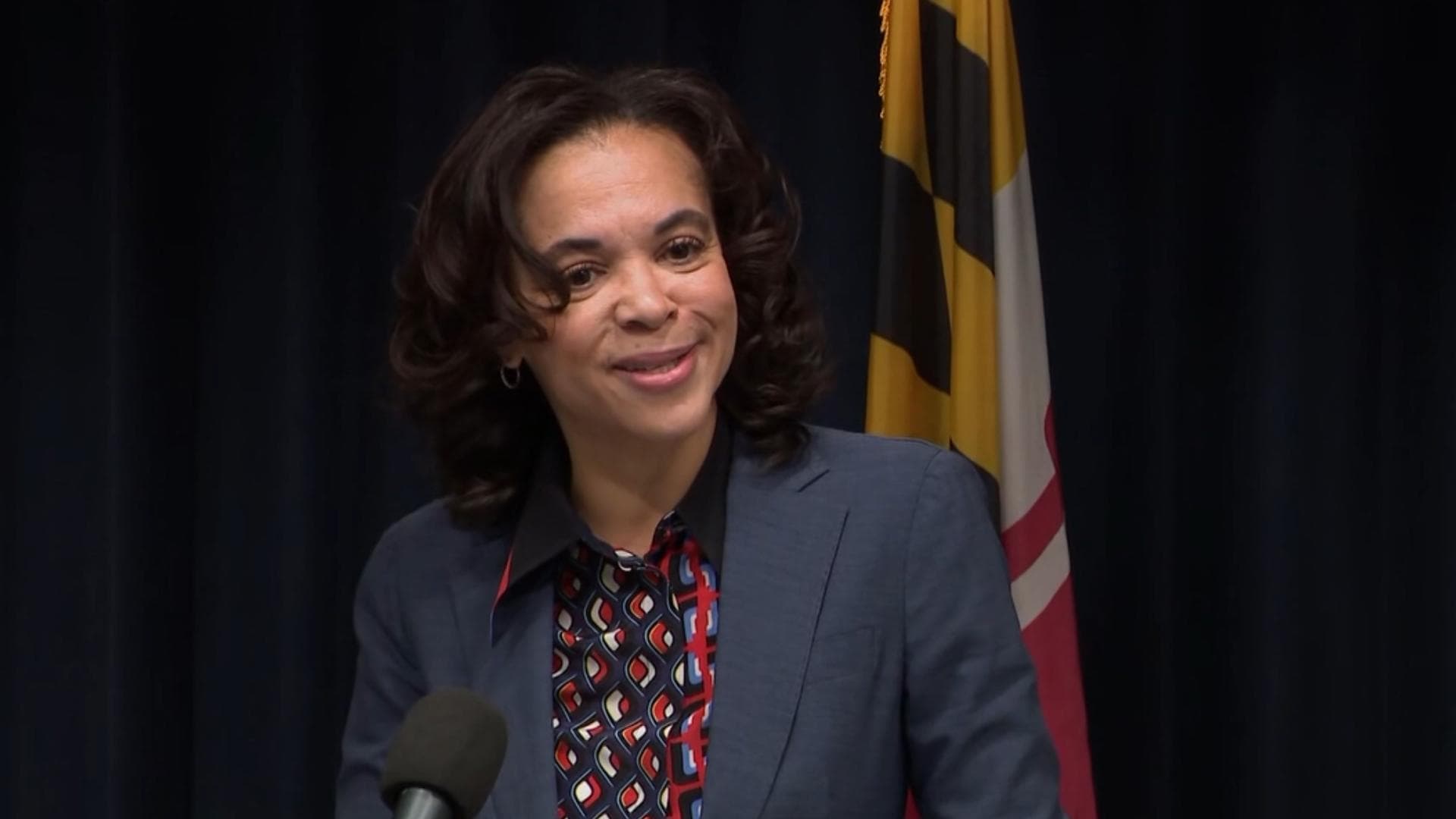
Prince George’s County prosecutors are asking county leaders for $400,000 to buy new case-management technology they say is needed before Maryland’s youth charging overhaul sends more serious juvenile cases their way. Chief Deputy State’s Attorney Tara Jackson told county lawmakers the office is bracing for a heavier caseload and a faster timeline, and warned that without a better way to organize video, reports and other evidence, cases could fall apart before they are resolved.
The request is tied to the Youth Charging Reform Act, Senate Bill 323 and House Bill 409, which takes effect October 1, 2026. The law changes juvenile-court jurisdiction for serious offenses and moves 11 major felonies, including certain gun charges and first-degree assaults, into juvenile court first rather than sending them automatically to adult court. Supporters say the new framework brings Maryland in line with best practices, while opponents have warned it could make it harder to respond to violent youth crime.
Jackson said the county’s State’s Attorney’s Office needs Axon Justice Premier, a digital evidence system that would help ingest, organize and share police video and other material more efficiently. In juvenile court, she said, the timetable is tighter than in many adult cases, and if prosecutors and defense attorneys do not get evidence on time, cases can be dismissed. That concern is central to the budget fight now unfolding in Upper Marlboro, where county officials must decide whether to fund the technology before the new law fully changes how cases are handled.
The issue has become more urgent because Maryland lawmakers have already moved the reform forward. The Senate approved the bill 32-12 on March 6, and the House was moving toward final approval by April 6 after a debate that exposed deep disagreements over youth crime, accountability and public safety. Public testimony on the bill said more than 1,000 youth under 18 were charged in adult court in fiscal 2025, and that most children charged that way do not remain in adult court.
Jackson also tied the reform debate to the case of Kaden Holland, saying his prior juvenile involvement became part of the argument against the law. She said her office opposes the reform philosophically, but still has to enforce it because it is now the governing rule. Maryland Courts guidance already shows how compressed juvenile proceedings can be, with serious cases referred to the state’s attorney for a juvenile-court petition and detained youth sometimes moving through diversion or informal supervision quickly.
For Prince George’s County, the question is no longer whether the law will change the caseload. It is whether the county will pay to keep up with it fast enough to protect public safety, track evidence in real time and avoid losing cases that should be heard on the merits.
This article was produced by Prism’s automated news system from verified source data, official records, and press releases, then run through automated quality and moderation checks before publishing. The system is built and supervised by the people who set the standards it runs under. Read our full AI policy.
Did this article answer your question?