Suitland celebration to spotlight county redevelopment plans and creative placemaking
Suitland will be used as a stage for county redevelopment plans, but the hardest questions remain about timing, funding and who benefits first.
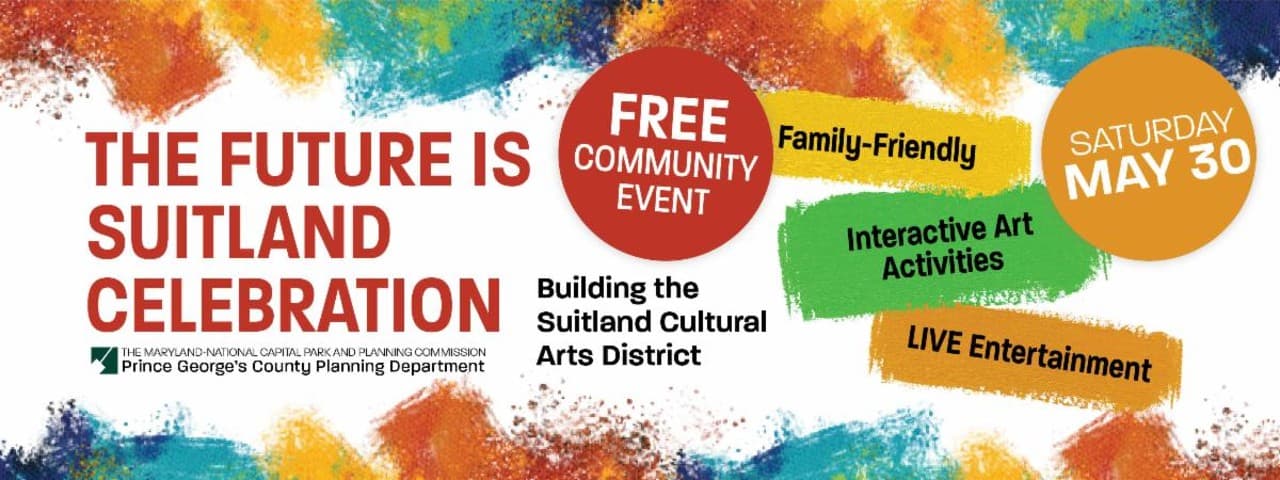
Prince George’s County planners will bring their pitch for Suitland’s next chapter into the open at The Future is Suitland Celebration, a community event planned for the Suitland Community Center from 11:00 a.m. to 3:00 p.m. County pages list the gathering for either Saturday, May 30, 2026, or Saturday, May 31, 2026, and both frame it as part of the push to build a Suitland Cultural Arts District.
The event is more than a neighborhood festival. The M-NCPPC Prince George’s County Planning Department says it will feature live entertainment, hands-on art activities, local artisans, food trucks and presentations on placemaking and mixed-use development projects along the Suitland Road-Silver Hill Road corridor. That mix of programming is meant to sell a larger idea: that redevelopment in Suitland can be tied to arts, identity and community character, not just zoning maps and site plans.
The county’s Cultural Arts Implementation Strategy is supposed to translate that idea into action. It builds on the Prince George’s County Cultural Arts Study and is intended to identify ideal locations for creative placemaking and develop conceptual designs based on community needs. Planners have already taken the strategy to residents twice, first at a public workshop on Oct. 3, 2024, at Creative Suitland Arts Center at 4719 Silver Hill Road, and again at a community feedback session on Jan. 24, 2026, at the Suitland Community Center.
The redevelopment stakes are concrete. In November 2024, the Revenue Authority of Prince George’s County selected Urban Atlantic as the developer for the Creative Suitland project, which county materials describe as a mixed-use development with 200 mixed-income housing units, artist studios, a 12,000-square-foot arts center, a 13,000-square-foot commercial food hall and 260 parking spaces. The site includes 4701, 4703, 4707 and 4719 Silver Hill Road, placing the county’s most visible arts-and-housing proposal squarely in the corridor it now wants to reshape.
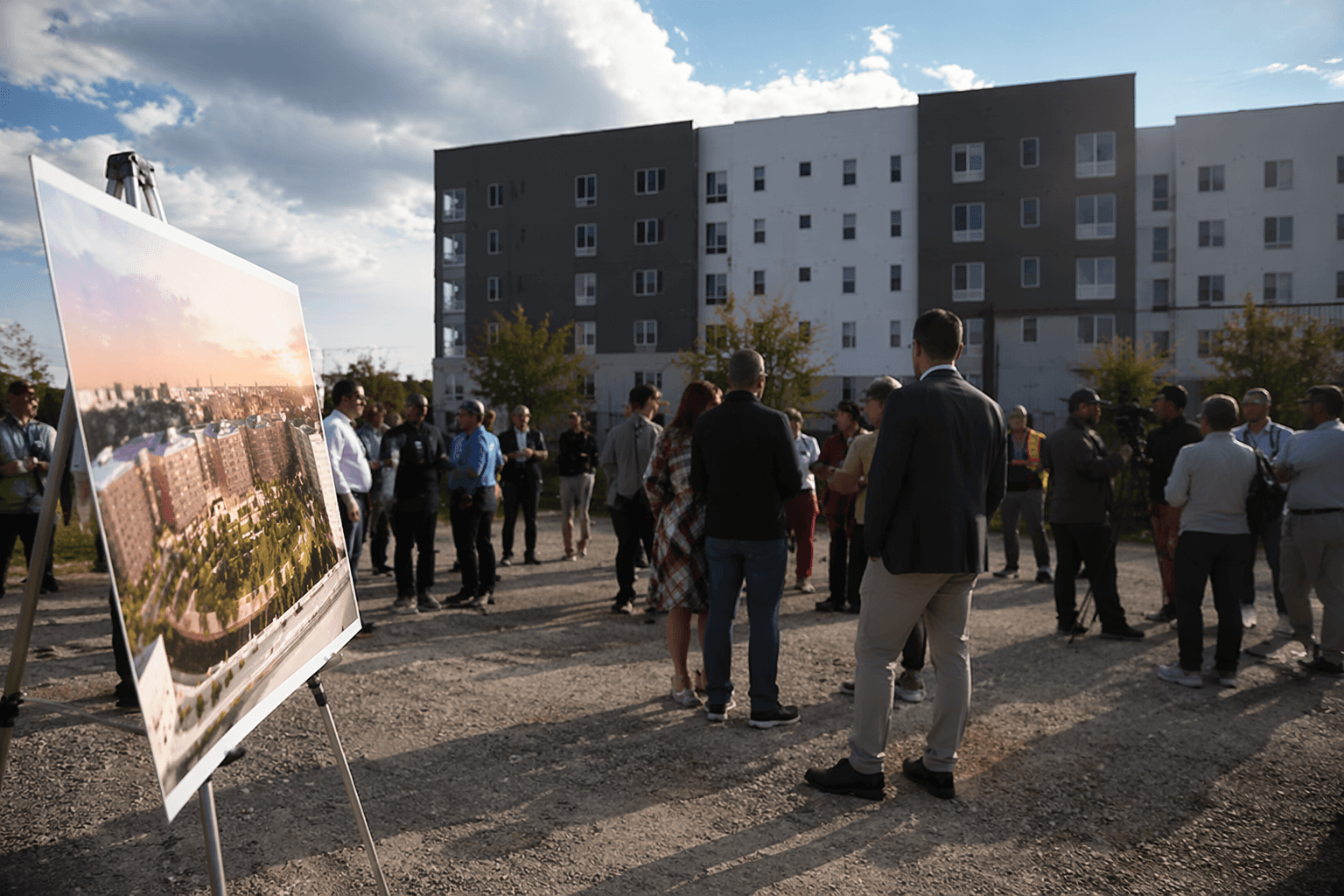
Suitland has long been treated as a planning priority, but the neighborhood is not a blank canvas. The approved 2006 Suitland Mixed-Use Town Center Development Plan created a design review framework for redevelopment, and the 2014 Southern Green Line Station Area Sector Plan called for transit-oriented development around the Branch Avenue, Suitland, Naylor Road and Southern Avenue stations, along with infill, redevelopment and pedestrian and bicycle improvements. The county’s latest placemaking campaign is another attempt to turn those policy documents into built projects.
The community being asked to buy in is substantial. The U.S. Census Bureau puts the Suitland CDP population at 25,839, and 88.0% of residents identify as Black alone. The area takes its name from Samuel Taylor Suit, who bought about 300 acres there in 1867, and the Suitland Federal Center, built in 1941 and 1942, remains one of the federal government’s most sensitive footprints, about six miles from the Capitol in Washington.
That history makes the county’s latest celebration carry more weight than a typical public event. In Suitland, the question is not whether planners can produce a polished presentation. It is whether the projects being showcased are funded, timed and enforced well enough to deliver housing, arts space and retail opportunity without leaving residents to absorb the uncertainty that often shadows redevelopment promises.
This article was produced by Prism’s automated news system from verified source data, official records, and press releases, then run through automated quality and moderation checks before publishing. The system is built and supervised by the people who set the standards it runs under. Read our full AI policy.
Did this article answer your question?