UMD students rally for Take Back the Night on McKeldin Mall
About 300 people joined UMD's first Take Back the Night march in 1979, and the McKeldin Mall rally put survivor safety and campus accountability back in view.
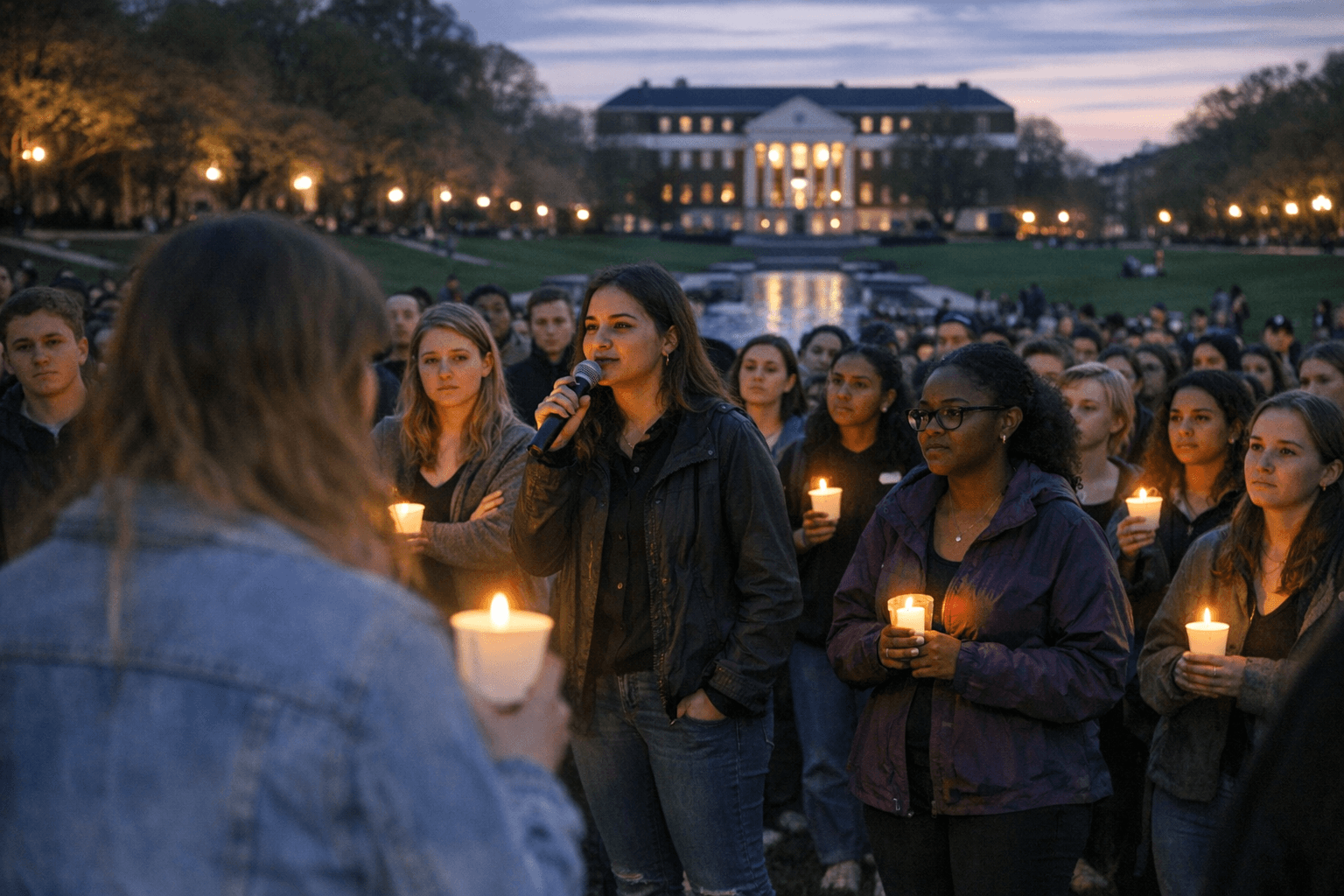
McKeldin Mall became part rally, part support space as University of Maryland students and staff gathered on April 8 for the annual Take Back the Night event, mixing bracelets, painted flower pots and trivia Jenga with a harder message about keeping survivors of sexual violence safe.
Grace Boudreau, program director with the University Health Center’s CARE to Stop Violence office, said the event is about reclaiming safety and power and helping survivors and other students feel safe on campus. That message sat at the center of a gathering that paired craft tables and campus outreach with a reminder that sexual violence is not a single issue, but a broad public health and safety problem.
The movement that inspired the event began in Philadelphia in 1976, when people organized to challenge the fear of walking at night and to demand safer streets and communities. The Take Back the Night Foundation now describes the effort as a global campaign to end sexual violence in all its forms, including sexual assault, sexual abuse, trafficking, stalking, gender harassment and relationship violence, while also supporting survivors in their healing journeys.
At UMD, the tradition stretches back decades. An archived Diamondback article said about 300 people took part in the first Take Back the Night march on campus in 1979, giving the event a long history on the College Park campus that now draws thousands of students, employees and visitors from Prince George’s County and beyond.
The rally also highlighted the university systems survivors are supposed to be able to reach when they need help. UMD’s Office of Civil Rights & Sexual Misconduct says the university is committed to a learning and working environment free from sexual harassment and sexual misconduct, including sexual assault, dating and domestic violence or abuse, sexual exploitation and sexual intimidation. The office also publishes annual student sexual misconduct reports and reporting options.
CARE to Stop Violence provides free, confidential advocacy and therapy services, while UMD lists a 24/7 sexual assault hotline at 301-741-3442. The Counseling Center also offers after-hours crisis support by phone at 301-314-7651, with emergency contact options available through University Police.
One of the most visible pieces on the mall was the Clothesline Project, where campus community members created T-shirts with messages about power-based violence and its effects. The Maryland Coalition Against Sexual Assault also staffed a table with information about rape crisis and recovery centers, plus educational materials on staying safe after sexual assault. Cameron Dewey, the coalition’s policy advocate, said the group supports Maryland’s 17 rape crisis and recovery centers, which provide crisis intervention, counseling, referrals and accompaniment to hospitals, police interviews and court.
For a campus in Prince George’s County, the gathering was more than a tradition. It was a public reminder that survivor support only matters if the reporting paths, counseling access and crisis response are visible, immediate and trusted when students need them most.
This article was produced by Prism’s automated news system from verified source data, official records, and press releases, then run through automated quality and moderation checks before publishing. The system is built and supervised by the people who set the standards it runs under. Read our full AI policy.
Did this article answer your question?


