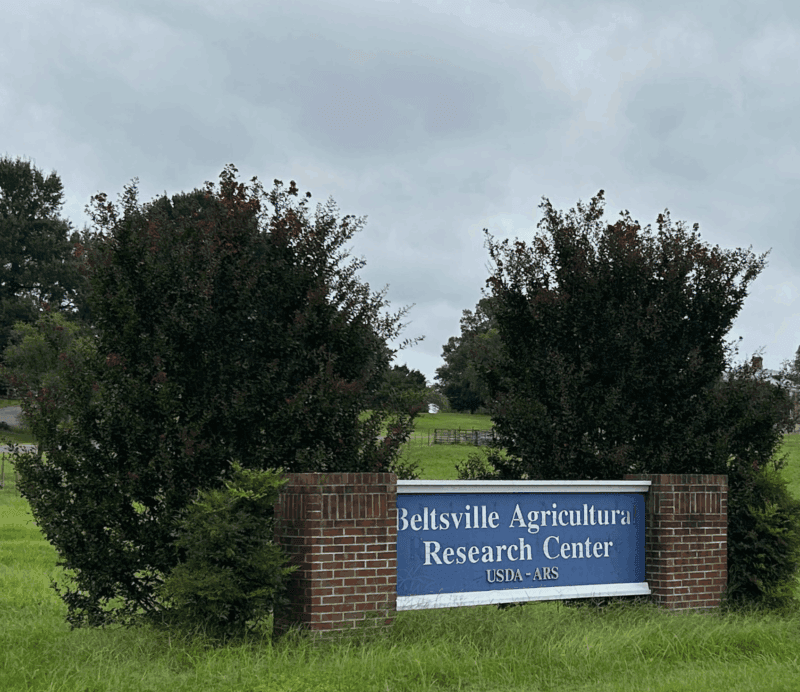
USDA plans to close Beltsville research complex, risking local jobs and science
USDA moved to shut Beltsville’s 6,500-acre research campus, threatening about 1,000 Maryland jobs and a science hub tied to 83,000 farms.
The Agriculture Department’s plan to close the Beltsville Agricultural Research Center would hit Prince George’s County with immediate losses in jobs, research capacity and federal spending. The 6,500-acre campus in Beltsville has operated since 1910, and Maryland lawmakers said it supports about 1,000 jobs in the state while helping underpin agricultural work tied to 83,000 farms across the Chesapeake Bay watershed.
USDA folded the closure into a broader reorganization plan announced by Agriculture Secretary Brooke Rollins in July 2025. The department said it wanted to modernize its research footprint, improve safety, cut bureaucracy and lower costs by scattering Beltsville’s programs across five regional hubs in Raleigh, North Carolina; Kansas City, Missouri; Indianapolis, Indiana; Fort Collins, Colorado; and Salt Lake City, Utah. USDA also said the Washington region would lose 2,600 jobs under the plan and that most of the agency’s employees already live outside Washington.
That rationale has run straight into opposition from Maryland’s congressional delegation. Senators Chris Van Hollen and Angela Alsobrooks, along with Reps. Glenn Ivey, Steny Hoyer, Kweisi Mfume, Jamie Raskin, Sarah Elfreth, April McClain Delaney and Johnny Olszewski, urged USDA to keep BARC open, warning that closing it would waste taxpayer money, harm farmers and set agricultural research back for years, if not decades. Van Hollen said the administration was violating the law by trying to shutter the facility.
Congress had already tried to slow the move by inserting FY2026 appropriations language barring USDA from closing or consolidating research facilities without approval from the House and Senate appropriations committees. Maryland lawmakers said the Beltsville shutdown would defy that restriction and destroy research that cannot simply be recreated somewhere else.
The county stakes are bigger than a federal footprint on a map. Beltsville’s scientists have long worked on problems that reach Maryland fields and kitchens, including bee health. After the 2024-2025 honeybee die-off, researchers there helped identify a likely cause: viruses spread by pesticide-resistant mites. Lawmakers said losing that expertise would weaken not just Beltsville, but the wider agricultural economy built around Maryland farms, food production and the scientific training pipeline.
USDA records show the center began in 1910 as a 475-acre farm purchased for animal husbandry, dairying and animal disease research, later becoming the National Agricultural Research Center under Henry A. Wallace. More than a century later, the site’s 400-plus buildings, many of them outdated or underused, have become part of USDA’s case for closure. For Prince George’s County, the question is simpler and more immediate: which jobs, which research programs and which local institutions disappear if Beltsville goes dark, and how quickly.
This article was produced by Prism’s automated news system from verified source data, official records, and press releases, then run through automated quality and moderation checks before publishing. The system is built and supervised by the people who set the standards it runs under. Read our full AI policy.
Did this article answer your question?