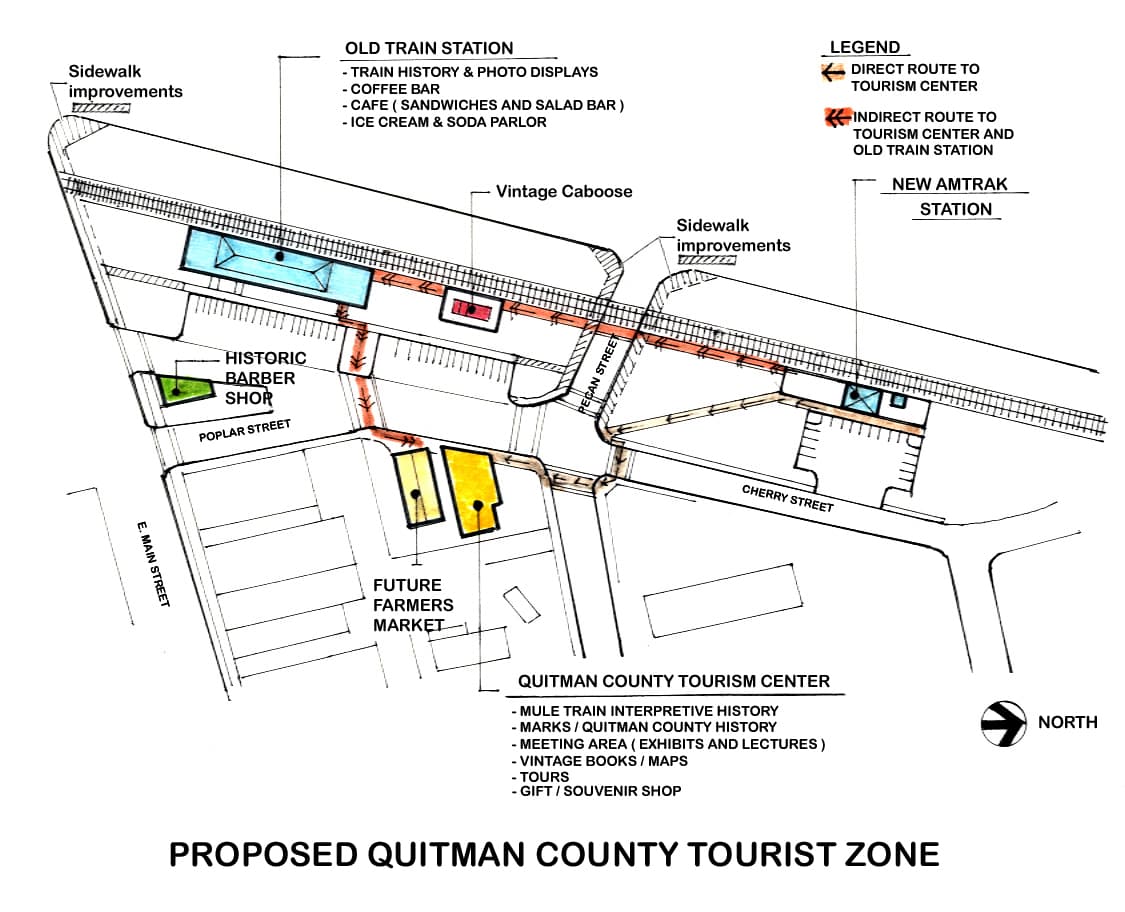
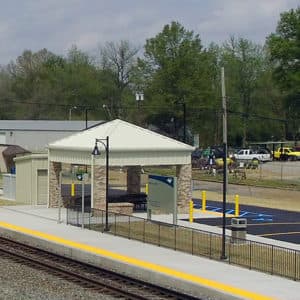
Quitman County highlights Delta heritage, music and civil rights history
Quitman County is selling Delta music, civil rights history and rural heritage as an economic bet: more visitors, longer stays and stronger local pride.

Quitman County is pitching itself with a compact but ambitious message: “Agriculture. Civil Rights. Music Legends. Sportsman’s Haven. All in one place.” That slogan is more than branding. It is the county’s case for why its 400 square miles should be seen not as a pass-through stretch of Mississippi, but as a place where culture and commerce can reinforce each other.
A countywide pitch built around place
The county’s official home page frames Quitman County as a landscape where “prehistory to modern cultural attractions” sit side by side. That matters because the county is not simply selling scenery. It is packaging identity, telling visitors that the story of the Delta lives here in labor, movement, music and memory, and that the county itself is part of that larger American narrative.
That approach also gives residents a way to think about the county as an asset, not just a location. When a rural county defines itself through heritage, it is making a strategic argument: history can help shape foot traffic, spending and public attention in places that do not have big-box retail corridors or industrial parks to lean on.
Why the Delta story is the draw
The Visit page places Quitman County inside the Mississippi Delta National Heritage area, linking the county to one of the most recognizable cultural regions in the country. The county says the Delta helped give rise to blues and gospel, then traces that influence into jazz, soul, bluegrass, rock and roll, rap and hip-hop. That is a wide cultural arc, and the county is clearly trying to make local heritage feel connected to the sound of American popular music itself.
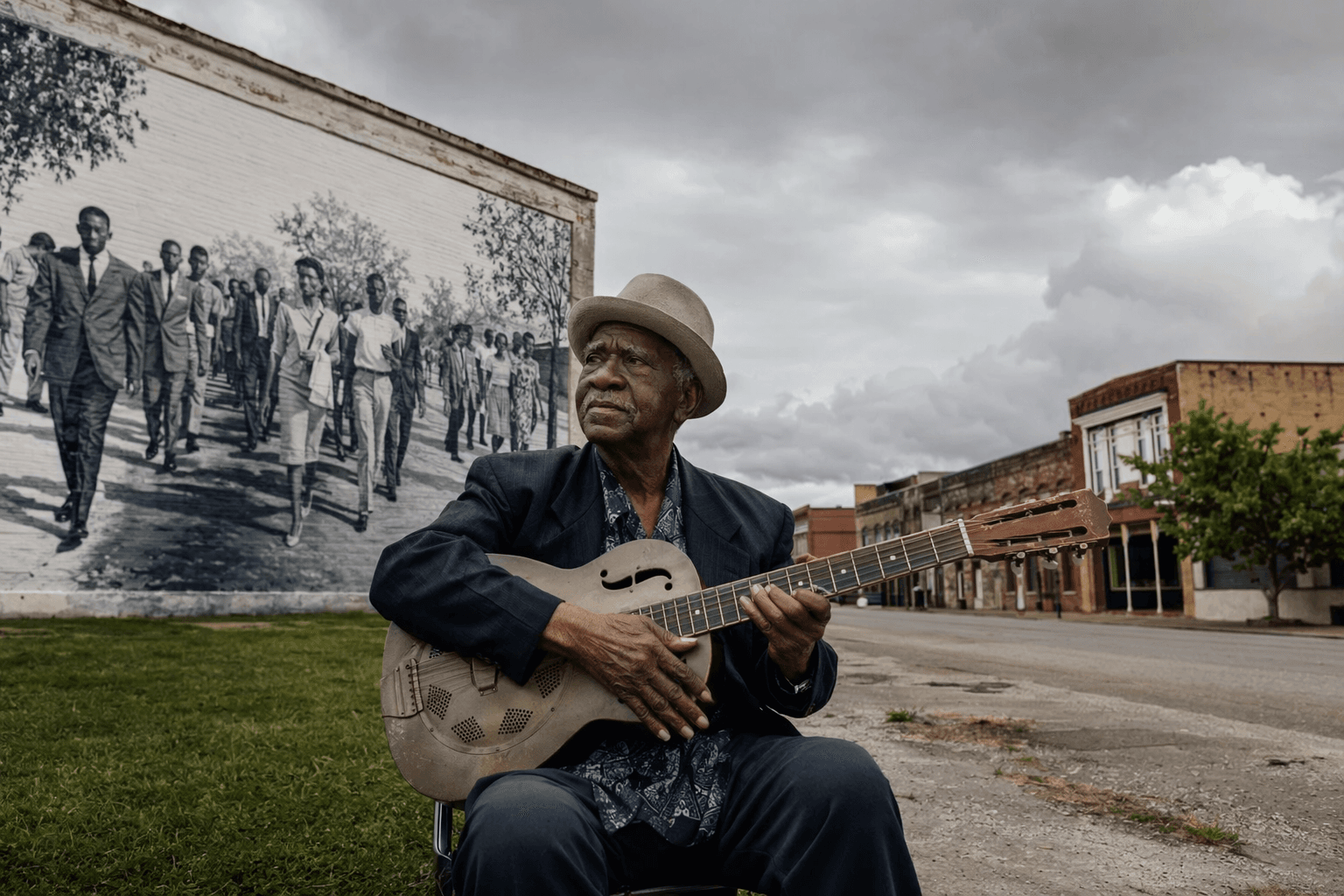
The page also ties the region to the Great Flood of 1927 and the Civil Rights Movement. Those are not just historical markers; they are reminders that the Delta shaped national change through hardship, migration, resistance and creativity. For a county trying to attract heritage visitors, that blend of music history and civil rights memory gives the pitch more depth than a simple museum stop or scenic drive.
The economic bet behind the branding
Quitman County’s materials make the economic logic explicit. The county says cultural heritage travel can build jobs, support new business, raise property values and strengthen community pride. It also says historic and cultural visitors tend to stay longer and spend more than other travelers, which is the key point for a rural county trying to turn stories into revenue.
That claim is important because the benefits of tourism only matter locally if they spread beyond the roadside sign. Longer stays can mean more meals purchased, more fuel sold, more attention to local services and more reason for small businesses to remain open or expand. In that sense, the county’s heritage pitch is really a development strategy: use culture to keep more dollars circulating in the county rather than passing through it.
The challenge, of course, is turning a strong story into visible gains. Branding alone does not guarantee more jobs or higher county revenue. The real test is whether visitors come for the music, the civil rights history and the Delta setting, then spend enough time and money to make downtown streets busier and local commerce more durable.

What makes the county’s message broader than tourism
Quitman County’s Community page helps explain why the heritage pitch could resonate beyond a visitor market. The county points to school events, 4-H, agricultural activities, health initiatives, the food bank, veterans’ programs, festivals, parades and churches as part of everyday civic life. That list matters because it shows a county that is not trying to sell a polished visitor experience detached from local reality.
Instead, the county is presenting itself as a lived-in place where heritage, civic service and rural routines overlap. For residents, that can be an advantage: a tourism brand that reflects school calendars, church life, agricultural work and community events is more likely to feel authentic than one built only around outside visitors. It also helps the county argue that heritage tourism is not a side show, but one more way to support an active local community.
Where residents could feel the payoff
If the branding works, the benefits should show up in places people already notice. More visitors would mean more activity tied to local businesses, more visibility for community events and a stronger reason for travelers to stop instead of drive on. The county’s own language suggests the goal is not only attraction, but retention: keep people around long enough that their spending has a local effect.
There is also a longer-term civic payoff. Heritage tourism can help shape how a county is perceived by outsiders, which can influence where people choose to travel, invest or even settle. For a county built around agriculture and small-town institutions, that kind of attention can matter almost as much as a single weekend of visitor traffic.
The bigger story behind the slogan
Quitman County’s branding works because it ties economic development to a narrative people already understand: the Delta as a place of music, struggle, migration and resilience. By pairing that history with agriculture and community life, the county is saying it has more to offer than nostalgia. It is asking visitors to see a living county with a past that still has economic value.
That is the central wager. If the county can convert its Delta identity into longer stays, stronger businesses and more local pride, then the slogan becomes a development tool, not just a tagline. If it cannot, the history will still be real, but the financial payoff will remain limited.
Know something we missed? Have a correction or additional information?
Submit a Tip