Quitman County named disaster area as drought strains growing season
Quitman County farmers can now seek federal disaster loans as drought tightens on planting, hay supplies and cattle water. Nearly all of Mississippi was in drought when the designation hit.
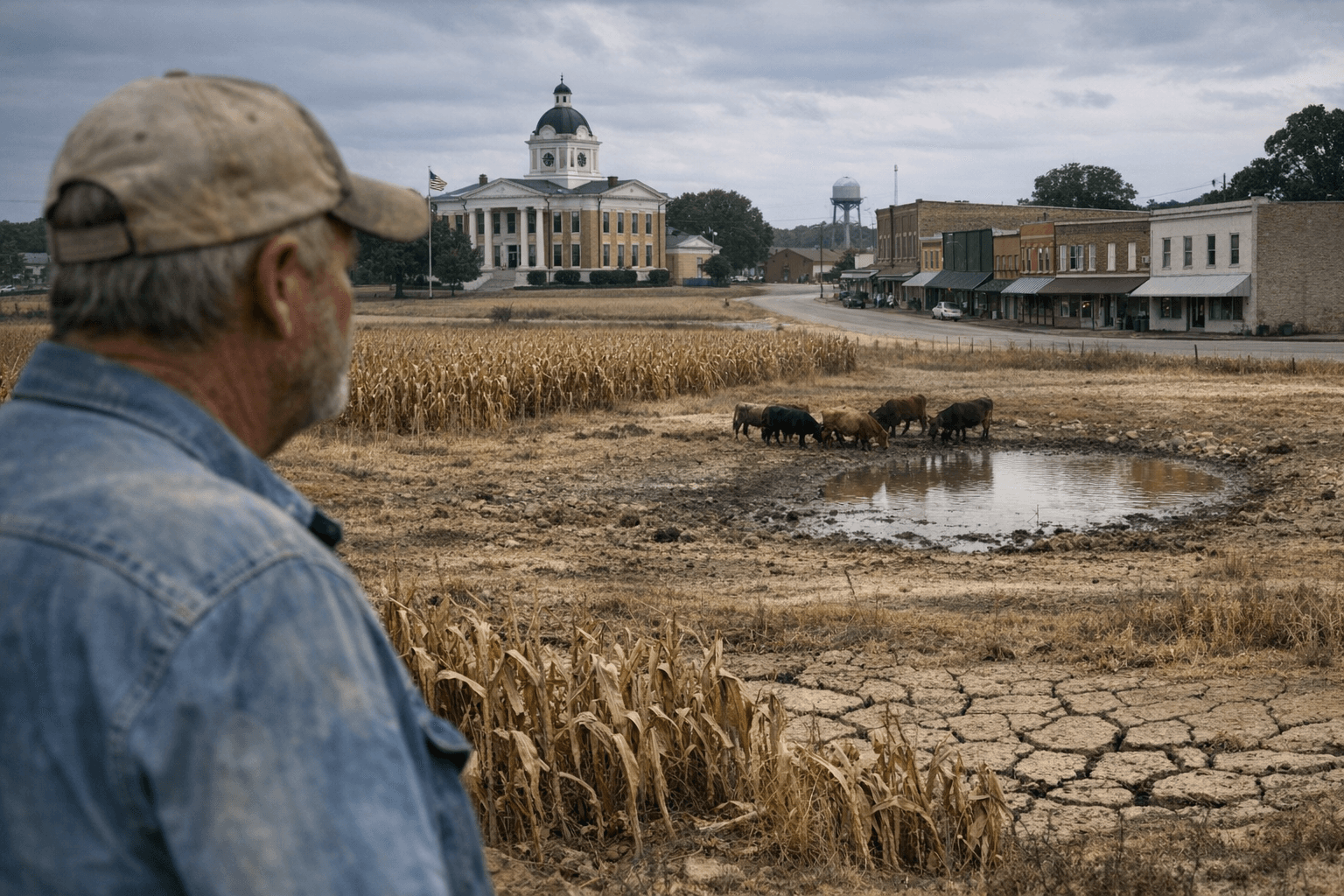
Quitman County farmers now have a federal disaster path for emergency loans, but the dry spell is also forcing immediate choices on whether to plant, how much hay and feed to buy, and how long cattle pastures can hold up without rain. As the growing season opens, the county’s row-crop and livestock producers are facing higher costs and tighter margins at the same time.
USDA named Quitman County one of 21 Mississippi counties in a primary natural disaster area because of drought conditions on the April 21 U.S. Drought Monitor map. Another 24 Mississippi counties were listed as contiguous counties affected by the same dry stretch, putting 45 counties under the federal response. The designation means producers in Quitman County and nearby counties can apply for emergency loan assistance through the USDA Farm Service Agency, and some may also qualify for the Livestock Forage Disaster Program if they meet program requirements.
The drought threshold behind the declaration was not a brief dry spell. USDA said the counties qualified because they reached D2 Severe Drought for eight or more consecutive weeks or D3 Extreme Drought or D4 Exceptional Drought during the growing season. The U.S. Drought Monitor, which updates every Thursday, showed roughly 99% of Mississippi under some level of drought by April 21, a sign that the problem has spread far beyond one corner of the state.
That matters in Quitman County, where cotton, soybeans, corn and rice depend on spring timing and where cattle operations depend on pasture, hay and water. Mississippi State University’s Agricultural Economics department has 2026 planning budgets for cotton, corn, rice, soybeans and forages, a reminder that drought can change input decisions quickly, from irrigation costs to feed purchases to whether a farmer can afford to hold a field a little longer before planting. In a county tied closely to farm income, any drop in yield can ripple through equipment purchases, household spending and local businesses.
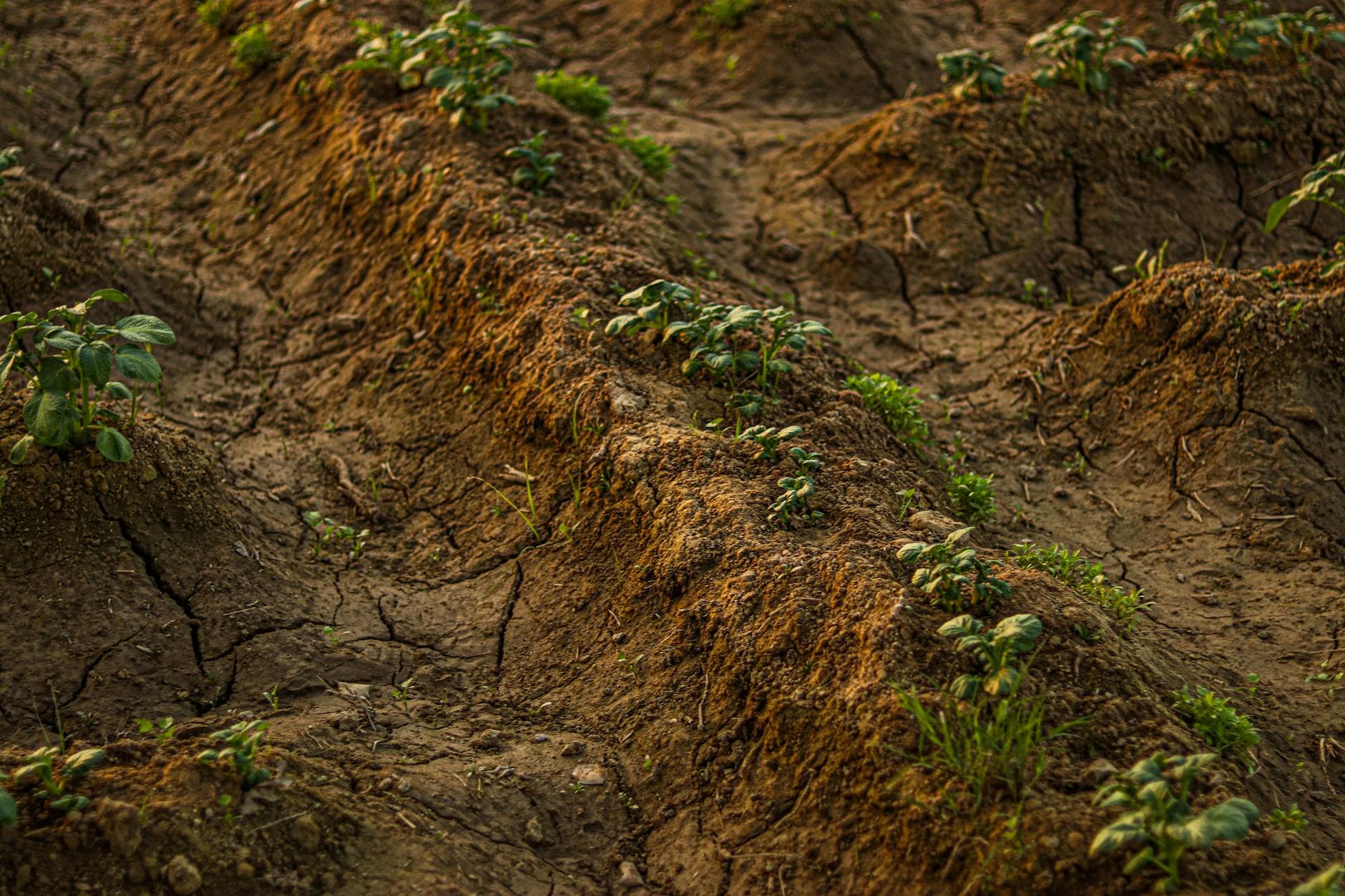
Mississippi Agriculture and Commerce Commissioner Andy Gipson said the dry pattern is hitting row crops and livestock production at a vulnerable time for agriculture and urged farmers to check with their local Farm Service Agency office for details about assistance. The Mississippi Department of Agriculture and Commerce also said timely reporting of drought impacts and crop damage can affect eligibility, and encouraged farmers and ranchers to contact local USDA county offices and report conditions to the U.S. Drought Monitor.
The new designation also fits a longer pattern. In 2024, USDA approved all 82 Mississippi counties for Emergency Forest Restoration Program assistance because of severe drought and related insect infestation. For Quitman County, the latest federal action is a sign that the pressure on planting plans, forage supplies and water access may continue well past the first weeks of spring.
This article was produced by Prism’s automated news system from verified source data, official records, and press releases, then run through automated quality and moderation checks before publishing. The system is built and supervised by the people who set the standards it runs under. Read our full AI policy.
Did this article answer your question?