Quitman County page highlights schools, churches and community events
Parents, students and volunteers get the most value from Quitman County’s page, which points to schools, churches, youth groups and events that hold the county together.
The most useful thing about Quitman County’s community page is that it works like a countywide bulletin board. For families in Marks, Crowder, Lambert and Falcon, it points to the places where daily life actually happens: schools, churches, youth programs, civic clubs, festivals and cleanup efforts.
A public square spread across four towns
Quitman County is small enough that a single page can still function as a meaningful civic map. Established in 1877 from parts of Tallahatchie, Tunica, Panola and Coahoma counties, it was named for Mississippi governor John A. Quitman, while the bill creating the county was introduced by Leopold Marks, the namesake of the county seat. The county sits in the Mississippi Delta and covers about 400 square miles, with a population of 6,176 in the 2020 Census and an estimated 5,364 people in July 2025.
Those numbers matter because they explain why a community page carries so much weight here. In a county where 73.1% of residents are Black and 24.4% are White, local institutions do more than offer services. They shape who knows what, who shows up, and which events become shared reference points. The county page reflects that reality by tying together the social life of several towns rather than pretending one downtown district carries the whole county.
Schools and youth programs are part of the county’s core infrastructure
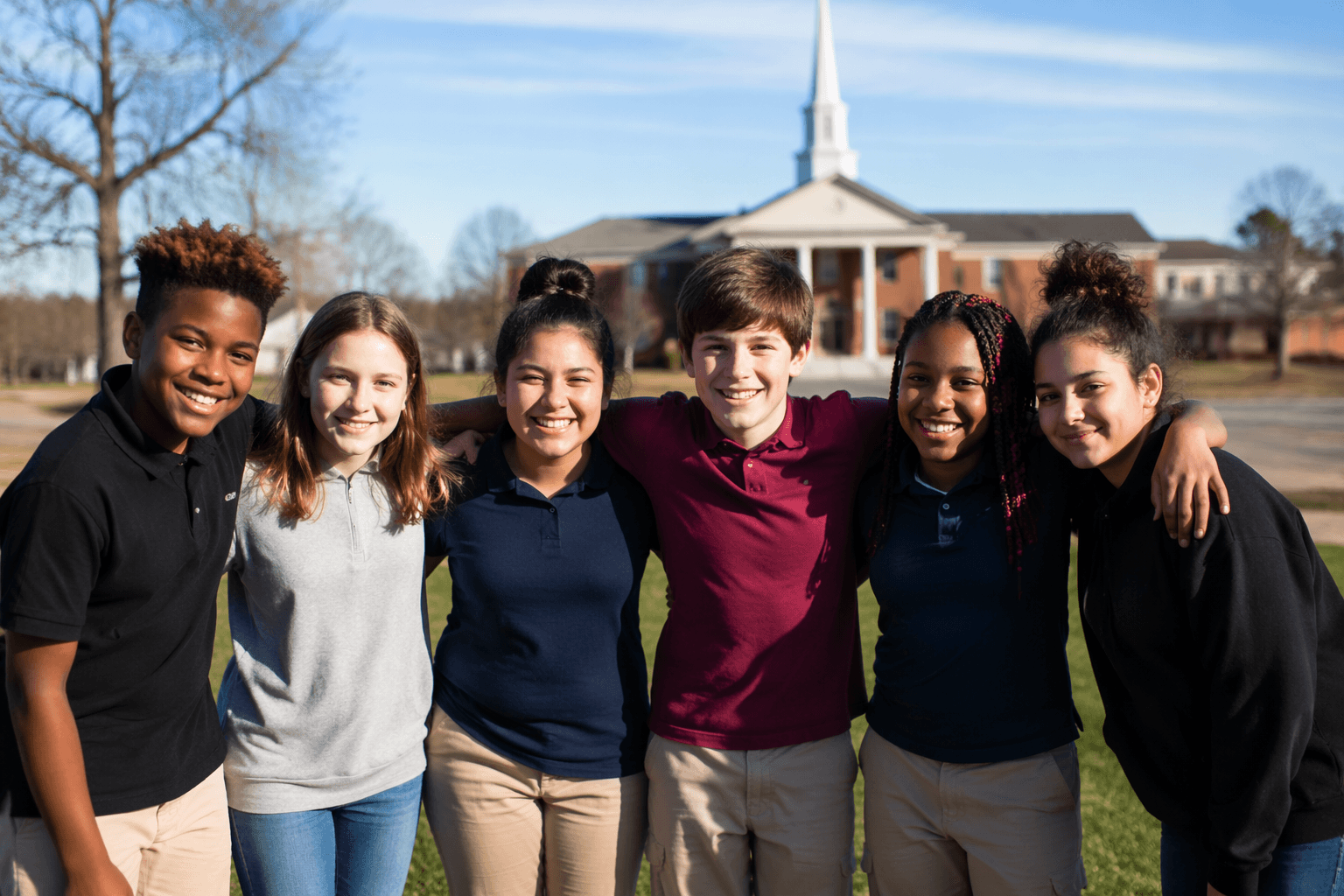
The page gives real visibility to the institutions that keep younger residents connected. Quitman County Area Voc Tech School, Delta Academy and Quitman County 4-H Youth in Marks all appear in the county directory, underscoring that education here is not confined to a classroom calendar. It includes youth development, practical training and the kinds of club activity that can lead to leadership, service and community ties.
That is especially important in a county like Quitman, where school events, graduations and youth programs are not side notes. They are among the main places where families gather, where volunteers meet, and where civic habits are passed along. The page’s emphasis on these institutions makes it more than a promotional tool. It serves as a route to participation.
What families are likely to find useful
- School and graduation updates that help parents track milestones
- 4-H and agricultural activities that connect students to county life
- Community health initiatives and food bank efforts that meet practical needs
- Clean-up campaigns that bring neighbors together around shared spaces
Churches and ministries give the page its weekly rhythm
The community page also treats worship as a central part of county life, not a separate lane from it. It lists churches and ministries that serve both residents and visitors during the week and on Sundays, reflecting the reality that churches in Quitman County often function as social anchors as much as spiritual ones.
The directory names Allen Chapel AME Church in Marks, Eudora AME Zion Church in Marks and Zion Chapel AME Church in Crowder. In a county this size, those congregations can shape turnout for food drives, funerals, prayer gatherings, youth support and volunteer networks. The page’s value lies in making that connective tissue visible, especially for people trying to find where help, fellowship or service opportunities are centered.
Events link present-day life to county memory
Quitman County’s calendar is built around more than one-off celebrations. The page invites residents and visitors to watch for livestock events, school graduations, local festivals, art exhibits, historic commemorations, county-wide cleanup campaigns, hunting and fishing tips and parades across the county throughout the year. That mix shows a county culture that blends agriculture, heritage and recreation.
Two recurring events stand out. The county hosted its first annual Mules & Blues Fest in 2015, and the event is centered on the 1968 “Mule Train” and Martin Luther King Jr.’s Poor People’s Campaign. A Mississippi Freedom Trail marker honoring that legacy was erected in Marks on October 2, 2015, and county materials say an interpretive trail with 11 markers was later unveiled in 2021 after three years of planning by the city, county board and local partners. That is not just commemorative symbolism. It is a statement about how Quitman County wants its history remembered and taught.
The Annual September Song Festival adds another layer to that civic calendar. Held on the last Saturday in September and hosted by Les Grande Soeurs and the Quitman County Arts Council, it shows how arts programming sits alongside history and civic memory rather than outside them. In a small county, that matters because arts events can be one of the few consistent ways residents from different towns gather in the same place.
The practical test: does the page help people find opportunities?
The strongest measure of the page is not whether it looks welcoming. It is whether it helps people locate real opportunities to participate. In Quitman County, that means connecting people to school events, 4-H work, church programs, food assistance, veteran services, agricultural gatherings and county cleanups. It also means surfacing the people and groups doing the organizing, from the Marks Garden Club to the county’s arts and heritage partners.
Recent county materials add another layer of relevance: Quitman County Economic and Tourism Development has proposed a county-wide blight elimination project targeting 125 blighted properties across Marks, Lambert and other municipalities. That gives the page’s civic focus an economic edge. Beautification, demolition and revitalization are not abstract planning exercises in a county this small. They are part of whether neighborhoods feel stable enough for families to stay engaged and for public life to keep moving.
Seen that way, the community page is not simply a feel-good snapshot of rural life. It is a practical directory for a county whose identity is built through repeated face-to-face activity, from church basements and school grounds to festival sites and cleanup days. In Quitman County, visibility itself is a form of civic infrastructure, and the page helps decide who gets seen, who gets counted and who gets pulled into the county’s shared life.
This article was produced by Prism’s automated news system from verified source data, official records, and press releases, then run through automated quality and moderation checks before publishing. The system is built and supervised by the people who set the standards it runs under. Read our full AI policy.
Know something we missed? Have a correction or additional information?
Submit a Tip