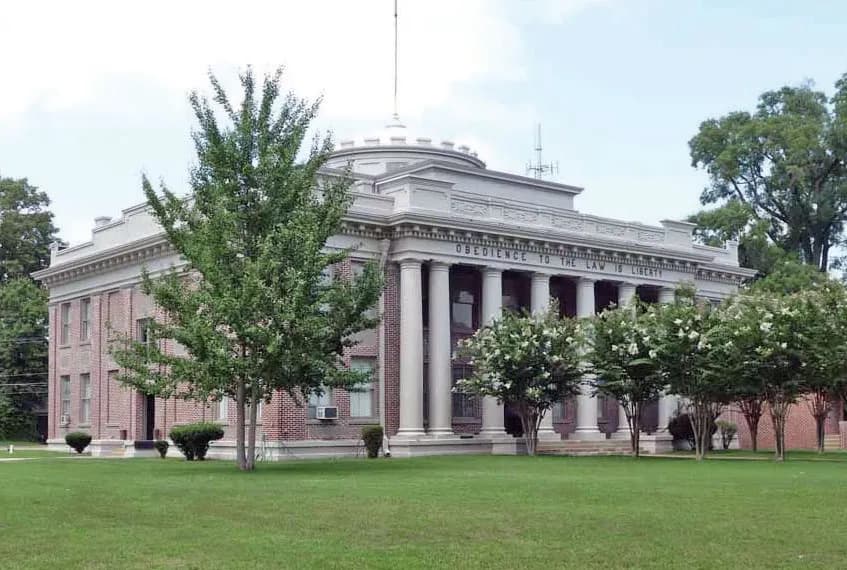
Quitman County technical violation center tied to Mississippi corrections system
Quitman County’s technical violation center sits inside Mississippi’s corrections network, handling supervision violations close to home while shaping jobs, traffic and the county’s public image.
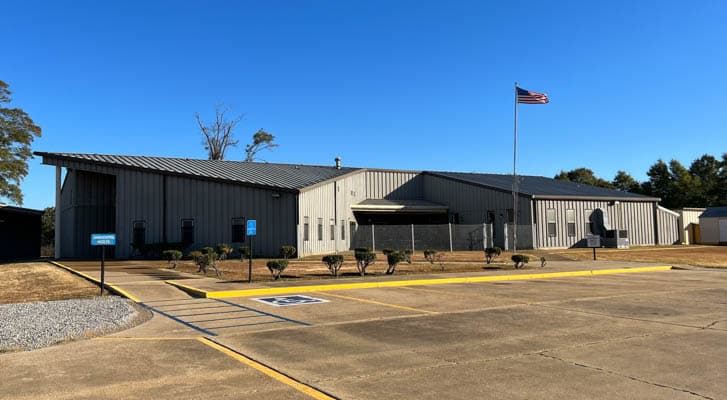
Hidden in plain sight, the Quitman County Technical Violation Center belongs to the part of state government most people only notice when a case goes wrong. Mississippi Department of Corrections uses technical violation centers for people who have broken the rules of probation, parole, or another court-ordered condition, keeping those cases in a controlled setting instead of sending every violation through the same prison pipeline.
That role makes the facility more than a line on a state map. It links Quitman County to a broader corrections system that reaches into family life, court supervision, and local public safety, while also shaping how the county is seen across Mississippi.
What the center does
Technical violation centers are designed for a narrow but important category of cases: people already under supervision who violate the terms of that supervision. In practice, that means someone may be returned to a state-controlled facility because of a technical violation rather than a new criminal conviction.
That distinction matters because these centers sit between community supervision and a more restrictive prison sentence. They give the state another option when it needs immediate accountability without sending every case into the same high-cost, high-security route.
How Mississippi built the system
Mississippi created its technical violation centers under House Bill 585, which took effect July 1, 2014. That legislative date matters because it shows the program was not an ad hoc response, but a deliberate part of the state’s correctional strategy.
By fiscal year 2018, the Mississippi Department of Corrections said the state had two technical violation centers in operation: a males-only unit at Delta Correctional Facility in Leflore County and a females-only unit at Flowood Community Work Center in Rankin County. MDOC’s facility map places Flowood Technical Violation Center at 1632 Hwy 80 West in Flowood, MS 39232, and lists the phone number as 601-936-7213.
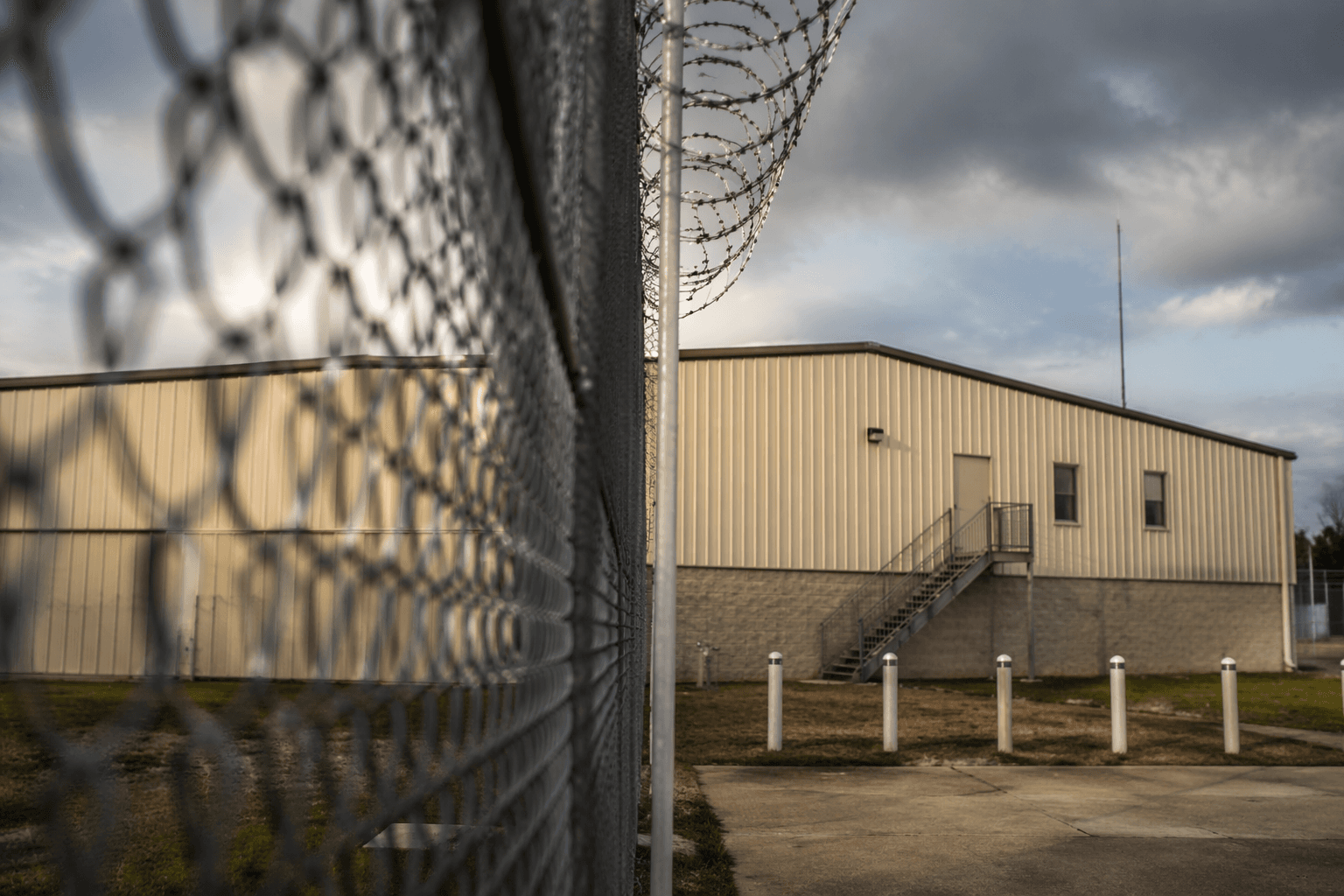
The department also ties the program to its broader correctional network. Community work centers are described as alternative facilities for inmates to finish serving their sentences, and inmates in those settings routinely perform work for cities, counties, state agencies, and charitable organizations. That structure shows how Mississippi uses correctional facilities not only for confinement, but also for labor, supervision, and reentry-related programming.
Why it matters in Quitman County
A county-level correctional facility changes the local civic footprint in ways residents can feel even when the building itself stays out of public view. It means state employees, transport needs, family visits, and coordination with local law enforcement can all become part of ordinary county life.
For Quitman County families, that can affect how long a person is away from home, how often relatives travel for visits, and how local courts and agencies handle supervision problems. It also shapes the county’s identity: Quitman is not only a place associated with schools, churches, courthouses, and local business, but also part of Mississippi’s corrections infrastructure.
That dual identity carries weight in towns like Marks, where county government and daily civic life are closely watched. The presence of a technical violation center places Quitman County on the state map in a way that is administrative, practical, and public at the same time.
Mississippi’s corrections pressures behind the policy
The technical violation center system did not emerge in a vacuum. The Urban Institute found that Mississippi’s prison population grew more than 400 percent between 1980 and 2013, and projected that it would rise by nearly 2,000 more people over the following decade at a cost of $266 million.
Those numbers help explain why state leaders looked for alternatives that could manage violations more efficiently. Mississippi’s response included consolidating parts of the technical violation system, and MDOC closed the Simpson County and Leflore County technical violation centers and the Greenwood Restitution Center when it moved toward centralizing the program.
MDOC described that shift plainly: “We believe that centralizing our Technical Violation Centers is going to remedy some of the challenges we have had with the program.” The line reflects a system trying to balance control, cost, and consistency across a correctional network that has been under strain for years.
The county’s role in reentry and workforce links
Quitman County’s place in this system is not limited to confinement. A Delta News report on Quitman inmates earning forklift certification for reentry jobs points to the way county-based correctional operations can connect directly to workforce preparation.
That kind of training matters because it turns a correctional facility into part of the county’s reentry pipeline, not just a holding point. It also shows why nearby employers, families, and local institutions pay attention to what happens inside these facilities: the consequences reach beyond discipline and into work readiness, transportation, and second chances.
What the facility means now
The Quitman County Technical Violation Center is one piece of a state system built to handle supervision failures more deliberately than the old prison-only approach. It sits inside a larger Mississippi effort to manage offenders, reduce pressure on the prison population, and use correctional space differently when violations do not call for the most severe response.
For Quitman County, that makes the center part of the county’s everyday public footprint, even if many residents never pass through its gates. It influences how the county is staffed, how it is moved through by state agencies, and how it is understood in the broader Mississippi corrections landscape.
This article was produced by Prism’s automated news system from verified source data, official records, and press releases, then run through automated quality and moderation checks before publishing. The system is built and supervised by the people who set the standards it runs under. Read our full AI policy.
Did this article answer your question?