Severe storms threaten Quitman County days after Mississippi tornado outbreak
Giant hail and destructive winds threatened Quitman County as Mississippi was still cleaning up from the May 6 tornado outbreak. Residents were urged to stay warning-ready and secure property fast.
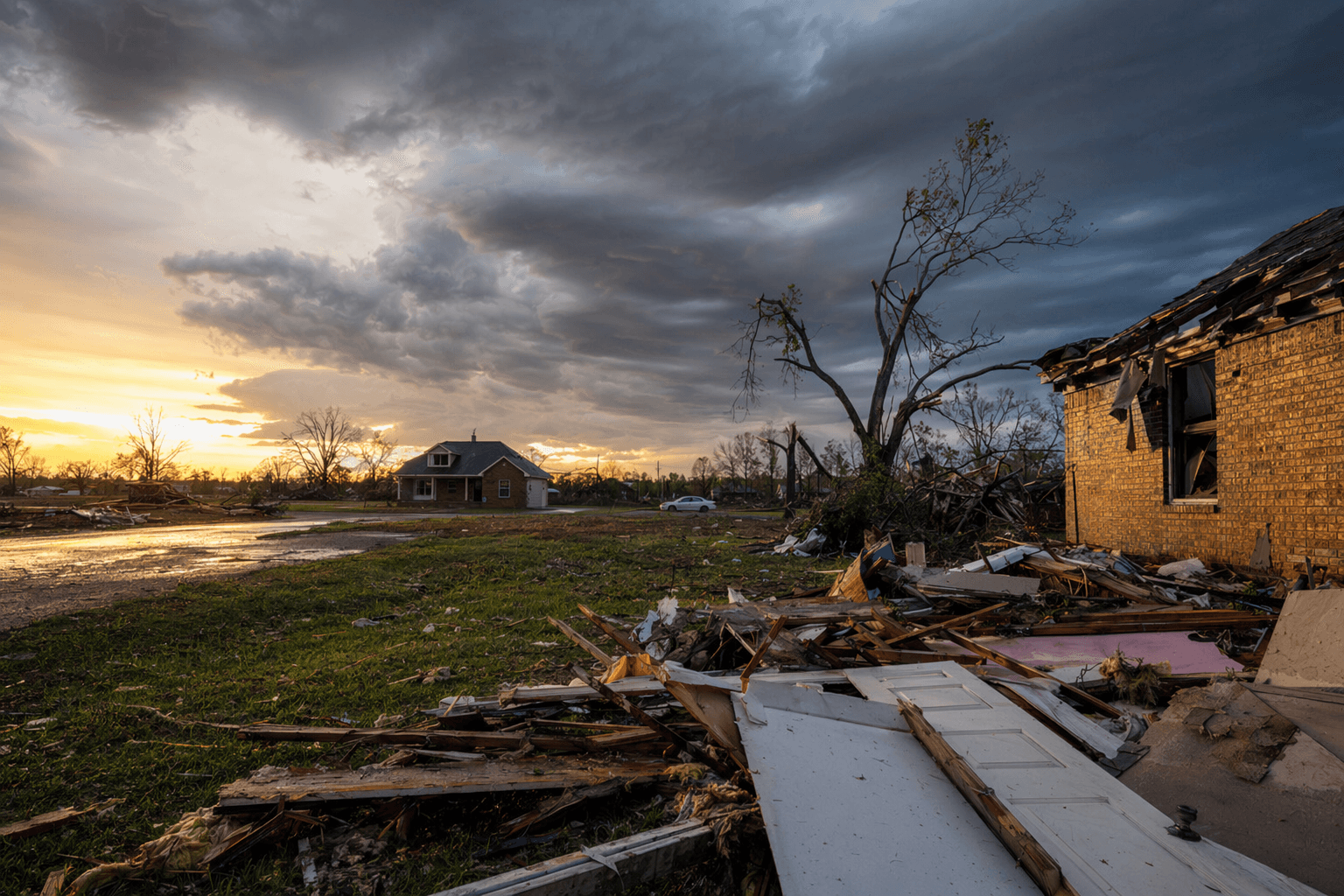
Quitman County faced another severe-weather threat just days after Mississippi’s May 6 tornado outbreak, with giant hail and destructive winds moving across the southern Plains and Lower Mississippi Valley on Mother’s Day. That left families juggling cleanup from the first round of storms while another damaging system rolled in, raising the risk of more power outages, blocked roads and fresh property damage.
The immediate concern in Quitman County was practical: another burst of wind or hail could rip at blue tarps, scatter debris piles, damage temporary repairs and bring down more limbs and trees. For households already dealing with storm damage, that meant moving vehicles to shelter, securing loose outdoor items and being ready to stop travel or pause cleanup the moment warnings were issued.
The National Weather Service in Jackson says Mississippi’s peak tornado season historically runs from March through May, and its severe-weather preparedness materials are shared with the Mississippi Emergency Management Agency. The agency’s warning also carries a simple point: watches and warnings do little good if residents do not receive them or know what to do when they arrive. In a rural county where power, communications and access roads can all be affected at once, that message matters.
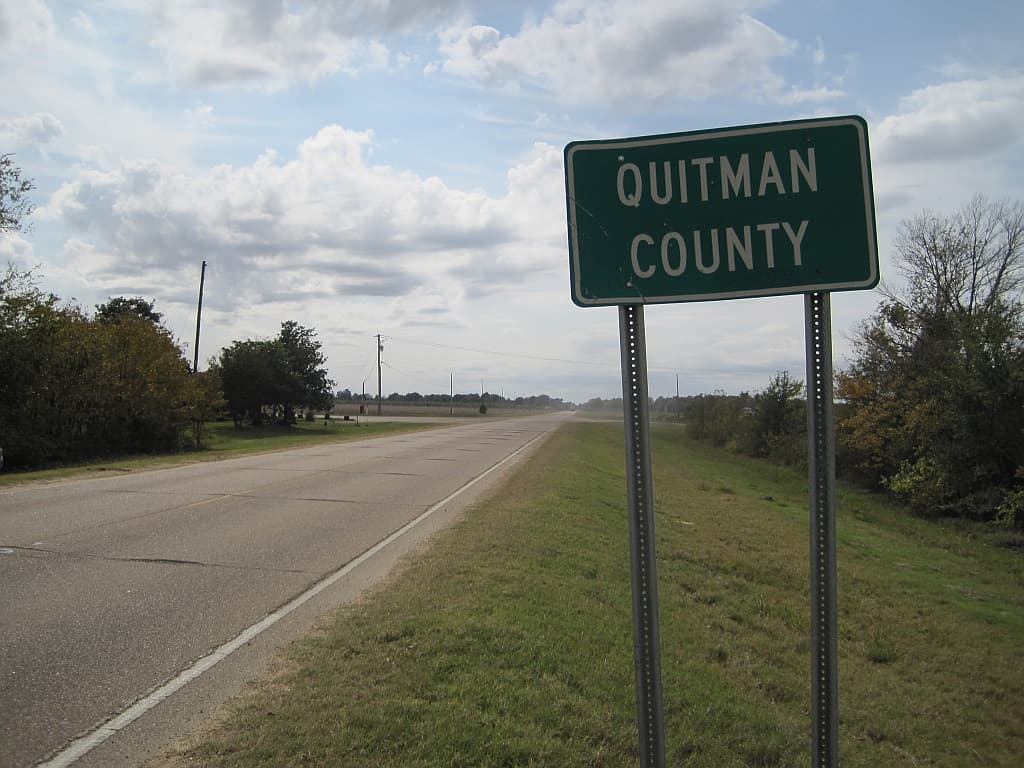
Jackson forecasters have long documented how active spring can become. Their 2021 tornado summary counted 76 tornadoes statewide, including 27 in May alone, the highest May total since 1950. The same weather history pages also point to the 2011 outbreak, which killed 23 people in Mississippi, and the 2014 outbreak, when 23 tornadoes struck the state. Those numbers underscore how quickly spring storms can turn violent in Mississippi.
For Quitman County, the risk window was not just about hail and wind. It was about the compounding effect of back-to-back storm events, when cleanup crews, utility workers and families all face greater danger from damaged trees, weakened structures and unstable debris. With severe weather still active across the region, residents needed to stay alert, keep devices charged and be ready to shelter fast if another line of storms developed.
This article was produced by Prism’s automated news system from verified source data, official records, and press releases, then run through automated quality and moderation checks before publishing. The system is built and supervised by the people who set the standards it runs under. Read our full AI policy.
Did this article answer your question?