Velma J. Wilson helped turn Quitman County history into development
Velma J. Wilson linked Quitman County’s history to its future by preserving schools, marking civil rights sites, and building the tourism base Marks still uses today.
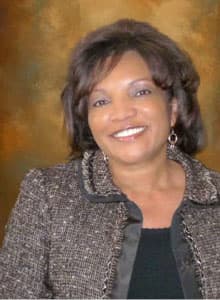
Velma J. Wilson helped give Quitman County a practical way to teach its own history. In Marks, that work shows up in the preserved Rosenwald School, the Civil Rights Mule Train Freedom Marker, the Mule Train Trail markers, the annual Mules & Blues Festival, and the Amtrak stop that opened on May 4, 2018. Together, those projects turned heritage into something children can learn from, families can point to, and visitors can actually follow.
A local identity story before it is a development story
Wilson’s influence starts with where she came from. A native of Marks, she became the county’s first Quitman County Economic & Tourism Director, a position created to help establish a visitors’ welcome center and draw more business and industry into the area. She also made history as Quitman County’s first African American and first female County Administrator, a role that placed her at the center of budgeting, marketing strategy, operational work, property management, and grant-seeking for local, state, and federal resources.
That mix of responsibilities matters because it shows how Quitman County has tried to build around what it already has. Wilson was not only promoting tourism in the narrow sense. She was helping define what the county should preserve, what it should explain to outsiders, and what local children should be able to see as part of their own community story.
Preserving the places that shape what students learn
One of the clearest examples is the stabilization of Marks’ Rosenwald School. The building stands as more than a historical site. It is a direct link to Black education in the Delta, and its preservation gives Quitman County a place where schoolchildren, families, and visitors can connect the county’s past to the institutions that shaped it.
The county says more than $3 million in local, regional, state, and federal funding was obtained during Wilson’s six-year tenure with the Board. That money supported the Rosenwald School work along with several other heritage projects, showing that preservation in Quitman County was not treated as an abstract cultural goal. It was built into the county’s public spending priorities and grant strategy.
Turning civil rights memory into a visible trail
Wilson’s work also helped make the 1968 Marks Mule Train impossible to ignore. The county installed a Civil Rights Mule Train Freedom Marker and eleven markers for the Mule Train Trail, which interprets the 1968 Marks Mule Train and Martin Luther King Jr.’s Poor People’s Campaign to Washington, D.C. Those markers do more than identify a place. They organize a local story into something people can walk, read, and teach from.
That is important in a county where heritage tourism depends on clear, recognizable landmarks. A trail with eleven markers gives residents and visitors a route through the county’s civil rights history, while the Freedom Marker places that history in public view. For local schools, those sites create a built-in classroom tied to Quitman County itself rather than to a distant textbook example.
How festivals build civic pride and visitor traffic
Wilson also founded the annual Quitman County Mules & Blues Festival, another piece of the county’s identity that works on two levels at once. It gives local residents a recurring event centered on county heritage, and it gives outside visitors a reason to come to Marks and stay long enough to spend money in the community.
In a county with a limited economic base, that kind of event does more than entertain. It reinforces the idea that Quitman County’s culture is worth preserving and presenting. Festivals can carry local history into the present in a way that feels less like a lecture and more like a shared gathering, which is part of why they often become anchors for tourism in small towns.
Passenger rail as access, not just symbolism
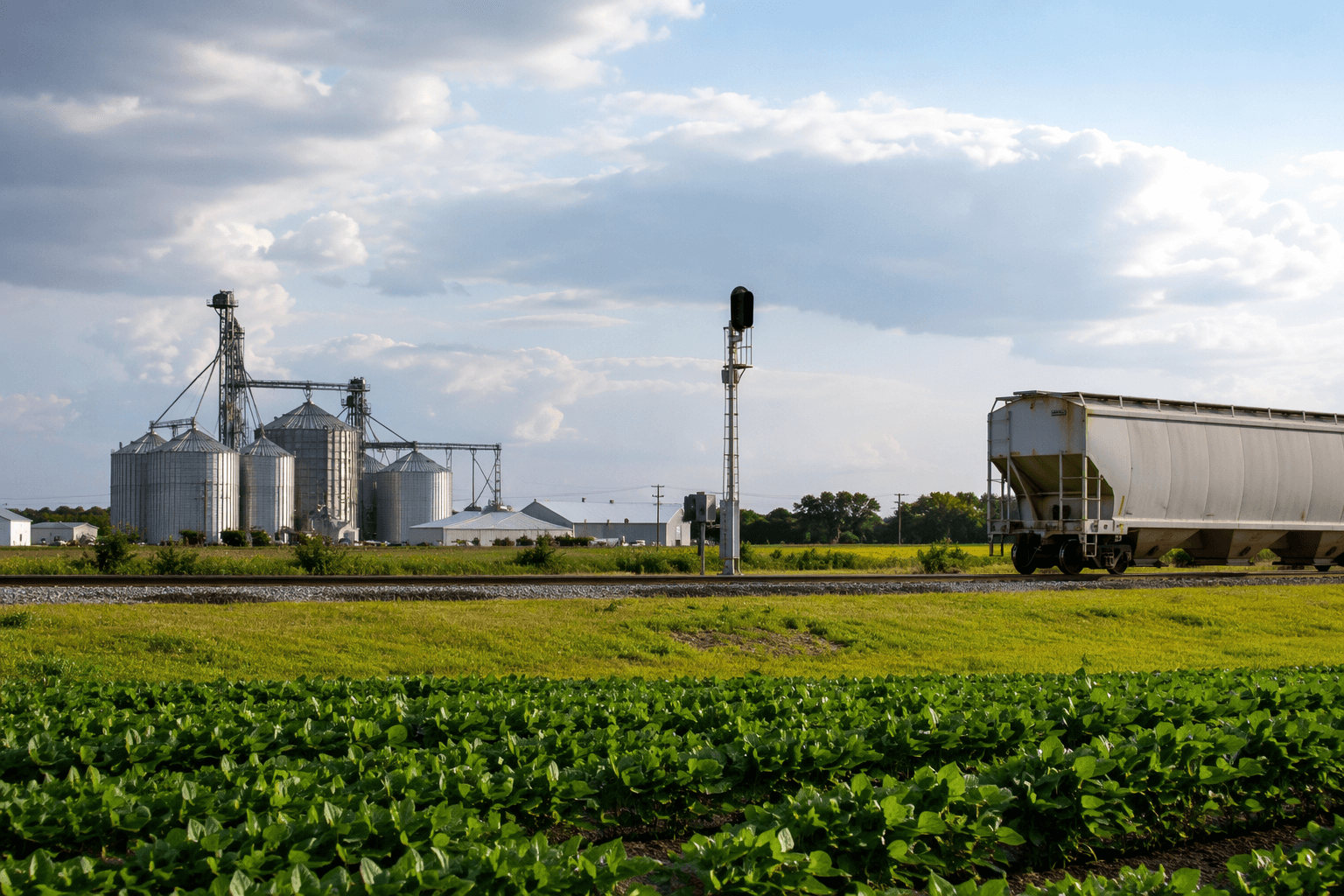
Wilson’s work also reached into transportation. She helped build the Amtrak stop that opened on May 4, 2018, giving Quitman County a visible connection to regional travel and a practical boost for visitors and residents alike. In a rural Delta county, access matters. A passenger rail stop can make a place easier to reach, easier to market, and easier to imagine as part of a broader travel pattern instead of a dead-end on the map.
That stop fits the same pattern as the county’s historical markers and festival. Each project helps outsiders find Quitman County, but each also helps residents see a future built around assets already rooted in the county’s history. The welcome-center idea behind Wilson’s tourism post belonged to the same strategy: make the county easier to enter, understand, and support.
The broader civic background behind the work
Wilson’s resume helps explain why this approach held together. Her background spans education, social services, corporate business, public relations, and marketing, a combination that fits the work of linking preservation to development. She later served as an officer on the Delta Council, extending her influence beyond Quitman County into regional civic leadership.
That broader experience matters because the county’s history projects were never only about nostalgia. They were tied to grant writing, operational management, and long-range planning. Wilson’s career helped translate local heritage into projects that could be funded, maintained, and explained to the public.
For Quitman County, the result is a civic map drawn from its own past: a Rosenwald School that preserves educational memory, a Mule Train Trail that marks civil rights history, a festival that keeps the story visible each year, and a rail stop that makes the county easier to reach. Wilson’s legacy is that those pieces now work together as part of how Marks presents itself to its own children and to everyone coming in from outside.
This article was produced by Prism’s automated news system from verified source data, official records, and press releases, then run through automated quality and moderation checks before publishing. The system is built and supervised by the people who set the standards it runs under. Read our full AI policy.
Did this article answer your question?