How Rockwall protects its historic downtown courthouse and landmarks
Rockwall's courthouse is protected by city review rules, a 2015 local landmark vote, and state records that shape what can change on the square.
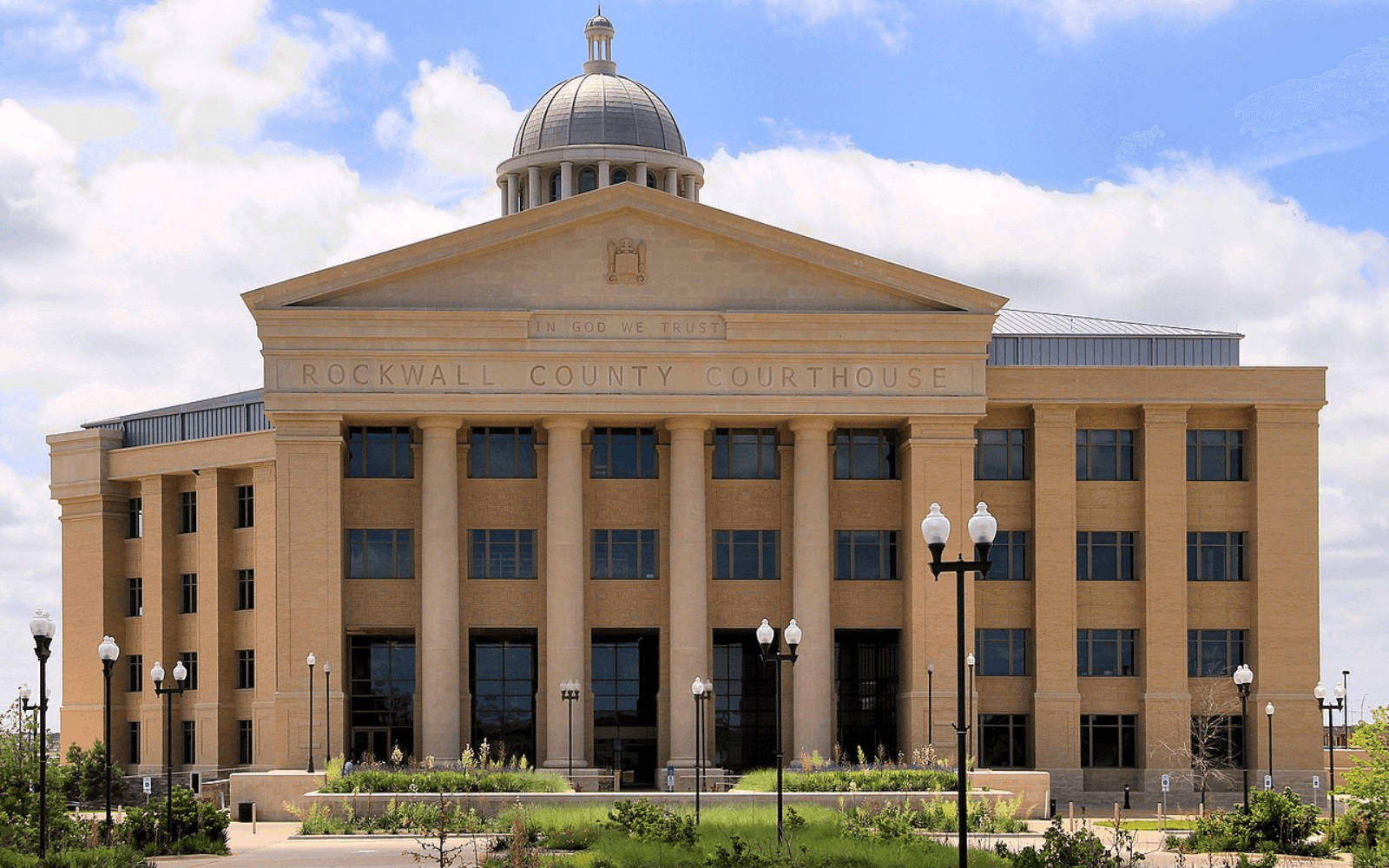
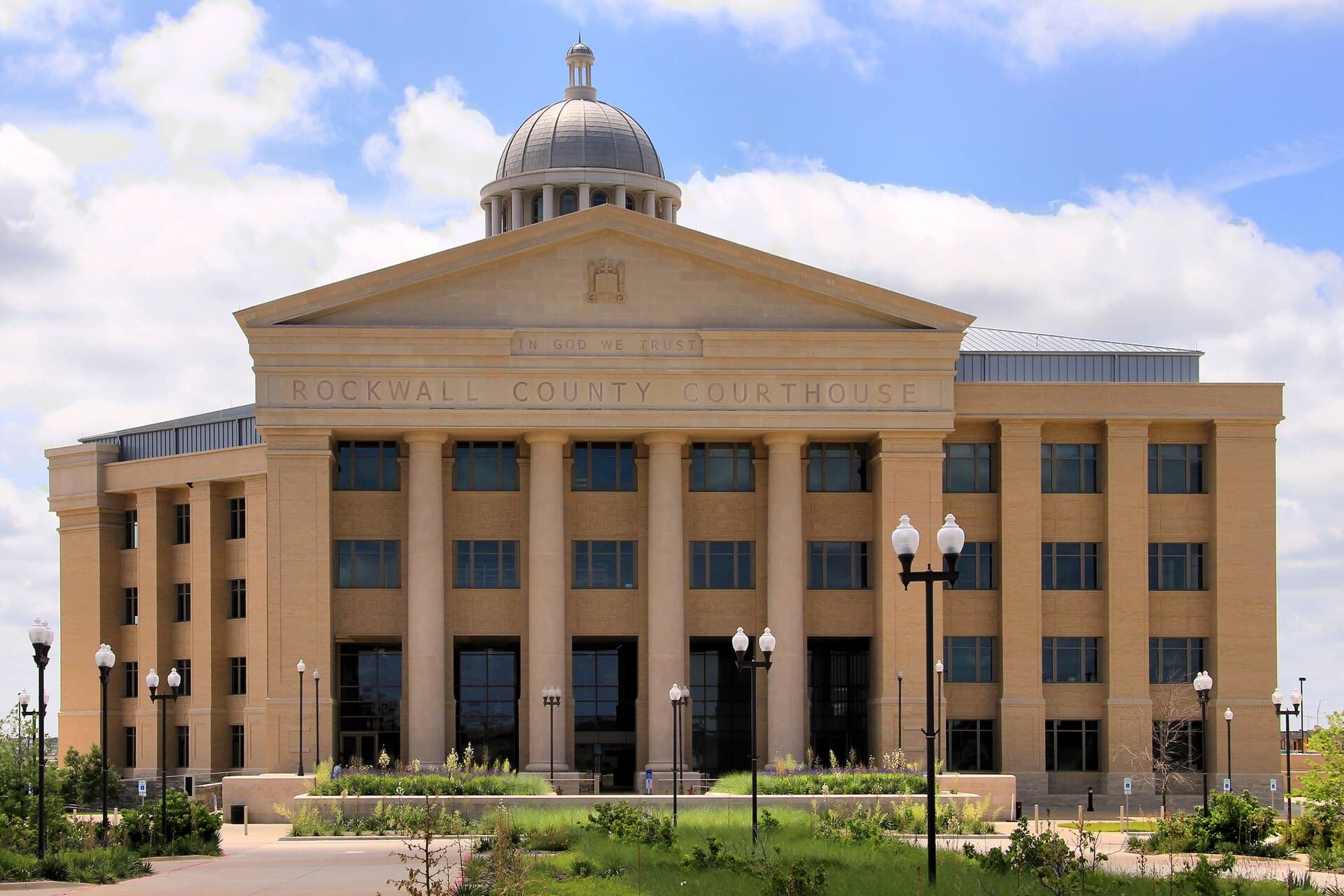
The Rockwall County Courthouse at 101 E. Rusk Street is still an active courthouse, but it is also the building that shows how downtown preservation actually works in Rockwall. The city has turned protection of the square into a formal process, with overlay rules, design review, and a public landmark vote that affects what can be altered, restored, or added around one of the county’s most visible buildings.
A courthouse that still works as government
The courthouse now standing on the square was constructed in 1940 and remains in active use, according to the Texas Historical Commission Atlas. The atlas lists Voelcker & Dixon as the architect and identifies the county as the owner, which matters because the building is not frozen in time as a museum piece. It is a working public building that also carries preservation obligations.
Texas County Progress describes the courthouse as a WPA project built around 1940 to replace the 1893 courthouse, with a cost of less than $95,000. That detail helps explain why the building occupies such a prominent place in Rockwall’s civic memory: it was designed not only as infrastructure, but as a symbol of a county seat rebuilding its public face.
How Rockwall turns preservation into policy
Rockwall’s preservation system is written into city planning documents rather than left to informal custom. The City of Rockwall Historical Preservation Handbook includes a dedicated chapter on the Rockwall County Court House, along with chapters on historic district designation, architectural styles, and the National Register of Historic Places and Preservation Act. The table of contents alone shows that preservation is treated as a planning function with rules, not as a sentimental side project.
That framework continues in the Unified Development Code, where the city’s Historic Overlay district rules govern landmark designation and preservation review. In practice, that means historic properties on or near the square are evaluated through documented districts, design guidelines, and formal review procedures. For downtown property owners, those rules define the limits of what can be changed and the standards a proposal must meet before work is approved.
The 2015 landmark vote that set the record
The city made that process concrete on Feb. 19, 2015, when the Historic Preservation Advisory Board held a public hearing on a city-initiated request to designate the Historic Downtown Courthouse as a local landmark. The landmark memo identified the site as a 0.918-acre parcel in the Rockwall O T Addition, which anchors the building in the legal and platting history of the square.
The board approved the motion by a 4-0 vote, and the signed minutes were approved later on April 16, 2015. That sequence matters because it shows how landmark status is not just a label attached after the fact. It is a documented decision that can shape future maintenance, exterior changes, and restoration choices on the courthouse parcel.
Why the courthouse affects the square today
Downtown Rockwall is not only a collection of storefronts. DowntownTX describes the city as a Main Street City since 2009 and says downtown is the cultural heart of the community. That makes the courthouse more than a backdrop. It is the visual center around which shops, festivals, civic activity, and everyday foot traffic cluster on the Rockwall downtown square.
For residents and business owners, the practical effect of preservation is that the courthouse helps define the character of surrounding blocks. A protected landmark influences what nearby properties can build, how they renovate, and how much emphasis they place on scale, materials, and compatibility with the square. That can shape long-term property values as well as the kind of downtown reinvestment Rockwall attracts.
A building tied to Rockwall’s older story
The courthouse also connects the city to older layers of local history. Rockwall County planning materials note that the original 1893 courthouse cost approximately $25,000, a reminder of how much the county invested in a public seat even before the 1940 replacement. The newer courthouse is linked to that earlier structure, not by sentiment alone, but by a clear line of public building history.
The Rockwall County Historical Foundation adds another layer by noting that segments of the rock wall formation are displayed not only on museum grounds but also at the Rockwall County Historic Courthouse. That physical connection ties the courthouse to the city’s name and origin story, making the building part of the local landscape in more than one sense.
What preservation means for Rockwall now
Taken together, the city handbook, the Historic Overlay rules, the 2015 landmark designation, and the state’s courthouse record show how Rockwall protects its downtown core through procedure. The courthouse is still functioning county property, but it is also a local landmark with a public record that guides future decisions.
That is why the building matters beyond its age. It stands at the point where Rockwall’s civic identity, downtown economy, and preservation standards meet, and the rules around it will continue to shape what the square looks like for the next generation.
This article was produced by Prism’s automated news system from verified source data, official records, and press releases, then run through automated quality and moderation checks before publishing. The system is built and supervised by the people who set the standards it runs under. Read our full AI policy.
Did this article answer your question?