Rockwall airport plan aims to support growth and business travel
Rockwall’s airport is being planned as a growth tool, with runway, road and hangar changes aimed at business travel, land use and the city’s long-term tax base.
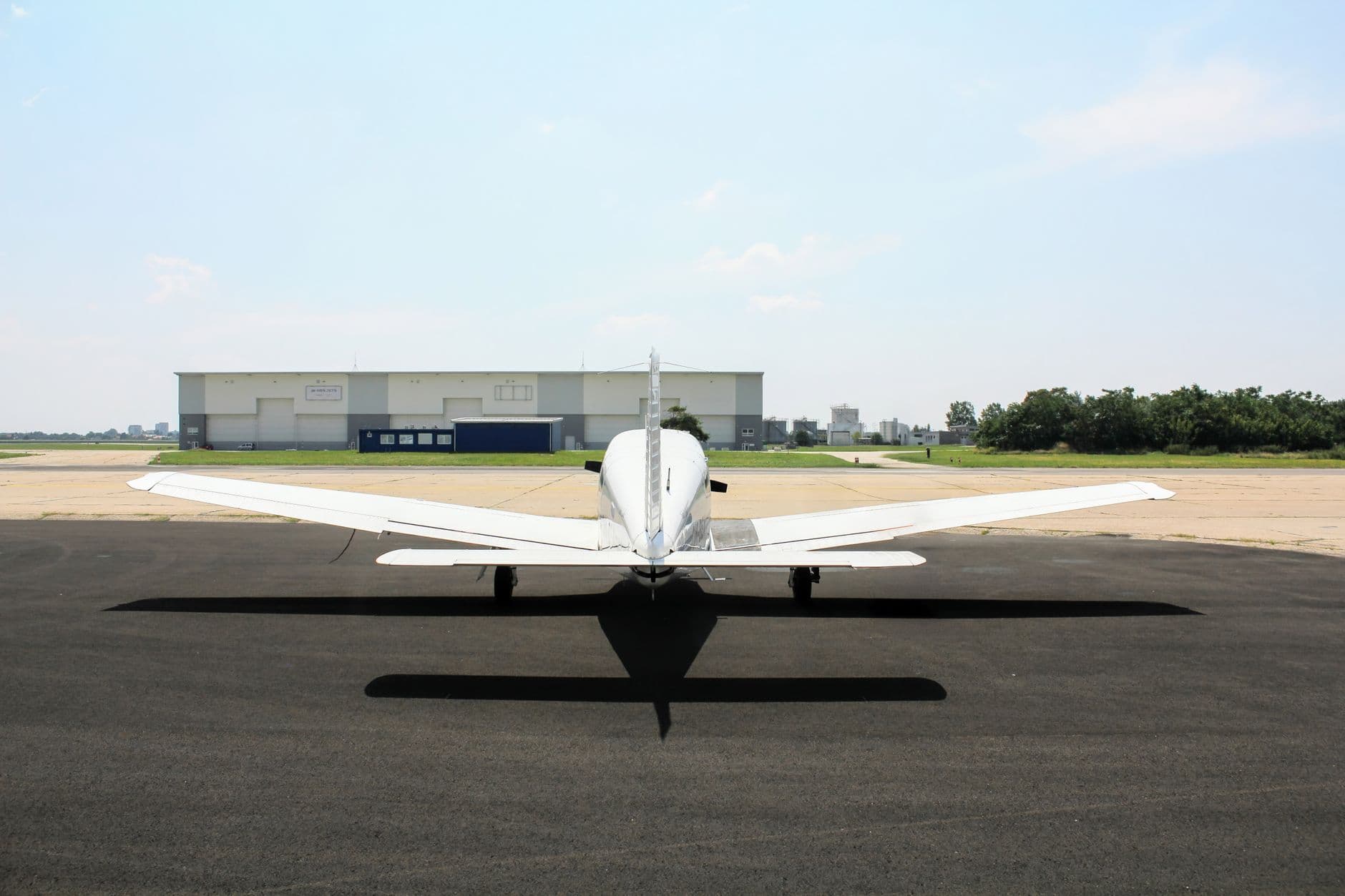
The city-owned field at 1701 Airport Road sits about two nautical miles east of Rockwall’s central business district and is at the center of a plan to support business travel, shape nearby development and give Rockwall a stronger aviation foothold as the city grows east of Lake Ray Hubbard.
A city-owned field with a civic name
Ralph M. Hall / Rockwall Municipal Airport uses FAA identifier F46 and serves as Rockwall’s public aviation gateway. The name honors Congressman Ralph M. Hall, who represented Texas’ 4th Congressional District from 1980 until 2014 and was born and raised in Rockwall County. The airport’s activation date is listed as November 1, 1962, putting the site in service for more than six decades.
The airport’s primary use is general aviation, placing it among smaller public-use fields that serve local aircraft owners, resident pilots and business aircraft rather than airline traffic. The field sits close enough to the city’s core to be practical for local users, but far enough east to remain a development site with room for future planning.
Why Rockwall sees an airport as a growth tool
Rockwall’s mission statement for the airport sets two goals at once: provide a safe recreational facility for resident pilots and aircraft owners, and give regional corporations and growing businesses a local transportation base with national reach. When city leaders talk about Rockwall’s economy, they are not just talking about runway pavement, they are talking about whether an executive, contractor or visitor can land locally instead of driving in from another airport.
TxDOT estimates general aviation airports in Texas support more than 48,000 jobs, $2.5 billion in payroll and $9.3 billion in total economic output. TxDOT also estimates aviation overall in Texas supports more than 778,000 jobs and $94.3 billion in total economic output. Rockwall’s airport is part of the infrastructure that can make a fast-growing city easier to reach, easier to market to employers and easier to position inside the East DFW Metroplex.

The airport brands itself as Aviation’s Portal to The East DFW Metroplex, a phrase that fits the city’s effort to frame the field as a business-access asset rather than only a local flight strip. Airport access can become part of the pitch when companies compare sites, especially those that value same-day regional travel and direct access to North Texas business centers.
What the development plan changes on the ground
The main runway is 17/35, and the existing layout is listed at 3,373 feet long and 45 feet wide. The development plan explores a larger configuration, including a 4,000-foot by 60-foot runway, a 225-foot parallel taxiway offset, realignment of Airport Road, property acquisition and added terminal, fuel and hangar capacity.
A longer runway and wider taxiway can make the airport more usable for a broader set of aircraft, while expanded hangars and fuel service affect how long pilots stay and what kind of activity the field can support. Realigning Airport Road would also directly affect circulation around the site, which means nearby property owners and drivers should expect the airport to become a more active planning issue if the city moves beyond concepts and into construction.
The development summary notes airside design issues such as taxiway widths and safety-area widths. The public planning archive includes separate north and south layout documents plus construction materials for asphalt and drainage improvements.
Rules, board decisions and funding all shape the pace
Ordinance No. 17-47 established rules and regulations for airport operations and set a fine of up to $200 per offense. It also limits permanent commercial activity unless it is approved by the city manager or a designee.
The Airport Advisory Board’s 2018 minutes show the board completed strategic goals for 2017, including recommendations to the City Council on airport rules and regulations and selection of a new fixed-base operator, or FBO. The 2018 agenda shows the board discussing whether airport improvements could qualify for funding under the 2018 Consolidated Appropriations Act.
The development plan sets the sponsor’s share for grant matches on major FAA or TxDOT projects at 10 percent and estimates local investment in airport capital improvements since 1970 at about $160,173.
What nearby landowners and drivers should expect
The most immediate impact is likely to fall on the east side of Rockwall, especially around Airport Road and the land that could be needed for runway, taxiway or access-road changes. If the city pursues a larger runway and more hangar space, that can increase traffic to and from the airport, add pressure for better road circulation and raise interest in nearby parcels that might support aviation-related uses.
Resident pilots and aircraft owners gain a better local field. Regional companies gain a place to bring in travelers without sending them through a larger airport farther away. The city gains a development tool that can help recruit employers and, over time, support a broader tax base through more airport-related investment, more improved property and more activity around the field.
This article was produced by Prism’s automated news system from verified source data, official records, and press releases, then run through automated quality and moderation checks before publishing. The system is built and supervised by the people who set the standards it runs under. Read our full AI policy.
Did this article answer your question?